Bukit Aksara Sentra Balok
Summary
TLDRThis video emphasizes the importance of playing with unit blocks in early childhood development. It showcases how blocks of various shapes and sizes can help children improve their motor skills, cognitive abilities, and social skills. The video also highlights the creative and educational benefits of block play, such as fostering teamwork, language development, and problem-solving. Furthermore, research by Pamela PS from Florida is cited, demonstrating that playing with blocks can increase a child's IQ by 20 points. Overall, it encourages parents and educators to give children ample opportunities to learn through play.
Takeaways
- 😀 Playing with blocks helps optimize both large and small muscle development in children.
- 😀 Block play encourages physical activities such as walking, picking up, returning, climbing, and standing.
- 😀 When stacking blocks, children develop fine motor skills and practice attention to detail.
- 😀 Block play fosters social skills by teaching children how to work together, respect others' ideas, and collaborate.
- 😀 Verbal communication is enhanced as children express their ideas and listen to others while playing.
- 😀 Children acquire new vocabulary related to the theme of their play, expanding their language skills.
- 😀 Cognitive abilities are stimulated as children plan and construct various structures with blocks.
- 😀 Playing with blocks can significantly improve a child’s IQ by up to 20 points, according to research by Pamela PS.
- 😀 Giving children the opportunity to play with blocks at home helps them learn through hands-on activities.
- 😀 Blocks come in various shapes and sizes, and it’s important to organize them in a way that helps children recognize and identify them.
- 😀 It is beneficial to display pictures and names of block shapes on the wall to help children identify the blocks' locations easily.
Q & A
What is the purpose of the unit blocks mentioned in the transcript?
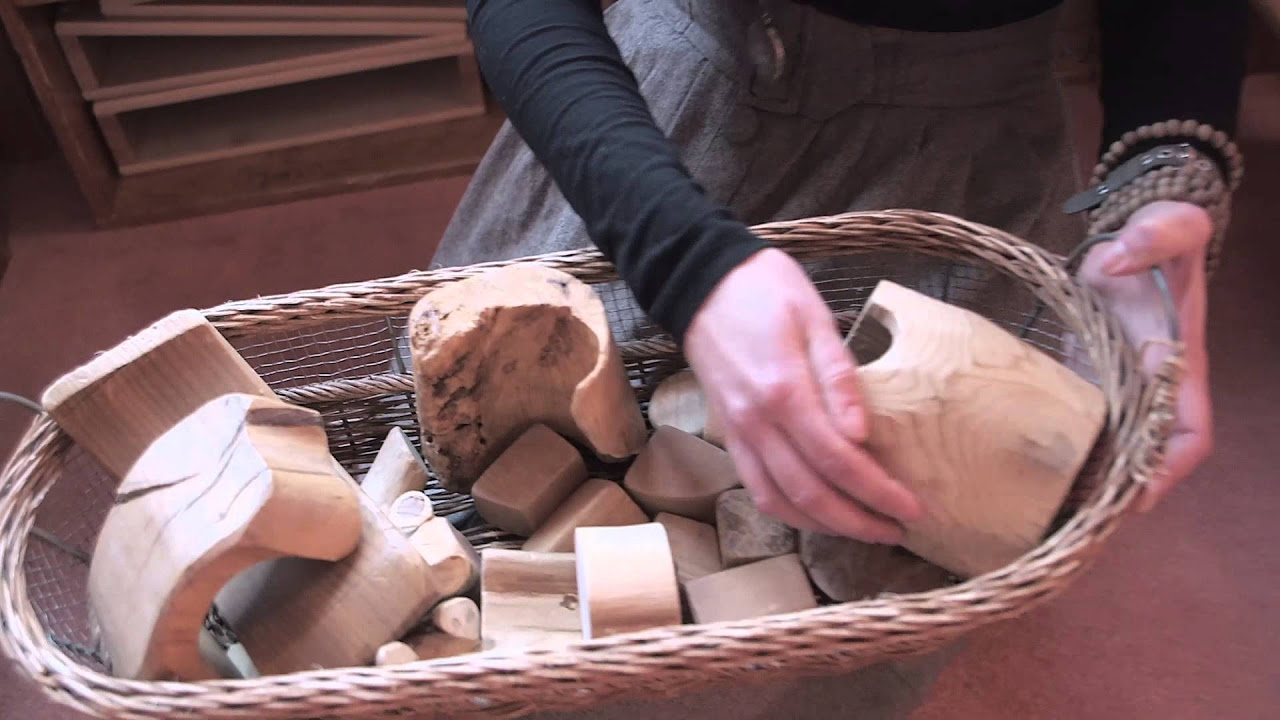
-The unit blocks are designed to follow international standards and come in various shapes and sizes. They are placed on open shelves so that children can easily reach and interact with them, helping with recognition and learning.
How should the blocks be arranged for optimal use by children?
-The blocks should be arranged by shape and size, with the rough surface facing the child. Additionally, a picture and the name of each shape should be placed on the shelf to make it easier for children to recognize the blocks' locations.
Why is it important to teach children about oxygen and water safety?
-Teaching children about oxygen and water safety is crucial because, as the transcript explains, jumping into deep water without the right equipment, such as an oxygen storage tool, can make it difficult to breathe. This helps children understand the importance of safety while swimming or diving.
What are the benefits of using unit blocks for children’s development?
-Unit blocks help optimize various aspects of a child's development, including large and small muscle development through physical activities like walking, picking up, and stacking blocks. They also encourage cognitive skills, prosocial skills, language development, and teamwork.
How does playing with blocks help children’s social and cognitive skills?
-Playing with blocks allows children to develop prosocial skills, such as cooperation, respecting others’ opinions, and working together. It also stimulates cognitive abilities as children plan and construct buildings, fostering problem-solving and critical thinking.
What role does language development play in block play?
-Children use verbal language to express their ideas and listen to others’ opinions during block play. This interaction helps them develop new vocabulary, particularly related to the game, and improve their communication skills.
What is the significance of the roof and door in the building play described in the script?
-In the building play, the roof and door are critical elements that complete the structure of the building. The children noticed the absence of a roof, which highlights the importance of functional design in their play. The doors are also important for the building’s realism and interaction.
How do children use the blocks to explore physical concepts?
-Children engage in physical activities, such as balancing and stacking blocks, which allows them to explore concepts like weight distribution, balance, and spatial awareness. These activities contribute to their understanding of physical principles through hands-on learning.
What did the researcher Pamela PS discover about the impact of block play on children's intelligence?
-Pamela PS, a researcher in early childhood education, found that playing with blocks can increase a child's IQ by 20 points. This underscores the cognitive benefits of block play, highlighting its importance for intellectual development.
What is the importance of providing children with opportunities to play with blocks at home?
-Providing children with the opportunity to play with blocks at home is essential for their development. It supports their physical, social, language, and cognitive growth, while also stimulating creativity and problem-solving skills.
Outlines

此内容仅限付费用户访问。 请升级后访问。
立即升级Mindmap

此内容仅限付费用户访问。 请升级后访问。
立即升级Keywords

此内容仅限付费用户访问。 请升级后访问。
立即升级Highlights

此内容仅限付费用户访问。 请升级后访问。
立即升级Transcripts

此内容仅限付费用户访问。 请升级后访问。
立即升级




5.0 / 5 (0 votes)

