Why Some People Don’t Know They’re Falling Apart: The Autism Spectrum.
Summary
TLDRThis Clinical Breakdown episode explores interoception—the brain's ability to sense internal bodily signals—through Sophie's story, a 32-year-old autistic woman. Sophie struggles with hunger, fatigue, bathroom urges, and emotional cues, often realizing them only after their effects hit. The video explains how differences in interoception can affect autistic people, linking it to alexithymia and illustrating how unreliable internal signals shape everyday experiences. By highlighting the disconnect between body and mind, the episode sheds light on why some individuals appear neglectful or overly emotional, emphasizing that these behaviors are not personality flaws but differences in how the nervous system processes internal information.
Takeaways
- 🍽️ Interoception is the body's internal sensing system, signaling hunger, thirst, fatigue, pain, and other bodily states.
- 🤯 When interoception is unreliable, a person may not feel hunger, fatigue, or the need to use the bathroom until it's too late.
- 🧠 Sophie, diagnosed autistic at 29, experiences disrupted interoception, affecting her daily self-care and well-being.
- ⚠️ Symptoms of interoceptive differences can include delayed awareness of hunger, urinary urgency, exhaustion, and unexpected emotional responses.
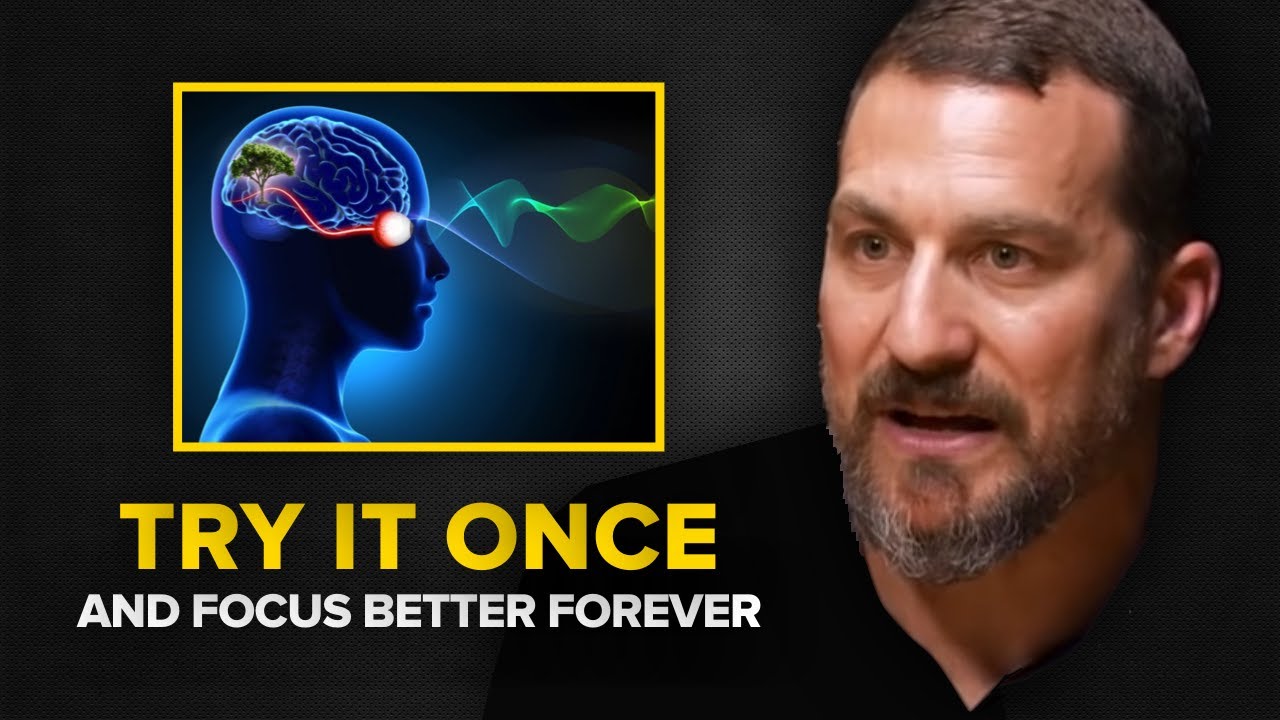
- 💡 Interoceptive signals are processed by brain regions like the insula, anterior cingulate cortex, and prefrontal cortex.
- 🔄 Autistic people may have differences in interoceptive sensibility (awareness) or accuracy (correct interpretation), leading to variable experiences.
- 😢 Emotional confusion, such as crying without understanding why, can result from interoceptive differences and may resemble alexithymia.
- 📊 Misunderstood interoceptive signals can lead to irregular eating, illness, burnout, and challenges in describing emotions accurately.
- -
- 🌐 Awareness of interoceptive differences is rare, making it hard for others to understand why someone might seem inattentive to bodily needs.
- 🧩 Recognizing interoception as a distinct sense helps explain behaviors and experiences that are often mistakenly attributed to personality or effort.
- ⏳ Many signals from the body arrive late or are misinterpreted, emphasizing the importance of patience and self-compassion for those affected.
Q & A
Who is Sophie and what is her main challenge in the video?
-Sophie is a 32-year-old autistic woman who struggles with interoception, the internal sense of bodily signals. She often doesn't feel hunger, fatigue, or emotional cues clearly, which leads to difficulties in self-care and emotional awareness.
What is interoception and why is it important?
-Interoception is the internal monitoring system of the body that translates signals from organs, muscles, and other systems into sensations like hunger, thirst, fatigue, pain, and heart rate. It is crucial because it informs our actions to maintain health and wellbeing.
How does Sophie's experience of hunger differ from most people?
-Instead of feeling early signs of hunger like a growling stomach, Sophie experiences delayed signals such as dizziness, shaking hands, and irritability. By the time she notices, she is already running on empty.
What are the four interoceptive signal failures Sophie experiences?
-Sophie experiences failures in: 1) Hunger—delayed signals; 2) Bathroom needs—difficulty sensing urges leading to infections; 3) Fatigue—gradual dimming of energy without clear warning; 4) Emotional signals—crying without knowing why, as a delayed awareness of her feelings.
How does unreliable interoception affect autistic individuals like Sophie?
-It can cause irregular eating, getting sick more easily, increased risk of burnout, difficulty identifying emotions, and appearing emotionally distant or inattentive, even though these are not due to personality or effort.
What is the connection between interoception and alexithymia mentioned in the video?
-Alexithymia, the difficulty in identifying and describing emotions, may be linked to differences in interoception. If bodily signals are unclear, it becomes harder to map and understand one’s emotions accurately.
Which brain structures are involved in processing interoception?
-Interoception is processed through a network including the insula, anterior cingulate cortex, and prefrontal cortex, which receive information from the gut, heart, lungs, bladder, and muscles and translate it into actionable sensations.
What is the difference between interoceptive sensibility and interoceptive accuracy?
-Interoceptive sensibility is the awareness that something is happening inside the body, whereas interoceptive accuracy is the ability to correctly interpret what that sensation means. Differences in either can affect the experience of internal signals.
How does Sophie's difficulty with interoception influence her emotional expression?
-Sophie may cry as a delayed first signal of her emotions, not as a reaction to a specific event. She struggles to label or act on emotional cues, which can make her appear emotionally distant or confused.
What broader lesson does the video convey about internal bodily signals?
-The video highlights that not all bodily signals are obvious or timely. People with unreliable interoception may genuinely be unaware of hunger, fatigue, or emotions. Understanding this can foster empathy and awareness that these experiences are real and impactful, even if invisible to others.
Why is it misleading to interpret Sophie's challenges as personality flaws?
-Sophie's struggles with hunger, fatigue, and emotions are not due to laziness, irresponsibility, or lack of self-awareness. They stem from neurological differences in interoception, demonstrating that internal signal processing varies significantly among individuals.
Outlines

This section is available to paid users only. Please upgrade to access this part.
Upgrade NowMindmap

This section is available to paid users only. Please upgrade to access this part.
Upgrade NowKeywords

This section is available to paid users only. Please upgrade to access this part.
Upgrade NowHighlights

This section is available to paid users only. Please upgrade to access this part.
Upgrade NowTranscripts

This section is available to paid users only. Please upgrade to access this part.
Upgrade Now


5.0 / 5 (0 votes)
