Bendungan Hoover | Semua Rahasia Keajaiban Teknik
Summary
TLDRThe Hoover Dam, an engineering marvel built over 80 years ago on the Colorado River, continues to serve the United States in irrigation, flood control, and electricity generation. Designed by John Savage, the dam features a curved-gravity structure that efficiently manages water pressure without steel reinforcements. Constructed from carefully cooled concrete blocks and anchored to solid bedrock, it incorporates spillways, intake towers, and internal galleries to control water flow and reduce stress. Its hydroelectric plant powers 100,000 homes, while the reservoir supports irrigation and groundwater replenishment. The dam stands as a testament to innovative engineering, meticulous planning, and the sacrifice of 96 workers who brought this colossal project to life.
Takeaways
- 😀 The Hoover Dam, built 80 years ago, still stands strong, providing irrigation, flood control, and electricity production in the United States.
- 😀 The design of the Hoover Dam focuses on a curved gravity dam that uses the natural strength of concrete under compression, rather than relying on steel reinforcement.
- 😀 The dam's curved structure helps distribute the stress from water pressure evenly, reducing the risk of failure compared to a straight concrete wall.
- 😀 The key innovation of the Hoover Dam is its gradual widening towards the base, lowering the center of gravity, which enhances its stability.
- 😀 The design of the Hoover Dam also factors in the potential for maximum flood storage capacity based on rainfall data and surrounding water catchment areas.
- 😀 The construction process was challenging, involving removing unstable rock layers and ensuring a strong connection between the dam and mountain rock.
- 😀 The dam's foundation required digging deep into the riverbed, reaching solid rock, and a temporary diversion of the river flow to ensure safe construction.
- 😀 To manage the heat generated during the massive concrete pouring process, the construction team poured concrete in smaller blocks with cooling pipes inside to regulate temperature.
- 😀 The dam's hydroelectric power generation includes 17 Francis-type vertical turbines, providing enough electricity for 100,000 people.
- 😀 Hoover Dam also plays a vital role in flood control, storing water in the reservoir and preventing potential downstream flooding during heavy rainfall.
- 😀 Hidden tunnels and galleries inside the dam manage water seepage, reducing the risk of uplift pressure at the dam's base and ensuring long-term stability.
Q & A
Why doesn’t the Hoover Dam overflow even during heavy rainfall?
-The Hoover Dam is designed with spillways located below the top of the dam. When water levels rise to a certain point, excess water is safely diverted through these spillways, preventing overflow and downstream destruction.
What was John Savage’s key innovation in dam design?
-John Savage introduced the arch-gravity dam design, which combines the strength of an arch structure with the stability of a gravity dam, allowing the structure to handle both compressive forces and maintain stability without requiring steel reinforcement.
Why is a straight concrete dam wall not ideal?
-A straight wall experiences bending due to water pressure, creating tensile stress on one side. Since concrete is weak under tension, this can lead to cracking and structural failure.
How does an arch dam improve structural performance?
-An arch dam distributes water pressure into the surrounding canyon walls, converting tensile stresses into compressive forces, which concrete can withstand much more effectively.
Why does the dam widen toward its base?
-The increasing width lowers the center of gravity and improves stability, helping the dam resist sliding and overturning forces caused by water pressure.
How did engineers determine the optimal height of the Hoover Dam?
-They analyzed maximum flood discharge data, rainfall patterns, and water demand. The chosen height balanced storage capacity, flood control, and construction cost efficiency.
Why was it necessary to divert the Colorado River during construction?
-Diverting the river allowed engineers to work on a dry riverbed, making excavation, foundation preparation, and construction possible without water interference.
What challenge does heat generation pose during concrete pouring?
-As cement reacts with water, it generates heat. If too much concrete is poured at once, the heat buildup can cause expansion and cracking, compromising structural integrity.
How did engineers solve the heat problem in the dam’s construction?
-They divided the dam into smaller blocks and embedded steel pipes that circulated cold water to dissipate heat, ensuring controlled cooling and preventing cracks.
What role do intake towers play in the dam’s operation?
-Intake towers regulate the flow of water entering the penstocks, which channel water to turbines for electricity generation.
How does the Hoover Dam generate electricity?
-Water flows through large pipes called penstocks and spins Francis turbines connected to generators, converting kinetic energy into electrical energy.
What is the purpose of the internal tunnels within the dam?
-These tunnels, called galleries, collect seepage water, reduce uplift pressure beneath the dam, and allow for inspection and maintenance.
How does seepage affect dam stability?
-Seepage creates uplift pressure beneath the dam, which can reduce its stability. Managing this pressure is critical to maintaining structural safety.
What are the main functions of the Hoover Dam?
-The dam provides irrigation water, generates hydroelectric power, controls floods, and supports groundwater recharge through its reservoir.
Why is the Hoover Dam still considered an engineering marvel?
-Its innovative design, effective construction techniques, long-term durability without major cracks, and continued functionality after decades make it a landmark achievement in civil engineering.
Outlines

This section is available to paid users only. Please upgrade to access this part.
Upgrade NowMindmap

This section is available to paid users only. Please upgrade to access this part.
Upgrade NowKeywords

This section is available to paid users only. Please upgrade to access this part.
Upgrade NowHighlights

This section is available to paid users only. Please upgrade to access this part.
Upgrade NowTranscripts

This section is available to paid users only. Please upgrade to access this part.
Upgrade NowBrowse More Related Video
HIDRAULIKA SALURAN TERBUKA – 1 – Prof. Dr. Ir. Bambang Triatmodjo, DEA

Membangun Keajaiban: Rahasia Bendungan Hoover Terungkap
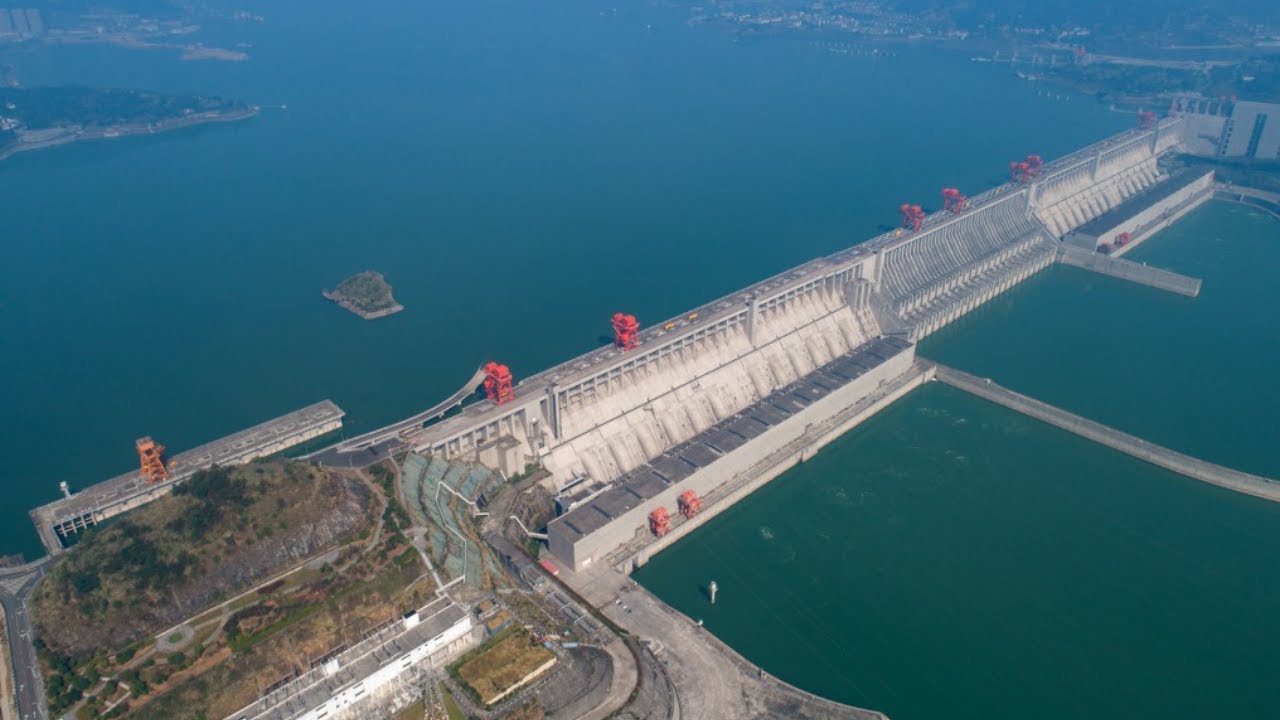
TRÊS GARGANTAS: A barragem Chinesa que desafia a Natureza
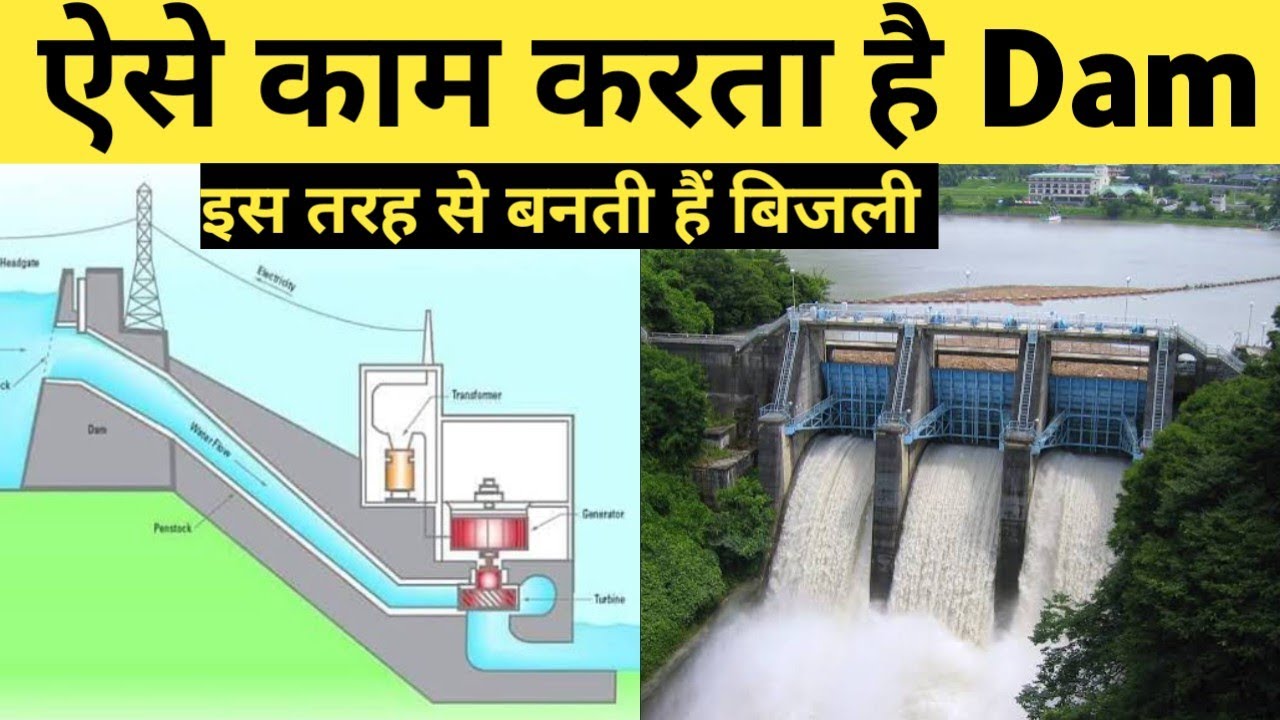
How dam works || How dam is work in Hindi || How dam produce electricity||Hydro electricity in hindi

Three Gorges Dam: This Dam affected Earth’s Rotation
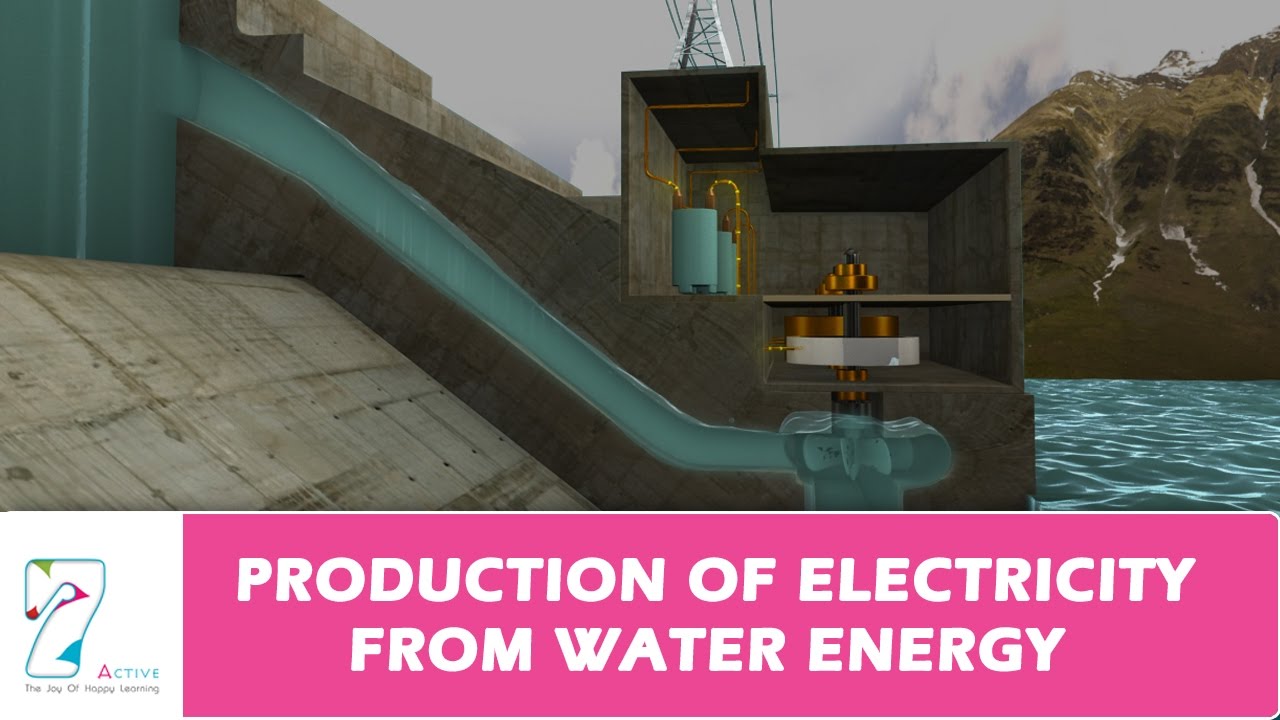
PRODUCTION OF ELECTRICITY FROM WATER ENERGY
5.0 / 5 (0 votes)
