Technique for teaching speaking and listening
Summary
TLDRThis video discusses effective methods for teaching speaking and listening skills in English. It highlights strategies such as pair/group discussions to reduce student anxiety, role-play simulations for real-life language practice, and debates or presentations to develop critical thinking. The importance of providing a supportive environment, encouraging active listening tasks, dictation, and note-taking practices is emphasized. The video also touches on using technology, feedback techniques, and real-world exposure like guest lectures or field trips to enhance learning outcomes. Teachers are encouraged to foster student confidence and offer constructive feedback to improve language proficiency.
Takeaways
- 😀 Active speaking practice is essential for building fluency and confidence in students. Pair and group discussions can help reduce anxiety and encourage more participation.
- 😀 Role play and simulations provide real-life scenarios for students to practice specific language skills, making learning more applicable to everyday situations.
- 😀 Debates and presentations are higher-order activities that improve analytical thinking, argumentation skills, and help students build confidence and clarity in speaking.
- 😀 Encouraging interactive learning environments where students are engaged and motivated is crucial for improving speaking and listening skills.
- 😀 In listening activities, using tasks like active listening with Q&A, dictation, and note-taking helps students develop a deeper understanding of the material and sharpen attention to detail.
- 😀 Providing clear examples and templates for speaking tasks can help reduce students' anxiety, allowing them to focus on content and fluency rather than grammar.
- 😀 Repetition and drills are important for reinforcing correct pronunciation and fluency in speech. Frequent practice leads to better retention and accuracy.
- 😀 Teachers should focus on speaking fluency rather than grammar accuracy, especially at the beginning stages, to help students build confidence and reduce nervousness.
- 😀 Technology, such as voice recordings and apps like Duolingo, can be used to support students' independent practice and allow for real-time feedback from teachers.
- 😀 Real-world exposure to native speakers, such as guest lectures or field trips, can greatly enhance students' speaking and listening skills by providing authentic practice opportunities.
- 😀 Creating a supportive and positive learning environment, where students feel comfortable making mistakes, encourages their growth and boosts their self-confidence in language use.
Q & A
What are the main skills focused on in this video?
-The video focuses on teaching speaking and listening skills in English.
Why are pair and group discussions recommended for students learning English?
-Pair and group discussions reduce anxiety, provide motivation, and help students build fluency, especially for foreign learners who may not practice English outside the classroom.
How does role-play or simulation help students improve their speaking skills?
-Role-play and simulations provide real-life scenarios where students practice context-specific language, such as shopping or interacting with relatives, which enhances practical speaking abilities.
What is the purpose of debates and presentations in teaching speaking?
-Debates and presentations encourage higher-order thinking, analytical skills, clarity, confidence, and critical thinking, allowing students to structure arguments and express opinions effectively.
Why should teachers focus on speaking rather than grammar during initial practice?
-Focusing on fluency rather than grammar reduces students' anxiety, boosts self-confidence, and encourages more frequent and natural practice, which is essential for developing speaking skills.
What are some effective activities for improving listening comprehension?
-Effective listening activities include active listening tasks with podcasts or news clips, dictation exercises using songs or dialogues, and note-taking practices to identify key points from audio materials.
How can technology be integrated into speaking and listening lessons?
-Technology can be used through voice recording, apps like Duolingo or Elsa, video responses, and online group feedback, allowing students to practice independently and receive both verbal and written feedback from teachers.
What is the Think-Pair-Share strategy and when is it suitable?
-Think-Pair-Share involves individual reflection, paired discussion, and sharing with the class. It is suitable for intermediate or advanced students who already have sufficient vocabulary and confidence.
What role does positive reinforcement play in language learning?
-Positive reinforcement, including praise and encouragement, builds students’ confidence, motivates them to participate, and supports progress regardless of their skill level.
Why is it important for teachers to model correct pronunciation and speech before practice?
-Modeling correct pronunciation and speech helps students understand proper articulation, reduces nervousness, and provides a reference for accurate language production during practice.
What strategies help students with different native language influences in pronunciation?
-Repetition, drill exercises, and targeted pronunciation corrections can address differences in tongue placement or sounds caused by students’ native languages, improving overall speaking clarity.
How can real-world exposure enhance speaking skills?
-Inviting native speakers, using field trips, or conducting guest lectures allows students to interact with authentic English sources, providing practical experience and motivation to speak confidently.
Outlines

This section is available to paid users only. Please upgrade to access this part.
Upgrade NowMindmap

This section is available to paid users only. Please upgrade to access this part.
Upgrade NowKeywords

This section is available to paid users only. Please upgrade to access this part.
Upgrade NowHighlights

This section is available to paid users only. Please upgrade to access this part.
Upgrade NowTranscripts

This section is available to paid users only. Please upgrade to access this part.
Upgrade NowBrowse More Related Video

Effortless English Rule 3 Listen Listen Listen
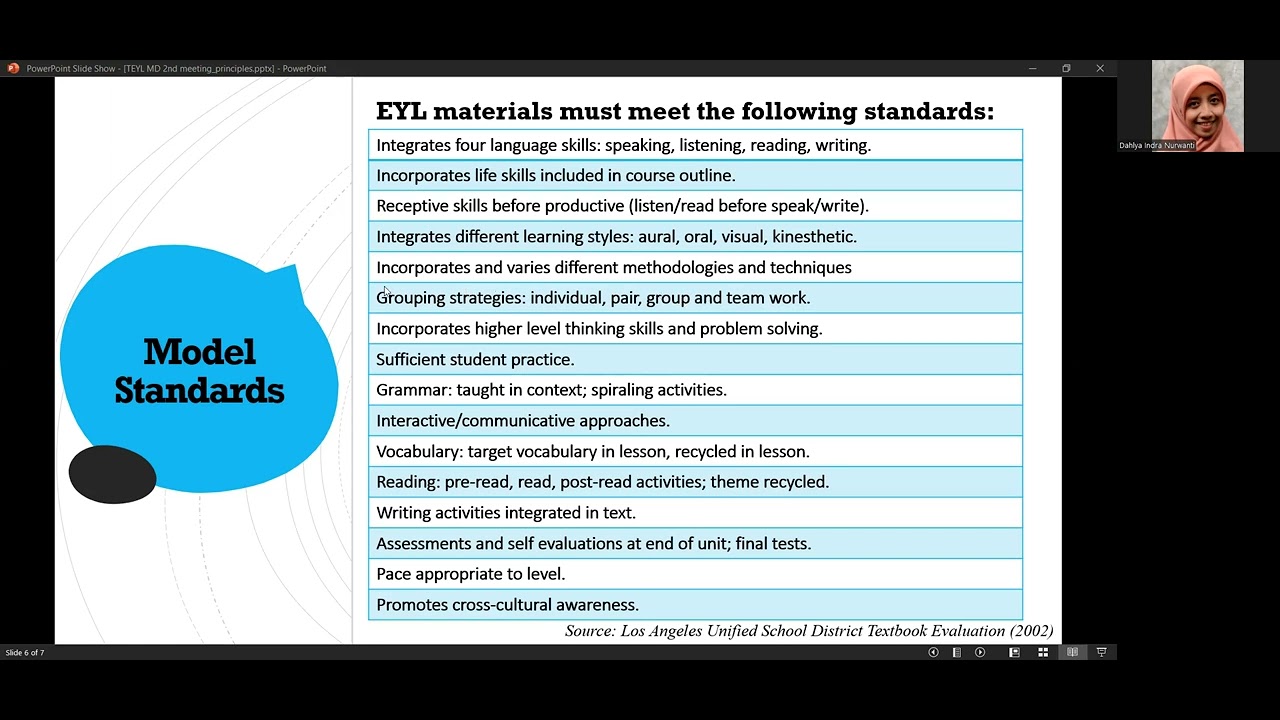
Model standards of EYL materials

Integrating the four fundamental English skills
Learn English With Podcast Conversation Episode 26 | English Podcast For Beginners #englishpodcast

How to Study English: Four Core English Skills

17 Secrets to Native English Listening Skills | American English Accent | Go Natural English
5.0 / 5 (0 votes)
