Blood Pressure Practice Sounds with Answers (Korotkoff Sounds) Nursing School Skills
Summary
TLDRIn this video, Nurse Sarah demonstrates how to manually take blood pressure readings. She explains the importance of listening for the Korotkoff sounds, which indicate the systolic and diastolic pressures, and provides tips on maintaining an accurate reading. Nurse Sarah also discusses the correct rate for deflation and common issues like the needle falling too fast or not enough. The video includes several examples and highlights key guidelines from the American Heart Association to interpret blood pressure readings correctly. It’s an essential resource for anyone learning manual blood pressure measurement.
Takeaways
- 😀 You will practice reading manual blood pressures by listening for Korotkoff sounds, the tapping sounds caused by blood flowing through an artery as the cuff deflates.
- 😀 The first tapping sound you hear is the systolic pressure, which corresponds to Phase 1 of the Korotkoff sounds.
- 😀 The last tapping sound you hear is the diastolic pressure, which corresponds to Phase 5 of the Korotkoff sounds. However, some instructors may use the last sound heard as the diastolic pressure.
- 😀 Always round to the nearest even number when stating a manual blood pressure reading, especially when the needle is between two values.
- 😀 The needle should fall at a rate of 2-3 millimeters of mercury per second to get an accurate blood pressure reading.
- 😀 If the needle falls too quickly during a blood pressure reading, it will be difficult to get an accurate result. In this case, wait 1-2 minutes before retaking the measurement.
- 😀 If the needle stalls or bounces during a reading due to slow deflation, retake the measurement after waiting 1-2 minutes for the cuff to reset.
- 😀 The American Heart Association provides the latest guidelines for adult blood pressure readings, which can help you interpret the results.
- 😀 The video stresses the importance of following your instructor’s specific guidance regarding blood pressure readings, as practices can vary between instructors.
- 😀 The video encourages practice and offers additional videos for further learning on how to take manual blood pressure readings accurately.
Q & A
What are Korotkoff sounds and why are they important in manual blood pressure readings?
-Korotkoff sounds are the tapping noises created by blood flowing through an artery as the cuff deflates. They are crucial because the first sound indicates systolic pressure and the disappearance of sound indicates diastolic pressure.
Which phase corresponds to the systolic blood pressure reading?
-Phase 1 corresponds to the systolic blood pressure reading, marked by the first appearance of the tapping Korotkoff sound.
Which phase corresponds to the diastolic blood pressure reading?
-Phase 5 corresponds to the diastolic blood pressure reading, marked by the disappearance of the tapping Korotkoff sound. Some instructors may use the last sound heard instead.
Why is it recommended to state blood pressure readings as even numbers?
-Blood pressure readings should be stated as even numbers for consistency and clarity. If the needle falls between two numbers, it should be rounded to the nearest even number.
At what rate should the cuff needle fall during a manual blood pressure reading?
-The cuff needle should fall at a rate of 2 to 3 millimeters of mercury per second to ensure an accurate reading.
What should you do if the needle falls too fast during a reading?
-If the needle falls too fast, the reading may be inaccurate. You should wait 1–2 minutes and retake the blood pressure at the proper deflation rate.
What should you do if the needle falls too slowly or stalls during a reading?
-If the needle falls too slowly or stalls, the reading may be inaccurate. Wait 1–2 minutes and retake the measurement, releasing the air at the correct speed.
Why is it important to follow your instructor’s guidance regarding diastolic pressure?
-Different instructors may have slightly different preferences, such as using the last sound heard instead of the disappearance of sound. Following their guidance ensures consistent and accepted measurements.
What is the role of the American Heart Association guidelines in interpreting blood pressure?
-The American Heart Association guidelines provide the latest recommended ranges for normal, elevated, and high blood pressure in adults, helping to accurately interpret readings.
What are some common mistakes to avoid when taking a manual blood pressure?
-Common mistakes include deflating the cuff too quickly, deflating it too slowly or inconsistently, not listening carefully for Korotkoff sounds, and recording uneven numbers instead of rounding properly.
Outlines

This section is available to paid users only. Please upgrade to access this part.
Upgrade NowMindmap

This section is available to paid users only. Please upgrade to access this part.
Upgrade NowKeywords

This section is available to paid users only. Please upgrade to access this part.
Upgrade NowHighlights

This section is available to paid users only. Please upgrade to access this part.
Upgrade NowTranscripts

This section is available to paid users only. Please upgrade to access this part.
Upgrade NowBrowse More Related Video
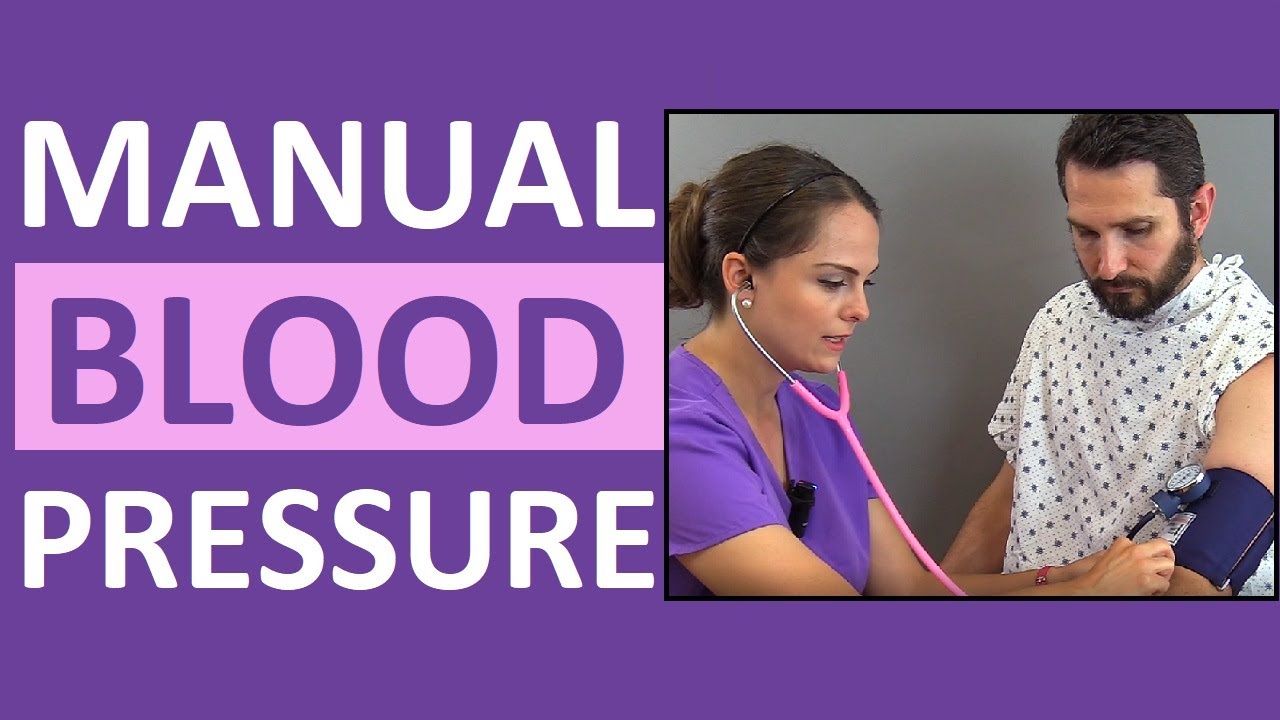
Blood Pressure Measurement: How to Check Blood Pressure Manually

How to Take a Blood Pressure Measurement (Systolic and Diastolic Sounds) Nursing Clinical Skill

Vital Signs Nursing: Respiratory Rate, Pulse, Blood Pressure, Temperature, Pain, Oxygen

How to Check Vital Signs | Checking Vitals Nursing Assessment

VITAL SIGNS
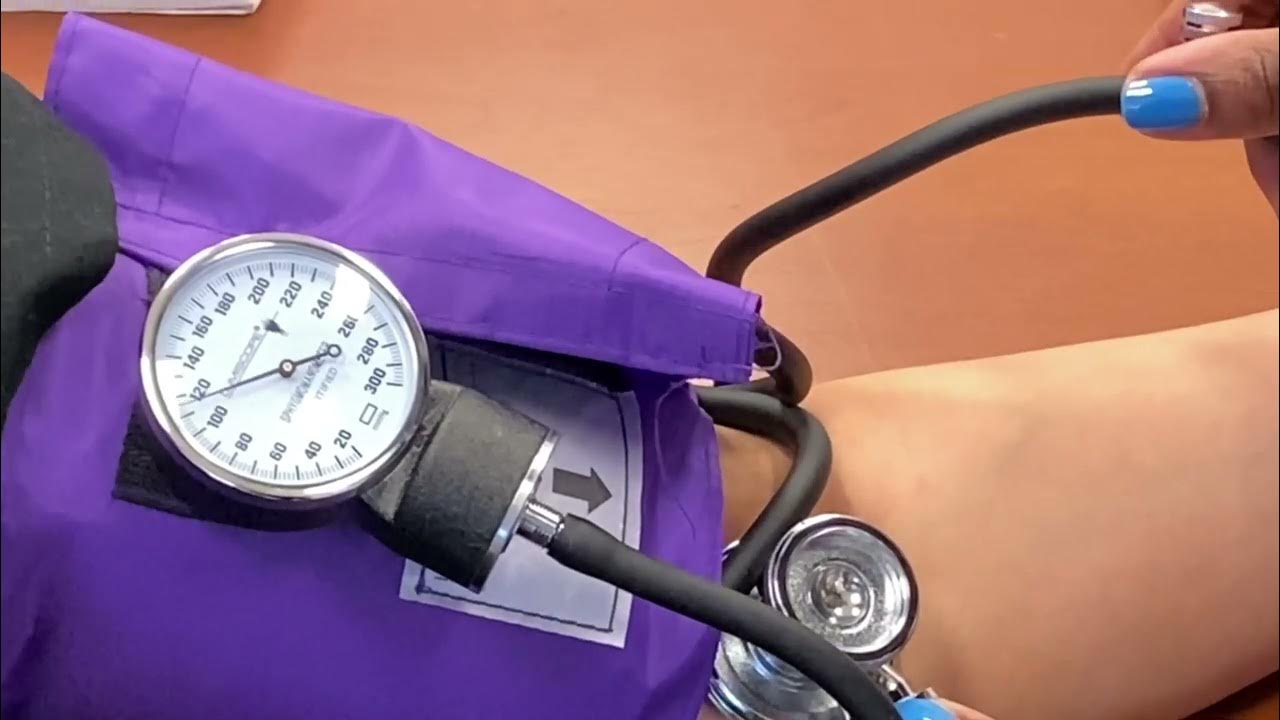
How To Check Manual Blood Pressure | Easy Blood Pressure Tutorial For Medical Assistants
5.0 / 5 (0 votes)
