Japan's New Problem: Salaryman Grift
Summary
TLDRThis video explores the viral 'salaryman' trend on YouTube, where creators portray the grueling, often exaggerated lives of Japanese office workers. While these videos appear to showcase real hardships, including long hours, poverty, and even homelessness, the content is largely staged and designed to elicit sympathy and donations. Creators use formulaic subtitles, AI-generated captions, and rented offices to fabricate authenticity, earning significant revenue through donations and ads. The video delves into why Western audiences are drawn to these stories, the cultural fascination with Japanese work life, and the ethical implications of exploiting viewers' empathy for profit.
Takeaways
- 😀 The rise of 'salaryman' videos on YouTube depicts the harsh and often exaggerated life of Japanese salarymen, focusing on their long work hours and struggles.
- 😀 These videos have become a huge trend, overtaking many YouTube feeds, with millions of views and hundreds of channels making similar content.
- 😀 Many of these videos are fake, with exaggerated claims of suffering and poverty, designed to manipulate viewers into donating money.
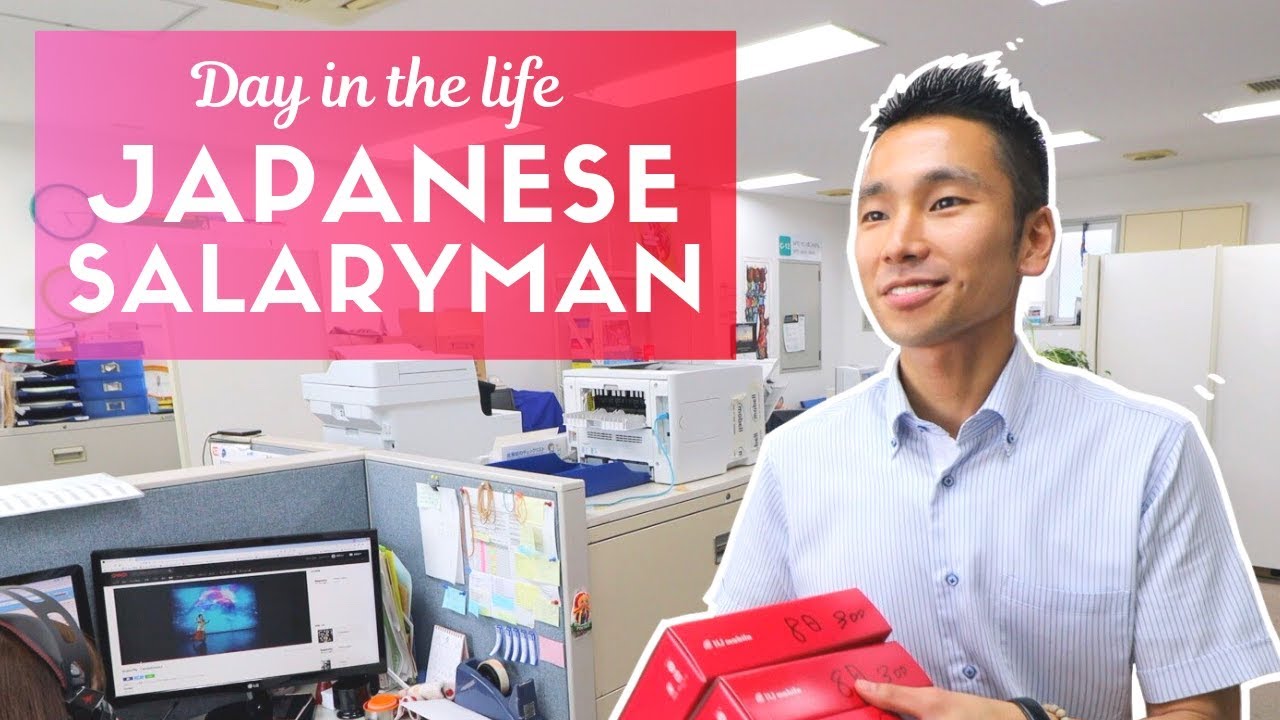
- 😀 The content typically portrays a day in the life of a salaryman, focusing on long hours, ramen, and complaining about low pay, but the real hardships are often fabricated.
- 😀 The channels producing these videos are mostly faceless, using subtitles generated by AI (like ChatGPT) to create the illusion of a real, struggling individual.
- 😀 A common tactic used in these videos is the 'payday video,' where salarymen count their meager earnings on camera, making viewers sympathize and donate money.
- 😀 The videos often follow a predictable formula: complaints about hardship, followed by a small positive note (e.g., enjoying ramen), creating a balance that appeals to viewers' emotions.
- 😀 Some creators go as far as to rent offices or create fake scenarios (e.g., working overtime, being homeless) to make their stories appear more authentic.
- 😀 Despite the fakery, these videos are generating significant income through donations and AdSense, with some creators making tens of thousands of dollars from these videos.
- 😀 The popularity of these videos can be attributed to a long-standing fascination with Japanese work culture, which is often romanticized or misunderstood in Western media.
Q & A
What are 'salaryman videos' and why have they become popular on YouTube?
-Salaryman videos are YouTube videos that depict the supposedly harsh and overworked lives of Japanese salarymen. They have gained popularity due to their portrayal of misery and struggles, making viewers sympathize with the creators, who then receive donations. These videos often focus on long working hours, poor living conditions, and mental and physical exhaustion.
How do these salaryman videos trick viewers into donating money?
-The creators of these videos present a narrative of a salaryman working extremely long hours, often with no extra pay, and struggling financially. They display humble living conditions, such as eating cheap ramen and counting their small paychecks, which triggers sympathy from viewers. This sympathy leads viewers to donate money to 'help' these individuals.
What is the primary issue with these salaryman videos according to the video creator?
-The primary issue with these videos is that they are fake. The creator reveals that the salarymen featured in these videos exaggerate or fabricate their struggles to gain sympathy and monetary support from viewers. The creator argues that these videos are a form of exploitation and manipulation.
How do these salaryman video creators make money beyond donations?
-In addition to donations, salaryman video creators also make money through YouTube ad revenue. With millions of views on their videos, they generate substantial earnings from ads, further incentivizing them to continue creating fake content that appeals to viewers' emotions.
Why do these videos primarily appeal to Western audiences?
-These videos appeal to Western audiences due to the mystique surrounding Japanese work culture. The West often romanticizes the idea of the Japanese salaryman, believing that they work incredibly hard, sometimes to the point of exhaustion or even death. The videos cater to this fascination, offering an exaggerated view of Japanese work life.
What role does AI-generated subtitles play in these salaryman videos?
-AI-generated subtitles, such as those from ChatGPT, are used in these videos to create a sense of authenticity while maintaining the creators' anonymity. The subtitles typically convey the struggles of the salaryman, making the videos feel more personal and relatable, which further enhances the viewers' sympathy.
How do the creators keep up the illusion of authenticity in these salaryman videos?
-Creators maintain the illusion of authenticity by avoiding showing their faces or voices. They also craft elaborate stories of hardship, like working late into the night, being unable to afford basic needs, and sleeping in the office, which makes the situation seem real and tragic to viewers.
What specific tactics do the creators use to encourage donations?
-Creators use tactics such as showcasing their meager paychecks, highlighting their financial struggles, and sharing stories of working overtime without extra pay. By focusing on these hardships, they make viewers feel guilty or empathetic, which motivates donations. Additionally, they include donation links in the video descriptions to make it easier for viewers to contribute.
Why does the video creator believe this trend is so widespread?
-The video creator believes the trend is widespread because it is a highly successful grift. The formula is simple and effective: create fake videos that appeal to people's emotions, exaggerate struggles, and exploit their sympathy for monetary gain. This grift has worked so well that many people in Japan have joined the trend, trying to outdo each other with their stories of hardship.
What does the creator suggest about the true nature of Japanese work culture?
-The creator acknowledges that there are elements of truth to the hardships of Japanese work culture, such as long hours and dedication. However, they argue that these videos distort the reality and blow it out of proportion, creating a mythical version of the Japanese salaryman that is far removed from the actual experience.
Outlines

This section is available to paid users only. Please upgrade to access this part.
Upgrade NowMindmap

This section is available to paid users only. Please upgrade to access this part.
Upgrade NowKeywords

This section is available to paid users only. Please upgrade to access this part.
Upgrade NowHighlights

This section is available to paid users only. Please upgrade to access this part.
Upgrade NowTranscripts

This section is available to paid users only. Please upgrade to access this part.
Upgrade NowBrowse More Related Video





5.0 / 5 (0 votes)
