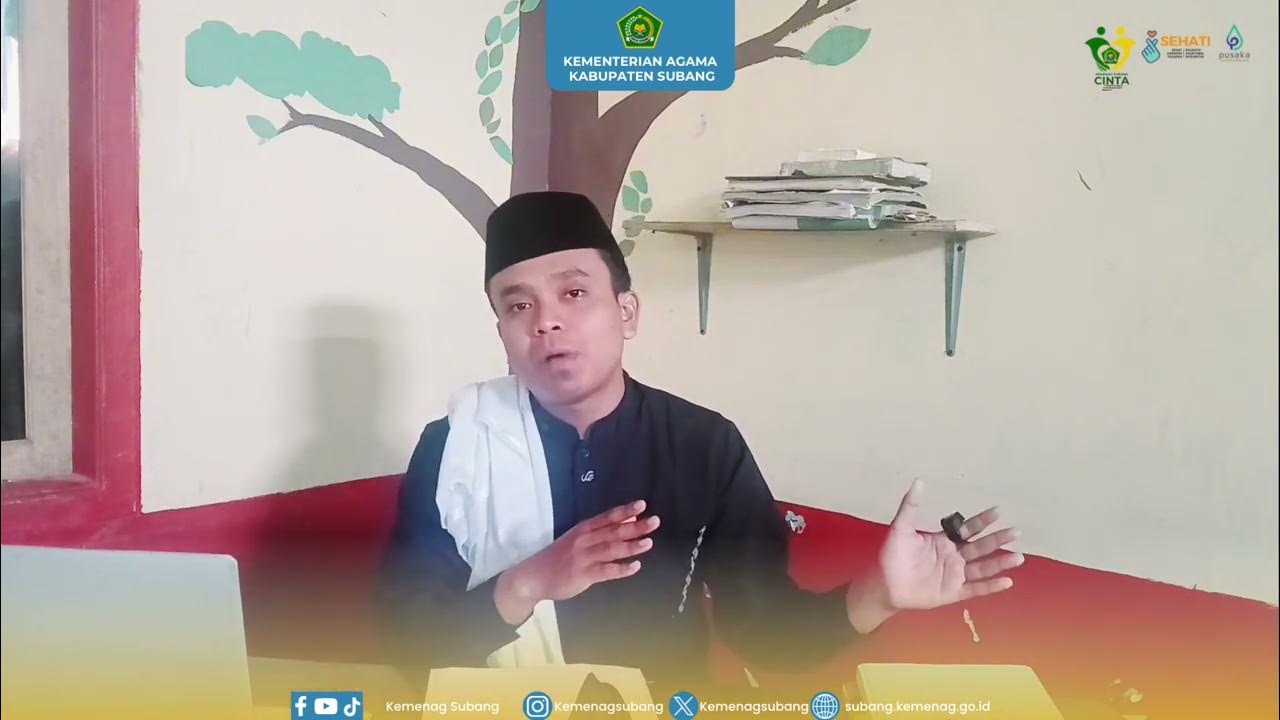
Kultum Ramadhan 3 I " HIKMAH PUASA RAMADHAN " #ramadhan2026 #kkgpaicipayung #kultum
Summary
TLDRThis sermon highlights the wisdom of fasting during the holy month of Ramadan, emphasizing its spiritual and physical benefits. The speaker begins by praising Allah and sending blessings on Prophet Muhammad (PBUH). The lecture discusses the Quranic command for fasting and its purpose, focusing on three key benefits: improving physical health through detoxification, fostering solidarity and empathy within the Muslim community, and increasing one's level of taqwa (piety). The speaker encourages the audience to use Ramadan to strengthen their faith and self-discipline, aiming for spiritual growth and closeness to Allah.
Takeaways
- 😀 The speaker begins by praising and thanking Allah for His guidance and blessings, and invokes blessings upon Prophet Muhammad (PBUH).
- 😀 The topic of the sermon is 'Hikmah Puasa Ramadan' (The Wisdom of Fasting in Ramadan).
- 😀 The Quranic verse from Surah Al-Baqarah 2:183 is referenced, which emphasizes the obligation of fasting for Muslims as a means to attain taqwa (piety).
- 😀 The speaker highlights that Ramadan is a month full of mercy, blessings, and forgiveness from Allah.
- 😀 The importance of understanding the deeper meanings behind fasting, not just performing it mechanically, is emphasized.
- 😀 One of the key benefits of fasting is 'Tasih Jism' (Physical Health), which is described as a natural detox for the body, improving digestion and overall health.
- 😀 The second benefit of fasting is 'Mawaddatul Bainal Muslimin' (Solidarity among Muslims), which helps foster empathy for the less fortunate and encourages charity.
- 😀 The third benefit discussed is 'Darajatul Muttaqin' (Elevation of the Status of the God-Conscious), where fasting serves as a way to purify the soul and increase one's devotion to Allah.
- 😀 Fasting helps build self-discipline and control, as it requires abstaining from things that break the fast with sincere intentions to please Allah.
- 😀 The speaker encourages everyone to not just focus on the timing of meals during Ramadan but to use the opportunity to increase faith and piety to achieve success in both this world and the hereafter.
- 😀 The speaker concludes with a prayer for forgiveness and blessings, invoking Allah's guidance, and offers a final greeting of peace: 'Wassalamualaikum warahmatullahi wabarakatuh.'
Q & A
What is the significance of Ramadan according to the speaker?
-Ramadan is considered a blessed month full of forgiveness, virtue, and blessings. It is a time when Muslims have the opportunity to strengthen their faith and purify themselves through fasting and worship.
What is the meaning of the Quranic verse quoted by the speaker from Surah Al-Baqarah 2:183?
-The verse is a command from Allah, stating that fasting has been prescribed for believers, just as it was for those before them, in order to attain taqwa (God-consciousness or piety).
What does 'tasih jism' mean, and how does fasting contribute to it?
-'Tasih jism' means the health of the body. Fasting acts as a natural detox for the body, cleansing it from toxins and improving the digestive system, which ultimately leads to better health.
How does fasting promote solidarity among Muslims, according to the speaker?
-Fasting helps Muslims empathize with those who are less fortunate, especially those with economic hardships. This empathy encourages solidarity, care for others, and a greater desire to give charity.
What is the concept of 'derajatul muttaqin' and how does fasting help achieve it?
-'Derajatul muttaqin' refers to the level of piety and God-consciousness that one can attain. Fasting helps to attain this by forcing individuals to restrain their desires and actions, purifying their intentions, and drawing closer to Allah.
How does the speaker suggest we should approach Ramadan?
-The speaker advises that we should not just change our eating schedule but instead work to improve our faith, piety, and connection to Allah during Ramadan, seeking spiritual growth and striving for a better life in both this world and the hereafter.
Why does the speaker emphasize the importance of intention during fasting?
-The speaker emphasizes that fasting should be performed with a sincere and pure intention to please Allah. This intention makes fasting a means of gaining spiritual benefits, including increased taqwa and closeness to Allah.
What role does fasting play in the purification of the soul?
-Fasting purifies the soul by limiting indulgence in worldly desires, allowing the person to focus on worship, self-discipline, and mindfulness of Allah. It also serves as a reminder of the less fortunate.
What is the ultimate goal of fasting, according to the speaker?
-The ultimate goal of fasting is to achieve a higher level of taqwa (piety) and to strengthen one's relationship with Allah. This helps individuals live a more righteous life, following Allah's commands and avoiding His prohibitions.
What is the significance of saying 'Amin' at the end of the prayer for Ramadan?
-Saying 'Amin' is a way of affirming the prayer and seeking Allah's mercy and blessings. The speaker’s use of 'Amin' emphasizes the hope that the benefits of fasting and Ramadan will be realized in this life and the next.
Outlines

This section is available to paid users only. Please upgrade to access this part.
Upgrade NowMindmap

This section is available to paid users only. Please upgrade to access this part.
Upgrade NowKeywords

This section is available to paid users only. Please upgrade to access this part.
Upgrade NowHighlights

This section is available to paid users only. Please upgrade to access this part.
Upgrade NowTranscripts

This section is available to paid users only. Please upgrade to access this part.
Upgrade NowBrowse More Related Video

(2025) Ramadhan Ke-3 | SDN Lubang Buaya 08 | Chelan dan Alicya | Hikmah Puasa Ramadhan

5. Puasa Sebagai Sarana Meningkatkan Taqwa | Bp. R. Didit Raditya Gunadi | 5 Maret 2025

SMARTREN 2025 : Hikmah di Balik Kewajiban Puasa

Ceramah Tarawih | Ust. dr. H. Agus Taufiqurrahman, Sp.S., M.Kes. | RDK UAD 1446 H
SMARTREN 2025 : Makna Ayat Puasa dalam Surah Al Baqarah 183-184

Bulan Sya'ban Bulan Persiapan untuk Ramadhan #ramadhan1444h #ramadhankareem #ramadhan2023
5.0 / 5 (0 votes)
