When You Finally Stop Living in Your Head, Everything Changes
Summary
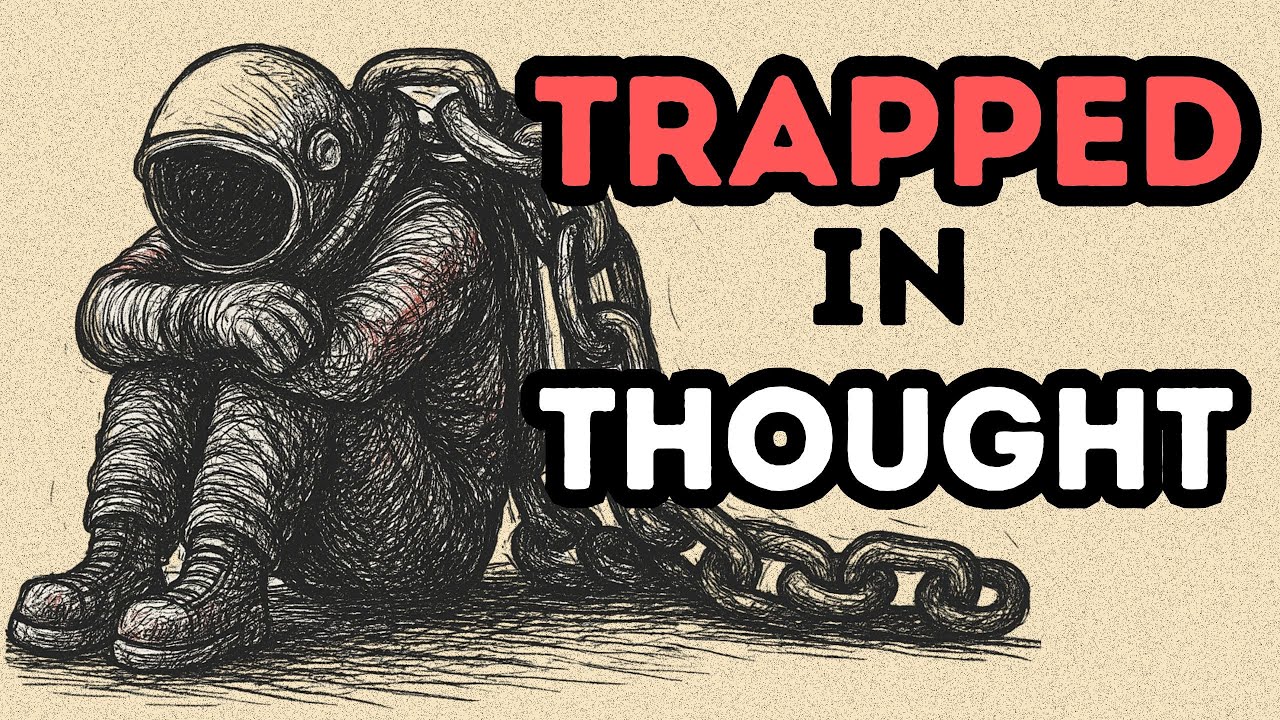
TLDRThis transcript explores the concept of mental noise and the false self that keeps people trapped in anxiety, depression, and overthinking. The voice in our heads, often mistaken as our true identity, generates unnecessary suffering through constant worry and judgment. The script emphasizes the importance of detaching from these thoughts and becoming the observer, leading to a powerful psychological shift. The journey of breaking free from the 'parasite' in our minds ultimately leads to a more present, focused, and empowered life. The key is to let go of the ego and step into pure consciousness, where true freedom and strength are found.
Takeaways
- 😀 The mind often creates unnecessary suffering through constant thinking and worry, which is a form of psychological parasite living inside us.
- 😀 Most people mistake the noise in their head for their true self, but the constant stream of thoughts is just a survival mechanism, not reality.
- 😀 Living in your head traps you in a simulation, either reliving past events or imagining future catastrophes, making you disconnected from the present moment.
- 😀 The real suffering comes not from external events (first arrow), but from the stories we tell ourselves about those events (second arrow).
- 😀 Your brain is wired for survival, not happiness. It creates problems to keep you alert, even when there are no real threats.
- 😀 Overthinking drains your energy and leads to mental exhaustion, leaving you feeling tired even after rest.
- 😀 Being trapped in your thoughts distorts your perception of others, leading to misunderstandings and conflict in relationships.
- 😀 True power comes from being present in the moment. People who are fully present exude confidence and power, while those lost in thought are weak and disconnected.
- 😀 The key to breaking free from the endless mental chatter is detachment — watching your thoughts without identifying with them or reacting.
- 😀 To break free from the ego and the false self, you must be willing to face the terrifying emptiness of the present moment and let go of your identity as a victim or protagonist in a tragic story.
Q & A
What is the 'parasite' the speaker refers to in the script?
-The 'parasite' refers to the negative, intrusive voice in the mind that causes anxiety, depression, and emotional paralysis. It's the constant mental chatter that convinces the individual of false narratives and judgments.
Why does the speaker say 'you are living in a simulation'?
-The speaker argues that when you are trapped in your thoughts—especially when overthinking past events or worrying about an uncertain future—you are disconnected from the present reality. You’re mentally elsewhere, experiencing a simulation of events that haven't happened or cannot be changed.
What is the difference between the 'first arrow' and the 'second arrow'?
-The 'first arrow' is the initial painful event (e.g., losing a job or being insulted), while the 'second arrow' represents the negative stories we tell ourselves about that event. The second arrow adds unnecessary suffering, often leading to spiraling thoughts and anxiety.
How does the speaker describe the role of anxiety in the mind?
-Anxiety is depicted as a survival mechanism. The mind, designed to keep you safe, fills the silence with imagined threats and worries, even when there are no real dangers. This constant overthinking is not solving problems but merely creating more mental turmoil.
Why does the speaker emphasize 'detachment' from thoughts?
-Detachment is the ability to observe your thoughts without identifying with them. The speaker encourages seeing thoughts as mere data or passing phenomena, rather than accepting them as truths, which is crucial to breaking free from the cycle of anxiety and overthinking.
What does the speaker mean by 'the death of the false self'?
-The 'false self' is the identity built from thoughts, stories, and judgments about oneself. The death of the false self involves letting go of these constructs and becoming present in the moment, free from the limiting narrative created by the mind.
How does the speaker describe the process of overcoming mental chatter?
-Overcoming mental chatter involves becoming aware of the thoughts without engaging with them. It's like treating the mind as a noisy roommate that you choose to ignore rather than react to. With practice, the mental noise fades, leading to inner peace and presence.
Why is presence so important, according to the script?
-Presence is important because it connects you to reality, to what is actually happening around you, rather than living in the narrative of your thoughts. Being present increases clarity, reduces anxiety, and allows for a more authentic and powerful way of living.
What is the 'vibration' that people give off when living in their heads?
-When people are lost in thought, they emit a vibration of anxiety, neediness, and absence. This creates a feeling of disconnection and lack of trust, making it hard to form genuine, impactful relationships.
How does the speaker define the concept of 'ego death'?
-Ego death is the dissolution of the false identity, where one stops identifying with their thoughts, labels, and stories. It is a form of psychological liberation that allows a person to experience life without the filter of personal narratives, becoming pure consciousness.
Outlines

This section is available to paid users only. Please upgrade to access this part.
Upgrade NowMindmap

This section is available to paid users only. Please upgrade to access this part.
Upgrade NowKeywords

This section is available to paid users only. Please upgrade to access this part.
Upgrade NowHighlights

This section is available to paid users only. Please upgrade to access this part.
Upgrade NowTranscripts

This section is available to paid users only. Please upgrade to access this part.
Upgrade NowBrowse More Related Video

Mengenal Overthinking dan Cara Mengatasinya || Tips Seru
Your MIND Gets Quieter When You Understand This Truth (Try This)

#1 Neuroscientist: How To Instantly Reduce Stress & Anxiety - Try This Trick Every Morning

Are your coping mechanisms healthy? | Dr. Andrew Miki | TEDxSurrey

Fault Vs Responsibility by Will Smith FULL SPEECH

Smettere di RIMUGINARE e cominciare ad ascoltare le EMOZIONI
5.0 / 5 (0 votes)
