CELPIP Writing Task 1 Example — Write an Email to your Landlord.
Summary
TLDRIn this video, the instructor discusses how to effectively approach the CELPIP Writing Task 1, specifically how to write an email to a landlord about a broken microwave. The video provides clear guidance on structuring the email, using a friendly yet professional tone, and covering the three essential points: describing the problem, explaining the need for a microwave, and asking for a fix or replacement. The instructor shares an example of a perfect response that includes advanced vocabulary and idiomatic expressions, offering helpful tips for achieving a high score in the CELPIP exam.
Takeaways
- 😀 It's important to focus on the three key points in a writing task: describing the problem, explaining the need, and asking for a solution.
- 😀 When writing to your landlord, use a friendly yet professional tone, avoiding both overly formal and overly casual language.
- 😀 The greeting 'Hi John' is most appropriate for a friendly, professional relationship with your landlord. Avoid overly formal options like 'Dear Landlord' or overly casual ones like 'Hey John'.
- 😀 Use phrases like 'Would it be possible' to politely ask your landlord to fix or replace the microwave, instead of directly demanding.
- 😀 The ideal structure for the email includes a greeting, three main paragraphs (problem, need, request), and a closing with your name.
- 😀 The email should be between 150-200 words, with proper paragraph spacing to maintain clarity and professionalism.
- 😀 Using idiomatic expressions like 'a lot on my plate' (meaning busy) and 'hands are tied' (meaning limited options) can enhance your writing score.
- 😀 Use specific vocabulary related to the issue, such as 'fuse box' or 'kitchen appliances,' to show familiarity with the topic.
- 😀 Including a polite offer, such as 'I’d be happy to swing by and pick up a replacement microwave,' shows initiative and consideration.
- 😀 Practice managing time effectively: focus on completing your email first, then refine it by adding advanced vocabulary and idioms if time allows.
Q & A
What is the main purpose of the CELPIP writing task discussed in the video?
-The main purpose of the CELPIP writing task is to write an email to a landlord, reporting that the microwave has stopped working, explaining why it is needed, and requesting that the landlord fix or replace it.
Why is it important to consider the relationship with the landlord when writing this email?
-It is important to consider the relationship with the landlord because the tone and formality of the email depend on whether the landlord is a close friend, an acquaintance, or a more formal business contact. In this case, the relationship is assumed to be friendly and professional, not too formal or too casual.
What greeting is most appropriate when writing an email to a landlord in this context?
-The most appropriate greeting in this context is 'Hi John' or 'Hi Mr. Jenkins' depending on the level of familiarity with the landlord. 'Dear Landlord' or 'Hi Dear' is too formal or affectionate, while 'Hey' is too informal.
What are the three key elements to include in the response to the CELPIP writing task?
-The three key elements are: 1) describe the problem with the microwave, 2) explain why you need it, and 3) politely ask the landlord to fix or replace it.
What tone should be used in the email to the landlord?
-The tone should be friendly and professional, striking a balance between formal and casual. It should reflect a respectful yet approachable relationship with the landlord.
Why should the writer use the phrase 'Would it be possible' when making the request?
-'Would it be possible' is a polite way to make a request. It softens the tone and avoids sounding demanding, which is important when writing to someone like a landlord.
What vocabulary is recommended for describing the situation with the broken microwave?
-Recommended vocabulary includes terms like 'blown fuse,' 'fuse box,' 'irregularities,' and 'kitchen appliances' to accurately describe the problem with the microwave and the status of other appliances in the kitchen.
How can offering to pick up a new microwave save the landlord time?
-The writer offers to buy the microwave themselves and deduct the cost from next month's rent, which saves the landlord the trouble of going out to purchase a replacement.
What does the idiom 'I have a lot on my plate' mean in this context?
-The idiom 'I have a lot on my plate' means that the writer is very busy and has many responsibilities, which is why they do not have time to cook and rely on the microwave.
Why is using advanced vocabulary and idioms beneficial for CELPIP writing tasks?
-Using advanced vocabulary and idioms, such as 'lifesaver,' 'hands are tied,' and 'a lot on my plate,' demonstrates language proficiency and can contribute to a higher score by showcasing a wider range of language skills.
Outlines

This section is available to paid users only. Please upgrade to access this part.
Upgrade NowMindmap

This section is available to paid users only. Please upgrade to access this part.
Upgrade NowKeywords

This section is available to paid users only. Please upgrade to access this part.
Upgrade NowHighlights

This section is available to paid users only. Please upgrade to access this part.
Upgrade NowTranscripts

This section is available to paid users only. Please upgrade to access this part.
Upgrade NowBrowse More Related Video

CELPIP WRITING TASK 2 TEMPLATE DETAILED! COMPLETE VERSION. Advanced Vocabulary and Structure.

IELTS Writing Task 2: How to write an introduction

IELTS Essay - Tips to Write a Good IELTS Writing Task 2 Essay
IELTS Writing Task 2 - Vital Information You Need To Know
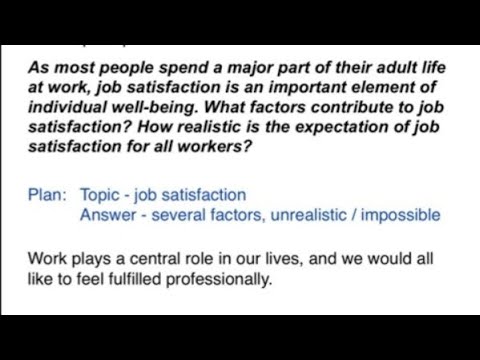
IELTS-Simon-Writing-Task2-Lesson-1

IELTS Writing Task 1 General: Band 9 Structure + Samples
5.0 / 5 (0 votes)
