VOC di Indonesia
Summary
TLDRThe Dutch East India Company (VOC), founded in 1602, dominated the spice trade in Southeast Asia for almost 200 years. With monopolistic power granted by the Dutch government, the VOC exploited Indonesia through forced labor, high taxes, and agricultural control. Despite early success, internal corruption, mounting debts, and resistance from locals led to its downfall. In 1799, the VOC was dissolved, its assets taken by the Dutch government. Its legacy in Indonesia remains a reminder of colonial greed, power struggles, and the resilience of the people.
Takeaways
- 😀 The Dutch East India Company (VOC) was founded on March 20, 1602, in the Netherlands to strengthen Dutch trade in Asia and challenge Portuguese and Spanish competition.
- 😀 The VOC was granted special privileges by the Dutch government, including monopolies on trade, the ability to print money, form an army, and govern territories.
- 😀 One of the main goals of the VOC was to dominate the spice trade and eliminate competition among Dutch traders in the region.
- 😀 The VOC implemented a divide-and-rule strategy, including compulsory agricultural product surrender, high taxes, and forced labor on local populations in Indonesia.
- 😀 The VOC established a highly centralized bureaucratic system led by a Governor-General stationed in Batavia (modern-day Jakarta).
- 😀 Corruption, high war costs, mounting debts, and resistance from local populations eventually led to the VOC’s downfall by 1799.
- 😀 On December 31, 1799, the VOC was officially dissolved, and its assets were taken over by the Dutch government.
- 😀 The VOC’s rule in Indonesia is a historical reminder of the dangers of **greed** and the abuse of power through colonial exploitation.
- 😀 Despite its collapse, the VOC left a lasting legacy in Indonesia, particularly in shaping the nation’s identity and historical struggles against colonial powers.
- 😀 The VOC’s occupation of Indonesia is a crucial chapter in the region’s history, reflecting the long-term impact of European colonialism in Southeast Asia.
Q & A
What was the primary goal behind the creation of the VOC?
-The primary goal behind the creation of the VOC (Dutch East India Company) was to consolidate Dutch trading companies into a single powerful entity to compete with the Portuguese and Spanish and to control the lucrative spice trade in Asia.
When was the VOC founded and where?
-The VOC was founded on March 20, 1602, in the Netherlands.
What were the special privileges granted to the VOC by the Dutch government?
-The Dutch government granted the VOC several special privileges, including trade monopolies, the right to print money, form an army, make agreements, and govern the territories under its control.
What policy did the VOC implement to maintain its monopoly on the spice trade?
-The VOC implemented a 'divide and rule' policy, which included monopolizing the spice trade, forcing the compulsory surrender of agricultural products, imposing high taxes, and using forced labor.
What challenges did the VOC face during its operation in Indonesia?
-The VOC faced several challenges, including corruption, high war costs, competition from other traders, mounting debts, and popular resistance from the local population.
What role did the Governor General play in the VOC's administration?
-The Governor General, based in Batavia (modern-day Jakarta), led the VOC’s centralized bureaucratic system and was responsible for overseeing its operations in the region.
What factors led to the bankruptcy and eventual dissolution of the VOC?
-The VOC went bankrupt due to a combination of factors, including corruption, the high costs of war, trade competition, mounting debts, and resistance from the local population.
When was the VOC officially dissolved?
-The VOC was officially dissolved on December 31, 1799.
Who took over the VOC's assets after its dissolution?
-After the dissolution of the VOC, its assets were taken over by the Dutch government.
What historical legacy did the VOC leave in Indonesia?
-The VOC's occupation of Indonesia left a lasting historical legacy that serves as a lesson about greed, power, and the people's struggle, which continues to shape the national identity of Indonesia today.
Outlines

This section is available to paid users only. Please upgrade to access this part.
Upgrade NowMindmap

This section is available to paid users only. Please upgrade to access this part.
Upgrade NowKeywords

This section is available to paid users only. Please upgrade to access this part.
Upgrade NowHighlights

This section is available to paid users only. Please upgrade to access this part.
Upgrade NowTranscripts

This section is available to paid users only. Please upgrade to access this part.
Upgrade NowBrowse More Related Video

VOC | PERUSAHAAN TERBESAR DALAM SEJARAH | Sejarah Awal mula, Kolonisasi, Dan Runtuhnya VOC

SEJARAH BERDIRINYA VOC
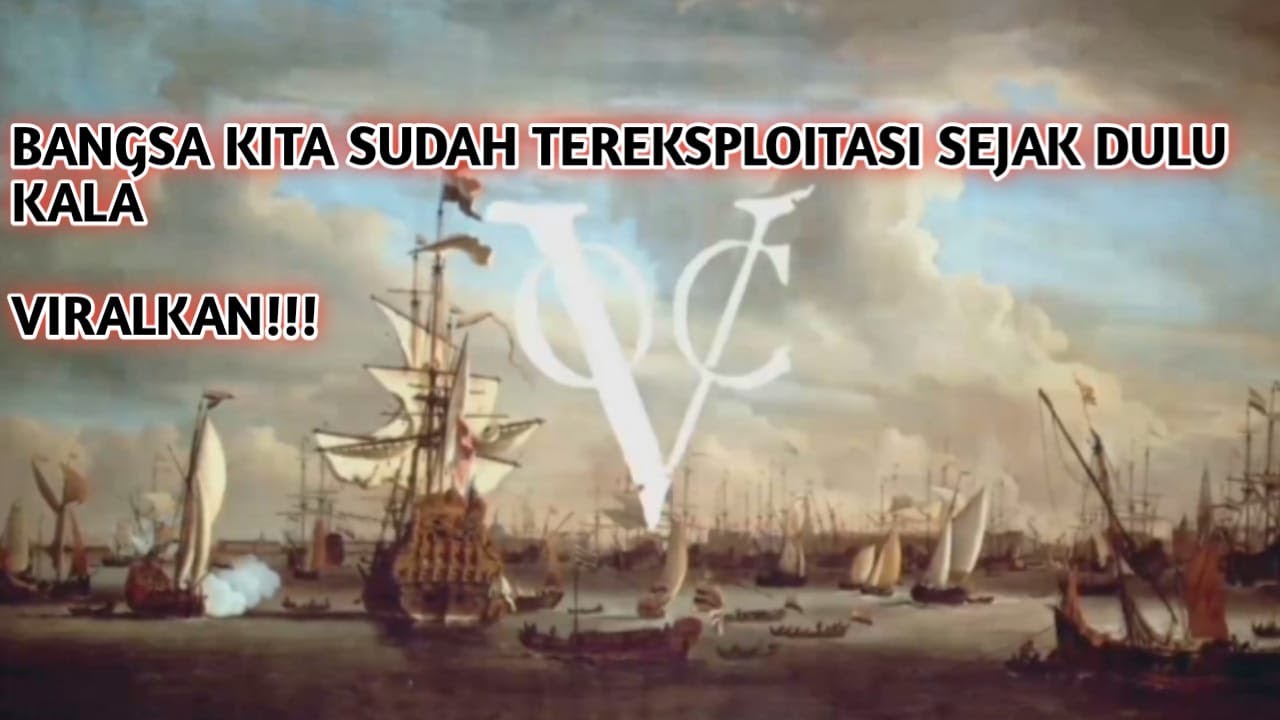
KONGSI DAGANG BELANDA ERA 1800an (VOC) || MATERI SEJARAH SMA

KEKUASAAN VOC DI INDONESIA
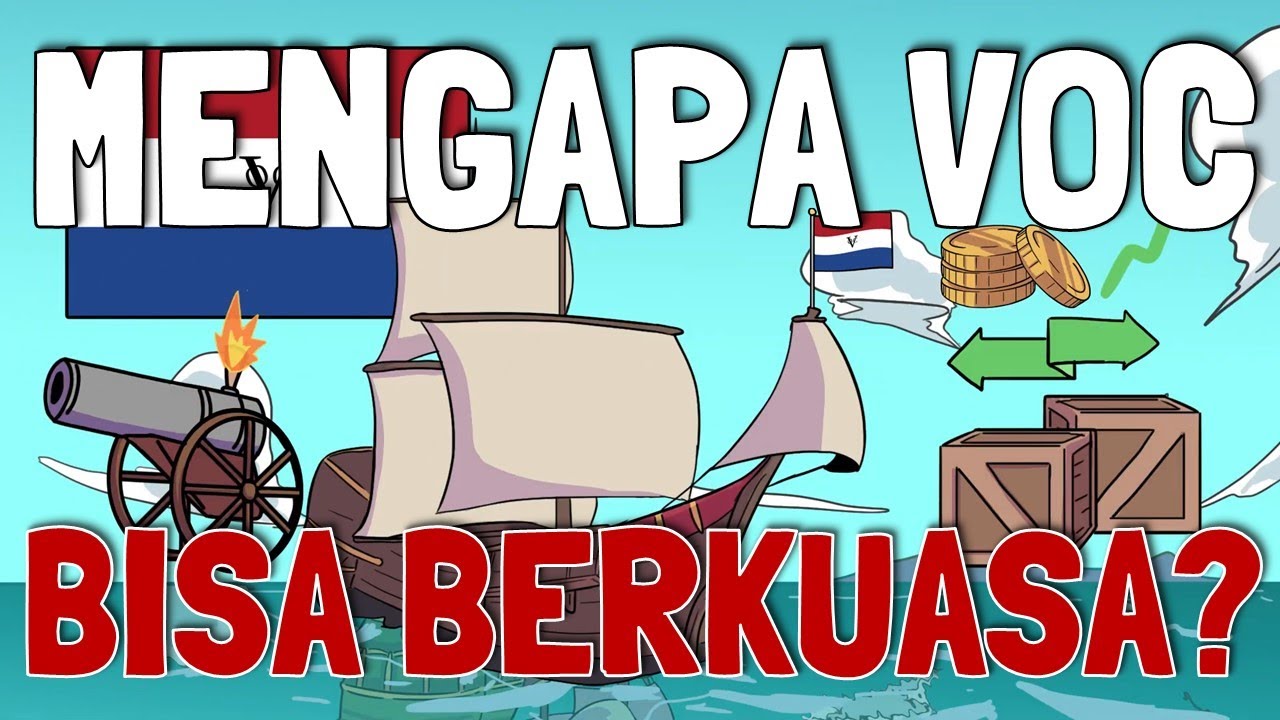
Mengapa VOC Belanda Bisa Menjajah Nusantara? & Mengapa Akhirnya Runtuh?

Kedatangan bangsa Belanda di Indonesia
5.0 / 5 (0 votes)
