Is Indian secularism the same as Western secularism?
Summary
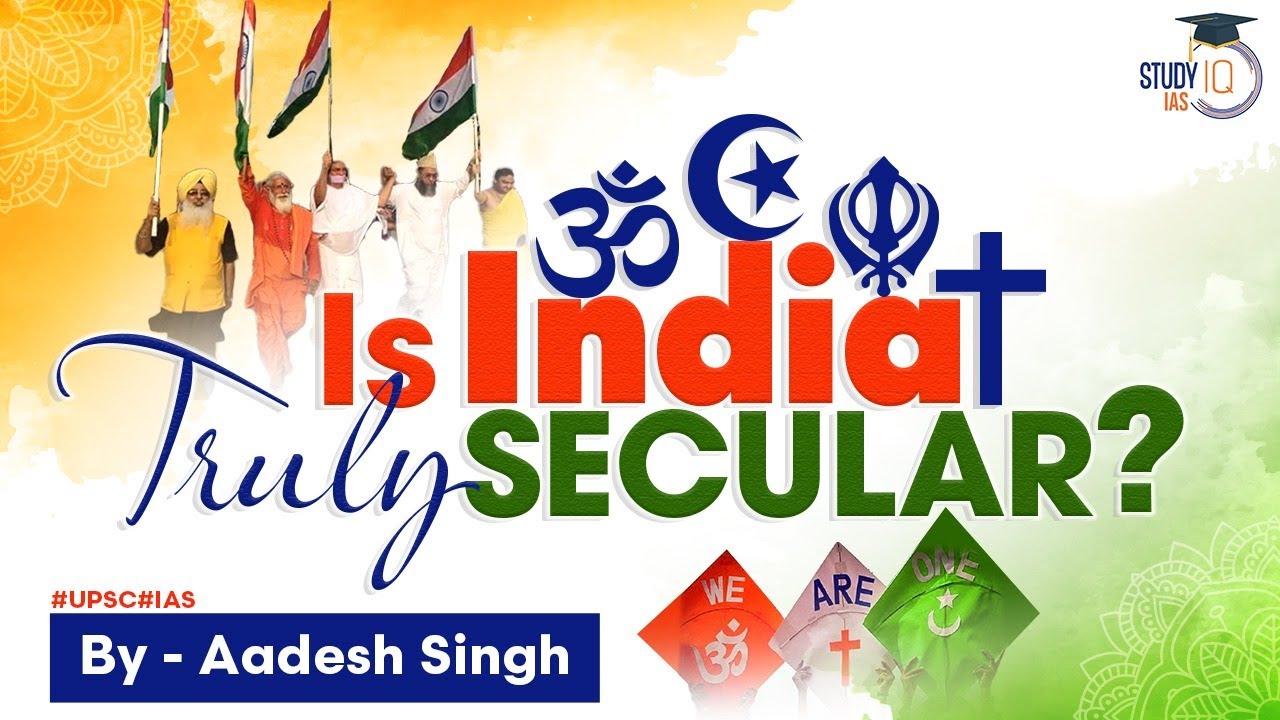
TLDRThis video explores the concept of secularism in India, comparing it with Western models. It highlights how India’s secularism is based on the idea of regulated engagement between the state and religion, unlike the Western model which advocates separation. The video discusses the role of the Indian government in religious matters, its constitutional provisions, and landmark Supreme Court rulings that affirm a neutral but engaged approach. The debate surrounding political leaders' participation in religious events is also addressed, with the conclusion that India's secularism accommodates religious diversity while maintaining harmony.
Takeaways
- 🕌 The reconstruction and inauguration events of the Ayodhya Ram Mandir reignited debates about whether India is truly secular.
- 📘 Secularism defines the relationship between the state and religion, aiming to prevent mutual interference.
- 🌍 Western secularism follows a strict separation model, creating a clear wall between the state and religion.
- 🇮🇳 Indian secularism is characterized by regulated engagement rather than separation—state may intervene, reform, or support religions while remaining neutral.
- 🤝 India’s model is rooted in its long history of diverse religious coexistence, requiring mediation rather than withdrawal.
- 📜 Constitutional provisions—such as Articles 14, 15, 16, 25–28, 29–30, and DPSP Article 44—lay out India’s secular framework.
- ⚖️ Landmark judgments like S.R. Bommai (1994), Aruna Roy (2002), and Ismail Faruqui (1994) clarify India’s positively tolerant and balanced form of secularism.
- 🏛️ India’s secularism allows state involvement in religious reforms, such as temple entry rights and the abolition of untouchability.
- 🚩 Participation of political leaders, including the Prime Minister, in religious events is not considered anti-secular within the Indian model, as long as neutrality across religions is maintained.
- 🌏 India cannot adopt Western secularism due to its unique social fabric, pluralism, demographic diversity, and intertwined social-religious customs.
- 🔍 Indian secularism is designed to maintain harmony by allowing engagement while ensuring equal respect for all religions (the spirit of *sarva dharma sambhava*).
Q & A
What is secularism, and how does it relate to the state?
-Secularism refers to the separation between religion and the state. It suggests that the state should not endorse or interfere with religious matters, allowing religion to remain a private sphere while governance remains neutral.
How does Western secularism differ from Indian secularism?
-Western secularism is based on a clear separation between religion and state, where the state remains neutral and uninvolved in religious affairs. In contrast, Indian secularism involves regulated engagement, where the state can participate in religious activities but must remain neutral and ensure equal treatment for all religions.
Why is Indian secularism different from the Western model?
-Indian secularism is designed to accommodate the country’s long history of religious diversity and pluralism, where multiple religions coexist. Unlike the Western model, which seeks strict separation, India requires state involvement to manage religious coexistence and ensure social harmony.
What role does the Indian state play in religion according to the Indian model of secularism?
-In the Indian model, the state can support and regulate religious activities, such as temple reform, pilgrimage management, and even religious subsidies. However, the state must remain neutral, ensuring that all religions are treated equally and fairly.
How is secularism addressed in the Indian Constitution?
-The word 'secular' was added to the Indian Constitution in the 42nd Amendment of 1976. However, even before this, the Constitution included provisions like Articles 14, 15, 16, 25, and 26, which laid the foundation for a secular state by ensuring equal treatment and religious freedom.
What does Article 25 of the Indian Constitution guarantee?
-Article 25 guarantees the fundamental right to freedom of religion, allowing individuals to practice, profess, and propagate their religion freely, without interference from the state.
What does the 1994 SR Bommai case say about Indian secularism?
-The SR Bommai case (1994) established that Indian secularism is part of the 'basic structure' of the Constitution. It reinforced that the government cannot promote or endorse any religion, ensuring the state's neutrality in religious matters.
Why does the participation of political leaders in religious events not contradict Indian secularism?
-The participation of political leaders in religious events is not a departure from Indian secularism because it aligns with the idea of regulated engagement. The state may be involved in religious activities, but it must remain neutral and treat all religions equally, as long as no religion is favored over another.
How do landmark Supreme Court cases help define secularism in India?
-Landmark Supreme Court cases, such as SR Bommai (1994) and Aruna Roy (2002), help define Indian secularism by clarifying the state's role in religious matters. The Court has upheld that secularism in India is about positive tolerance and ensuring that all religions are respected and treated equally, without state favoritism.
Why can't India adopt the Western model of secularism?
-India cannot adopt the Western model of secularism due to its unique social fabric and history of religious diversity. The close ties between religion and social customs in India require state involvement to ensure reforms, prevent conflicts, and maintain peace in a highly pluralistic society.
Outlines

This section is available to paid users only. Please upgrade to access this part.
Upgrade NowMindmap

This section is available to paid users only. Please upgrade to access this part.
Upgrade NowKeywords

This section is available to paid users only. Please upgrade to access this part.
Upgrade NowHighlights

This section is available to paid users only. Please upgrade to access this part.
Upgrade NowTranscripts

This section is available to paid users only. Please upgrade to access this part.
Upgrade NowBrowse More Related Video

Understanding Modernism: An overview of Modernism | Lecture 1 | Shaoor Institute | Shoaib Madni

Secularism, explained.

Epistemologi: Cara Mendapat Pengetahuan Dengan Benar

Agama Butuh Negara Atau Negara Butuh Agama?

Apa Itu Sekularisme? 9 menit memahami sekularisme
India and Secularism | Constitutional values | Polity | UPSC General Studies
5.0 / 5 (0 votes)
