МУТИРОВАННЫЕ СУЩЕСТВА В ЧЕРНОБЫЛЕ УЖАСНУЛИ МИР: Что Стало с Животными?
Summary
TLDRThe Chernobyl Exclusion Zone, once devastated by the 1986 nuclear disaster, has become a surprising haven for wildlife. Despite the radiation, nature is thriving, with animals like black foxes, giant catfish, and mutated frogs adapting to their harsh environment. Over time, these animals have developed unique physical and behavioral traits to survive. Scientists are studying how radiation-induced mutations are shaping the local ecosystem. The story of Chernobyl's recovery showcases nature’s incredible resilience and raises questions about the lasting impact of human-made disasters on the natural world.
Takeaways
- 😀 Chernobyl's Exclusion Zone, once a human ghost town after the 1986 disaster, has become a thriving area where nature is recovering and adapting to extreme conditions.
- 😀 Over the years, radiation has caused genetic mutations in local wildlife, including physical deformities and behavioral changes, but animals have managed to adapt.
- 😀 The unique ecosystem of Chernobyl includes mutated animals like two-headed calves, and Chernobyl has even become a strange repository for these altered species.
- 😀 Chernobyl's giant catfish, which can grow up to 10 feet in length, are a fascinating example of the abnormal growth patterns observed in the region.
- 😀 Rare species such as the broad-eared bat have found refuge in Chernobyl, thriving despite the radiation, thanks to the absence of human interference.
- 😀 The black fox, a mutation caused by radiation, is a key example of how animals can adapt to the radioactive environment, showing changes like darker fur for better camouflage.
- 😀 A mysterious video filmed in 2005 shows an elk crossing a railroad in Chernobyl, leading to a legend about a headless elk, believed by some to be the 'guardian' of the zone.
- 😀 Eastern tree frogs in the area have evolved to develop dark skin, which helps them absorb and scatter radiation, demonstrating rapid evolutionary changes.
- 😀 Radiation exposure has led to deformed antlers in Chernobyl’s wild deer population, and their weakened immune systems make them more susceptible to infections.
- 😀 Wolves, bears, and other large predators in Chernobyl have adapted to the absence of humans by developing new hunting behaviors, expanding territories, and growing populations.
- 😀 Despite the negative health effects of radiation, the exclusion zone has become an unlikely sanctuary where animals have found ways to survive and thrive, showing nature’s resilience.
Q & A
What is the significance of the Chernobyl Exclusion Zone in terms of nature recovery?
-The Chernobyl Exclusion Zone has become an unexpected example of nature's resilience. Despite the radiation from the 1986 nuclear disaster, wildlife has returned and adapted, demonstrating nature's ability to recover and evolve in the absence of human activity.
How did the radiation from the Chernobyl disaster affect the animals living in the Exclusion Zone?
-The radiation caused mutations in the genetic material of animals, leading to physical deformities, behavioral changes, and health problems. However, over time, many species adapted to these harsh conditions, and some mutations, like black fur in foxes or darker-colored frogs, helped certain animals survive.
What role did geneticist Vyacheslav Konovalov play in the study of Chernobyl's mutant animals?
-Vyacheslav Konovalov collected and studied specimens of mutant animals from Chernobyl. He worked with local veterinarians to preserve mummified animals as evidence of the mutations caused by radiation. His collection, however, no longer physically exists, though his research contributed significantly to understanding these changes.
What are some examples of mutated animals found in the Chernobyl Exclusion Zone?
-Notable examples include two-headed calves, animals with extra limbs, and the appearance of black foxes, which resulted from genetic mutations. Other mutations included changes in behavior and physical traits, such as deformed antlers in deer.
How did catfish in the Pripyat River adapt to the radioactive environment in Chernobyl?
-Catfish in Chernobyl, particularly those in the Pripyat River, grew to immense sizes, with some reaching lengths of up to 10 feet and weighing over 220 pounds. The radiation likely caused genetic changes that contributed to their unusual size, although there are also myths about them being dangerous monsters.
What adaptations did the broad-eared bat make to survive in the Chernobyl Exclusion Zone?
-The broad-eared bat, known for its large ears, adapted by finding new sources of food and shelter in the Exclusion Zone. Despite the radiation threat, these bats have been able to thrive, indicating their resilience and ability to adjust to extreme conditions.
What is the significance of the black fox in Chernobyl’s ecosystem?
-The black fox, a result of radiation-induced genetic mutations, is a symbol of adaptation in Chernobyl. Its black fur may help it adapt to a nocturnal lifestyle, while other mutations, such as organ abnormalities, have not prevented its survival and thriving in the Exclusion Zone.
What is the legend surrounding the headless elk seen in Chernobyl, and what do skeptics believe about it?
-The headless elk, captured in a 2005 video, is sometimes referred to as a 'guardian of Chernobyl' or a spirit of the zone. Some believe it is a mystical entity, while skeptics view it as a myth fueled by Chernobyl’s eerie reputation. The video remains realistic, adding to the legend’s intrigue.
How did tree frogs in Chernobyl evolve in response to radiation?
-Tree frogs in Chernobyl developed darker skin tones, likely as a response to increased radiation. The increased melanin in their skin helps absorb and scatter radiation, making them better adapted to the environment. Over two decades of research, scientists noted that dark-colored frogs had a survival advantage over their green counterparts.
What impact has radiation had on the deer population in Chernobyl?
-Deer in Chernobyl have experienced deformities, particularly in their antlers, due to radiation exposure. Radiation also weakened their immune systems, making them more vulnerable to diseases. Despite this, deer have adapted to the zone, and their population continues to exist in the area.
How have wolves adapted to life in Chernobyl, and what challenges do they face?
-Wolves in Chernobyl have developed new survival strategies, such as avoiding high-radiation areas and forming larger, more self-confident packs. However, the radiation has caused health problems, including organ deformities and a shortened lifespan, which may affect their long-term survival and reproduction.
Why are bears thriving in Chernobyl despite the radiation?
-Bears in Chernobyl have thrived due to the absence of human activity, which has made food more accessible and allowed them to occupy territories that were previously human-populated. Despite health anomalies caused by radiation, their population has been growing due to the safe environment and abundant resources.
Outlines

This section is available to paid users only. Please upgrade to access this part.
Upgrade NowMindmap

This section is available to paid users only. Please upgrade to access this part.
Upgrade NowKeywords

This section is available to paid users only. Please upgrade to access this part.
Upgrade NowHighlights

This section is available to paid users only. Please upgrade to access this part.
Upgrade NowTranscripts

This section is available to paid users only. Please upgrade to access this part.
Upgrade NowBrowse More Related Video

SCIENTIST PANICKED: Camera Captured in Chernobyl So TERRIFYING, They Warned NOT TO ENTER Documentary

Chernobyl Nuclear Disaster | Why it happened? | Dhruv Rathee
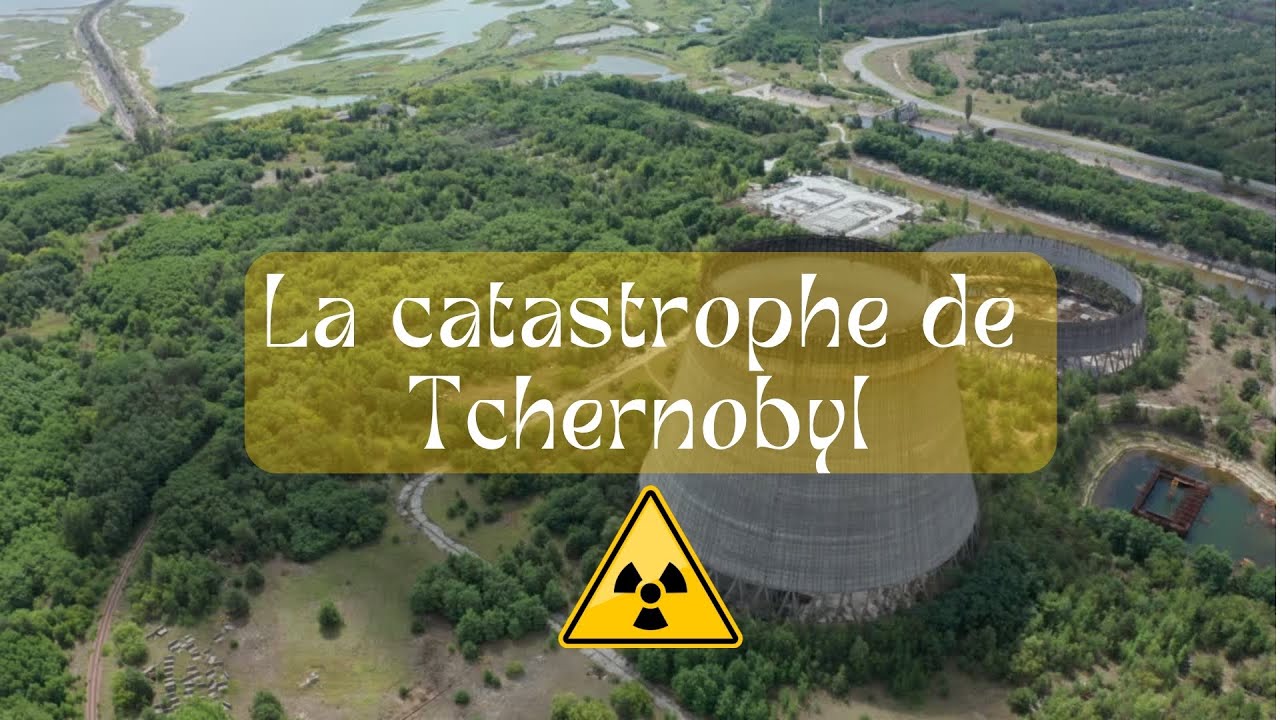
☢️ LA CATASTROPHE DE TCHERNOBYL ☢️

Um dia em CHERNOBYL - Canal Nostalgia

Чернобыль - что, если бы ликвидаторы не справились?

Chornobyl isn’t safe anymore... again
5.0 / 5 (0 votes)
