KLASIFIKASI SYOK DAN PATOFISIOLOGINYA | KARDIOVASKULER
Summary
TLDRThis video explains the concept of shock, from its definition to classification and pathophysiology. Shock is a condition of inadequate oxygen delivery to tissues due to hemodynamic disturbances, primarily affecting the heart, arteries, or veins. It discusses the physiological processes behind circulation, including factors like cardiac output and systemic vascular resistance. The video further explores various types of shock: hypovolemic, cardiogenic, distributive, and obstructive, detailing their causes and impacts on circulation. The content emphasizes the importance of understanding shock to diagnose and treat it effectively, covering symptoms, complications, and clinical indicators.
Takeaways
- 😀 Shock is a condition where there is inadequate oxygen transfer to tissues due to hemodynamic disturbances in the circulatory system.
- 😀 Mean Arterial Pressure (MAP) is the average arterial pressure during a single cardiac cycle and is affected by cardiac output and total peripheral resistance.
- 😀 Cardiac output is influenced by heart rate and stroke volume. Stroke volume is determined by preload, contractility, and afterload.
- 😀 Preload refers to the volume of blood entering the ventricles during diastole, and contractility refers to the heart's ability to contract forcefully.
- 😀 Afterload is the resistance the heart must overcome to pump blood and is influenced by arterial pressure and the characteristics of heart muscle.
- 😀 Shock can be classified into four main types: hypovolemic, cardiogenic, distributive, and obstructive, each with different causes and physiological mechanisms.
- 😀 Hypovolemic shock occurs due to a decrease in blood volume, leading to reduced preload and cardiac output.
- 😀 Cardiogenic shock results from impaired heart function, such as decreased myocardial contractility or arrhythmias, leading to reduced cardiac output.
- 😀 Distributive shock is caused by maldistribution of blood volume, often due to vasodilation, resulting in low MAP and decreased perfusion to organs.
- 😀 Obstructive shock occurs when blood flow is mechanically obstructed outside the heart, such as in conditions like tension pneumothorax or cardiac tamponade, leading to decreased cardiac output.
- 😀 The pathophysiology of each type of shock involves complex interactions between blood volume, cardiac output, vascular resistance, and tissue perfusion.
- 😀 In cases of shock, monitoring urine output can be a key indicator of perfusion, as decreased urine output reflects poor blood flow to the kidneys and overall tissues.
Q & A
What is shock and how is it defined in the context of the video?
-Shock is defined as a condition where there is inadequate oxygen transfer to tissues due to hemodynamic disturbances. This disruption occurs in the circulatory system, including the heart, arteries, and veins, leading to insufficient blood supply to the tissues for metabolism.
How does mean arterial pressure (MAP) relate to blood circulation and shock?
-Mean arterial pressure (MAP) is the average arterial pressure during a complete cardiac cycle. It is influenced by cardiac output and total peripheral resistance. A decrease in either of these factors can lead to a decrease in MAP, which in turn can reduce perfusion to tissues, contributing to shock.
What factors affect cardiac output and stroke volume?
-Cardiac output is influenced by heart rate and stroke volume. Stroke volume itself is affected by preload (the volume of blood in the ventricles before contraction), contractility (the ability of the heart muscle to contract), and afterload (the resistance the heart faces when pumping blood).
How does afterload impact stroke volume and cardiac output?
-Afterload refers to the resistance the heart must overcome to eject blood. If afterload increases, stroke volume decreases, leading to a reduction in cardiac output. Conversely, a low afterload allows for better ejection and a higher stroke volume.
What is hypovolemic shock and what causes it?
-Hypovolemic shock occurs when there is a significant loss of blood or fluids, resulting in a decrease in blood volume (preload). This leads to reduced cardiac output and MAP, ultimately causing shock. Causes include hemorrhage or fluid loss due to sweating, vomiting, or diarrhea.
How does cardiogenic shock differ from other types of shock?
-Cardiogenic shock is caused by a failure of the heart to pump blood effectively, typically due to a loss of contractility or malfunction of heart valves. This leads to reduced stroke volume and cardiac output, distinguishing it from shock caused by volume loss or obstruction.
What is distributive shock and how is it classified?
-Distributive shock is caused by maldistribution of blood flow, usually due to vasodilation or increased vascular permeability. It can be classified into septic shock (which involves both vasodilation and increased permeability) and neurogenic shock (which involves only vasodilation).
What is obstructive shock and what are its causes?
-Obstructive shock occurs when blood flow is mechanically obstructed, often by conditions like tension pneumothorax, cardiac tamponade, or pulmonary embolism. These blockages reduce venous return and cardiac output, leading to shock.
What are the physiological mechanisms that lead to shock in each type (hypovolemic, cardiogenic, distributive, obstructive)?
-In hypovolemic shock, there is a loss of blood or fluids, leading to decreased preload and cardiac output. In cardiogenic shock, heart failure reduces contractility, decreasing stroke volume and output. Distributive shock involves vasodilation or increased vascular permeability, reducing venous return and MAP. Obstructive shock occurs when physical blockages reduce blood flow to the heart or lungs, impairing circulation.
How do changes in blood pressure reflect the severity of shock?
-During shock, blood pressure may initially be maintained through compensatory mechanisms, but as perfusion worsens, blood pressure may drop significantly. The severity of shock is often indicated by the reduction in MAP, which reflects the reduced ability of the circulatory system to deliver adequate blood to tissues.
Outlines

This section is available to paid users only. Please upgrade to access this part.
Upgrade NowMindmap

This section is available to paid users only. Please upgrade to access this part.
Upgrade NowKeywords

This section is available to paid users only. Please upgrade to access this part.
Upgrade NowHighlights

This section is available to paid users only. Please upgrade to access this part.
Upgrade NowTranscripts

This section is available to paid users only. Please upgrade to access this part.
Upgrade NowBrowse More Related Video

Septic Shock | Shock (Part 8)
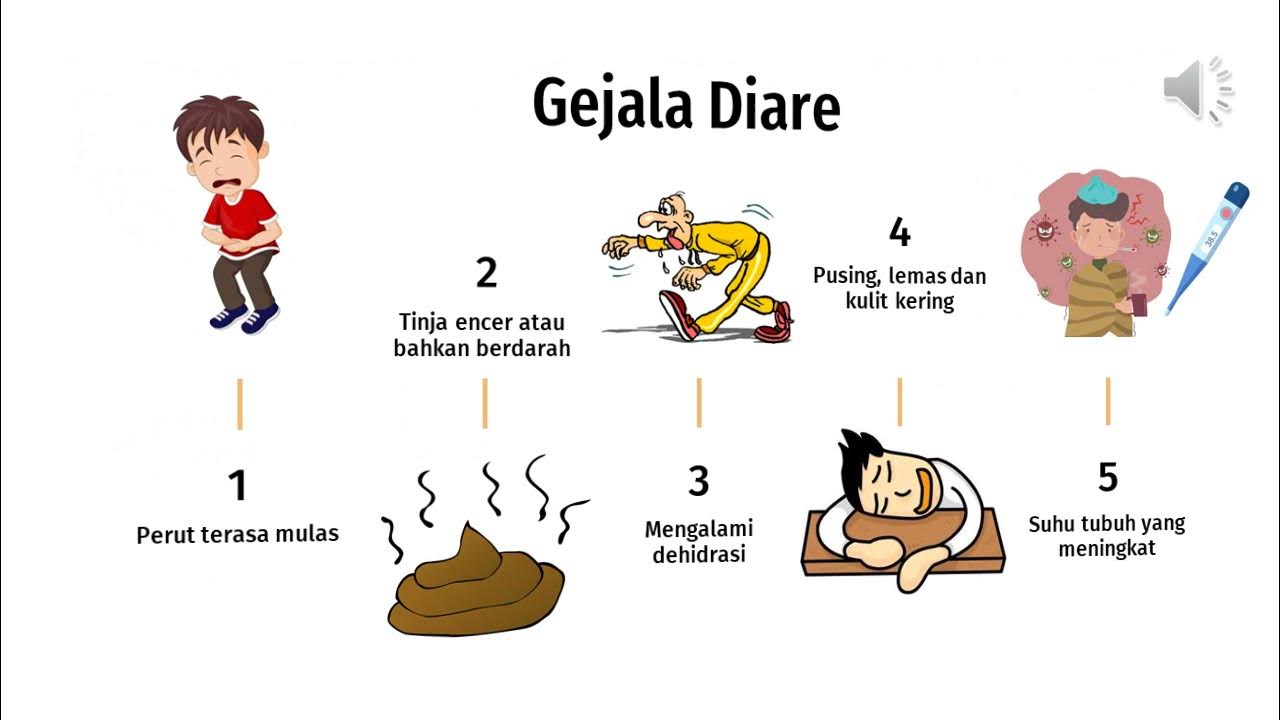
Diare: Definisi, Gejala, Klasifikasi, Patofisiologi, Etiologi, Diagnosis, Pencegahan, Pengobatan

Obstructive Shock | Shock (Part 5)

Chronic Obstructive Pulmonary Disease (COPD) Treatment Guidelines, Symptoms, Medicine Lecture USMLE

Asuhan Keperawatan Pada Pasien Dengan Gagal Ginjal Akut(GGA)

Pembagian Kelas IP Address
5.0 / 5 (0 votes)
