Neoclassical Art Period | Overview and Art Characteristics
Summary
TLDRNeoclassical art, emerging in the late 18th and early 19th centuries, was a return to the ideals of ancient Greece and Rome, emphasizing simplicity, reason, and order. Influenced by the decline of Baroque and Rococo, the writings of Johann Joachim Winckelmann, the excavations of Pompeii and Herculaneum, and the Age of Enlightenment, this movement sought to portray virtue and heroic themes. With artists like Jacques-Louis David leading the way, Neoclassicism rejected excess, focusing on serious and symmetrical designs that highlighted historical and philosophical subjects, leaving a lasting impact on art and architecture.
Takeaways
- 😀 Neoclassical art reached its height in the late 18th and early 19th centuries, beginning in Rome and spreading throughout Europe and the U.S.
- 😀 The neoclassical movement was a return to ancient Greek and Roman ideals, emphasizing simplicity, reason, order, virtue, and civilized society.
- 😀 Four key factors led to the rise of neoclassical art: 1) A pushback against Baroque and Rococo, 2) The writings of Johann Joachim Winckelmann, 3) Excavations of Pompeii and Herculaneum, and 4) The Age of Enlightenment.
- 😀 Baroque (1600-1750) was dramatic and emotional, while Rococo (early to mid-1700s) was more playful and hedonistic, both movements preceding neoclassicism.
- 😀 Neoclassicism was a reaction to the excess and frivolity of Baroque and Rococo, aiming for a more orderly and virtuous style of art.
- 😀 Johann Joachim Winckelmann, a German art historian, argued that art should strive for 'noble simplicity and calm grandeur' and that imitating the ancients was the key to greatness.
- 😀 The excavation of ancient cities like Pompeii and Herculaneum revived interest in Greek and Roman art, further promoting neoclassical ideals.
- 😀 The 18th-century Age of Enlightenment, which emphasized science, reason, and individual liberty, influenced neoclassical artists to create works that reflected these values.
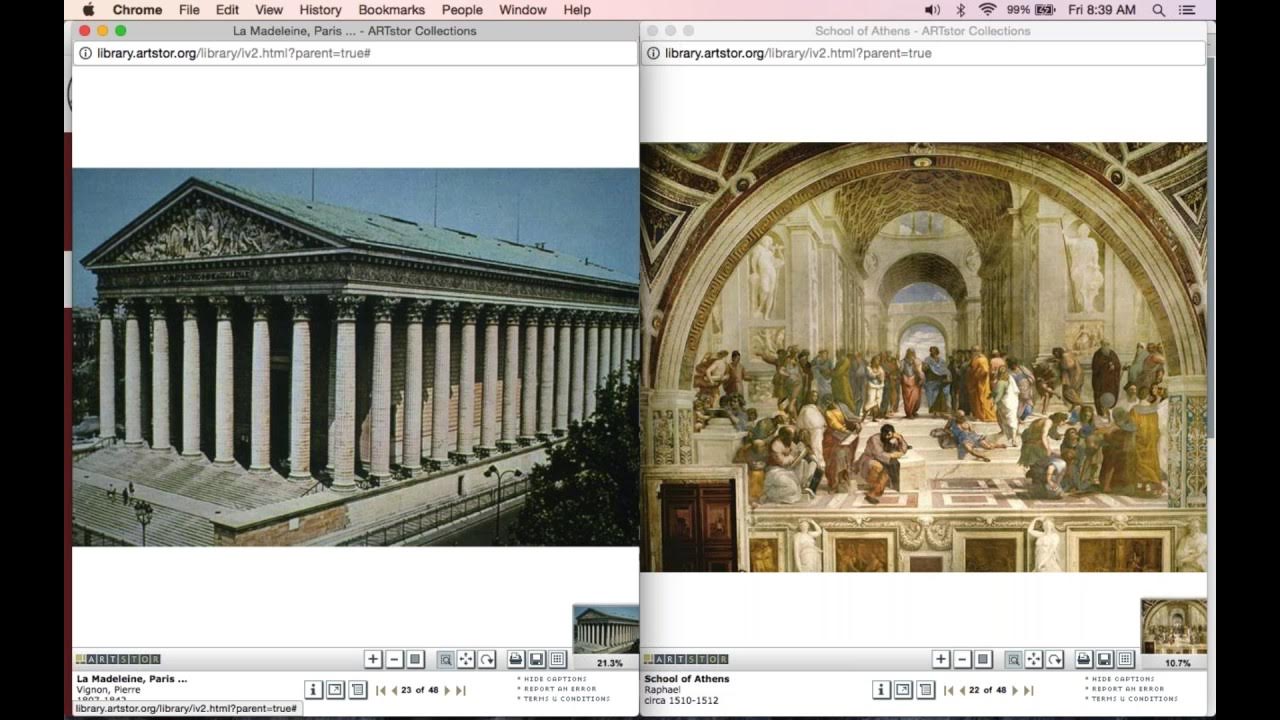
- 😀 Neoclassical art was characterized by its seriousness, symmetry, order, virtue, and heroic depictions of classical figures and leaders.
- 😀 Jacques-Louis David, a leading figure in neoclassicism, combined simplicity with drama, creating captivating art that would later evolve into political propaganda.
Q & A
What was the Neoclassical art movement a reaction to?
-The Neoclassical art movement was a reaction to the Baroque and Rococo art movements. It pushed back against the drama, emotion, and over-the-top nature of Baroque art, as well as the frivolous and hedonistic qualities of Rococo art.
Who is considered the father of art history in relation to the Neoclassical movement?
-Johann Joachim Winckelmann, a German art historian and archaeologist, is often considered the father of art history. His writings, especially in the mid-1700s, had a profound influence on the Neoclassical movement.
What role did the excavations of Pompeii and Herculaneum play in the development of Neoclassicism?
-The excavations of Pompeii and Herculaneum in Italy, which began in the mid-1730s, uncovered Roman art and architecture. This revived the study of Greek and Roman ideals and significantly influenced the development of the Neoclassical style.
How did the Age of Enlightenment influence the Neoclassical art movement?
-The Age of Enlightenment emphasized reason, science, and individual liberty. These ideals inspired Neoclassical artists to create art that was orderly, virtuous, and portrayed rational and civilized society.
What are the four main things that led to the Neoclassical art movement?
-The four main factors that led to the Neoclassical movement were: 1) A pushback against the Baroque and Rococo movements, 2) The writings of Johann Joachim Winckelmann, 3) The excavations of Pompeii and Herculaneum, and 4) The philosophical ideals of the Age of Enlightenment.
What are some of the key characteristics of Neoclassical art?
-Neoclassical art is characterized by its simplicity, order, symmetry, and focus on virtue and heroism. It often depicted classical history and figures, as well as political, philosophical, and religious leaders from the time.
How did Neoclassical artists differ from Baroque and Rococo artists?
-Neoclassical artists rejected the emotional drama of Baroque and the playful, sensual qualities of Rococo art. They focused on simplicity, reason, and classical ideals, aiming for a more restrained and orderly aesthetic.
What influence did Johann Joachim Winckelmann have on the Neoclassical movement?
-Winckelmann's writings promoted the idea that art should aim for 'noble simplicity and calm grandeur' and that the way forward for art was to imitate the Greeks and Romans. This philosophy was central to the Neoclassical movement.
Who were some of the leading figures in the Neoclassical movement?
-One of the most influential figures in the Neoclassical movement was Jacques-Louis David, a French artist known for his simple yet dramatic paintings. He became a leader of the movement and his works also became tools for political propaganda during the French Revolution.
Why might some people find Neoclassical art 'boring'?
-Some people might find Neoclassical art boring because of its simplicity and lack of the intense drama and emotional depth seen in Baroque art. However, others appreciate the classical beauty and balance that Neoclassical art brings.
Outlines

This section is available to paid users only. Please upgrade to access this part.
Upgrade NowMindmap

This section is available to paid users only. Please upgrade to access this part.
Upgrade NowKeywords

This section is available to paid users only. Please upgrade to access this part.
Upgrade NowHighlights

This section is available to paid users only. Please upgrade to access this part.
Upgrade NowTranscripts

This section is available to paid users only. Please upgrade to access this part.
Upgrade NowBrowse More Related Video




5.0 / 5 (0 votes)
