Present simple vs Present continuous first video, Presente simple vs Presente continuo primer video
Summary
TLDRThis video teaches the difference between the present simple and present continuous tenses in English. It covers the basic structures and functions of both tenses, including how to form positive, negative, and question sentences. The video highlights key usage scenarios, such as the present simple for habits, routines, and permanent actions, while the present continuous is used for actions happening right now. The content also provides common exam-style exercises, helping learners identify the correct tense through context and key words, aiming to improve their grammar skills for better test performance.
Takeaways
- 😀 The video explains the difference between the Present Simple and Present Continuous (Progressive) in English.
- 😀 Present Simple is used for habits, routines, permanent states, and scientific truths.
- 😀 Present Continuous is used for actions happening at the moment and simultaneous actions.
- 😀 The structure of Present Simple: Subject + Verb (add '-s' for third person singular).
- 😀 The structure of Present Continuous: Subject + am/is/are + Verb-ing.
- 😀 Negative sentences in Present Simple use 'do/does + not + Verb'; in Present Continuous use 'am/is/are + not + Verb-ing'.
- 😀 Questions in Present Simple start with 'Do/Does'; in Present Continuous start with 'Am/Is/Are'.
- 😀 Frequency words like 'always', 'usually', 'never' help identify Present Simple.
- 😀 Words indicating the current moment, like 'now', 'at the moment', or verbs like 'look' and 'listen', signal Present Continuous.
- 😀 When solving exercises, identify keywords first, then apply the correct tense structure, paying attention to '-s' in third person singular and '-ing' with 'to be'.
- 😀 Context matters: if there are no keywords, understanding whether the action is habitual or ongoing helps choose the correct tense.
Q & A
What is another name for the present continuous tense in English?
-The present continuous tense is also known as the present progressive tense.
How do you form a positive sentence in the present simple tense?
-A positive sentence in the present simple is formed using the subject followed by the base verb. For the third person singular, you add an 's' to the verb.
How are negative sentences formed in the present simple tense?
-Negative sentences in the present simple are formed using the auxiliary 'do' or 'does' plus 'not', followed by the base verb. Contractions like 'don't' or 'doesn't' are commonly used.
What is the structure for forming positive sentences in the present continuous tense?
-Positive sentences in the present continuous use the subject + the verb 'to be' (am/is/are) + the main verb with the '-ing' ending.
When is the present simple tense typically used?
-The present simple is used for habits, routines, repeated actions, permanent states, and general truths or scientific facts.
When should the present continuous tense be used?
-The present continuous is used for actions happening at the moment of speaking or for simultaneous actions occurring right now.
What are some common keywords that help identify the present simple tense?
-Common keywords include frequency adverbs such as 'always', 'usually', 'sometimes', 'never', 'once', and 'twice'.
Which keywords typically indicate the use of the present continuous tense?
-Keywords for the present continuous include references to the present moment such as 'now', 'at the moment', and verbs like 'listen' or 'watch' when describing ongoing actions.
How do you form questions in the present continuous tense?
-Questions in the present continuous are formed using the verb 'to be' (am/is/are) at the beginning, followed by the subject and the main verb with '-ing'.
Why is it important to pay attention to context if there are no keywords in a sentence?
-If there are no keywords, you must rely on the context to determine whether an action is habitual (present simple) or happening right now (present continuous).
How do you form negative sentences in the present continuous tense?
-Negative sentences in the present continuous use the subject + 'to be' (am/is/are) + 'not' + main verb with '-ing'. Contractions like 'isn't' or 'aren't' are also used.
What is a common mistake to watch for when using the present simple in the third person singular?
-A common mistake is forgetting to add 's' to the verb in the third person singular (he, she, it) in positive sentences.
Outlines

This section is available to paid users only. Please upgrade to access this part.
Upgrade NowMindmap

This section is available to paid users only. Please upgrade to access this part.
Upgrade NowKeywords

This section is available to paid users only. Please upgrade to access this part.
Upgrade NowHighlights

This section is available to paid users only. Please upgrade to access this part.
Upgrade NowTranscripts

This section is available to paid users only. Please upgrade to access this part.
Upgrade NowBrowse More Related Video

All English tenses in 20 minutes | Present, Past, Future | Simple, Continuous, Perfect
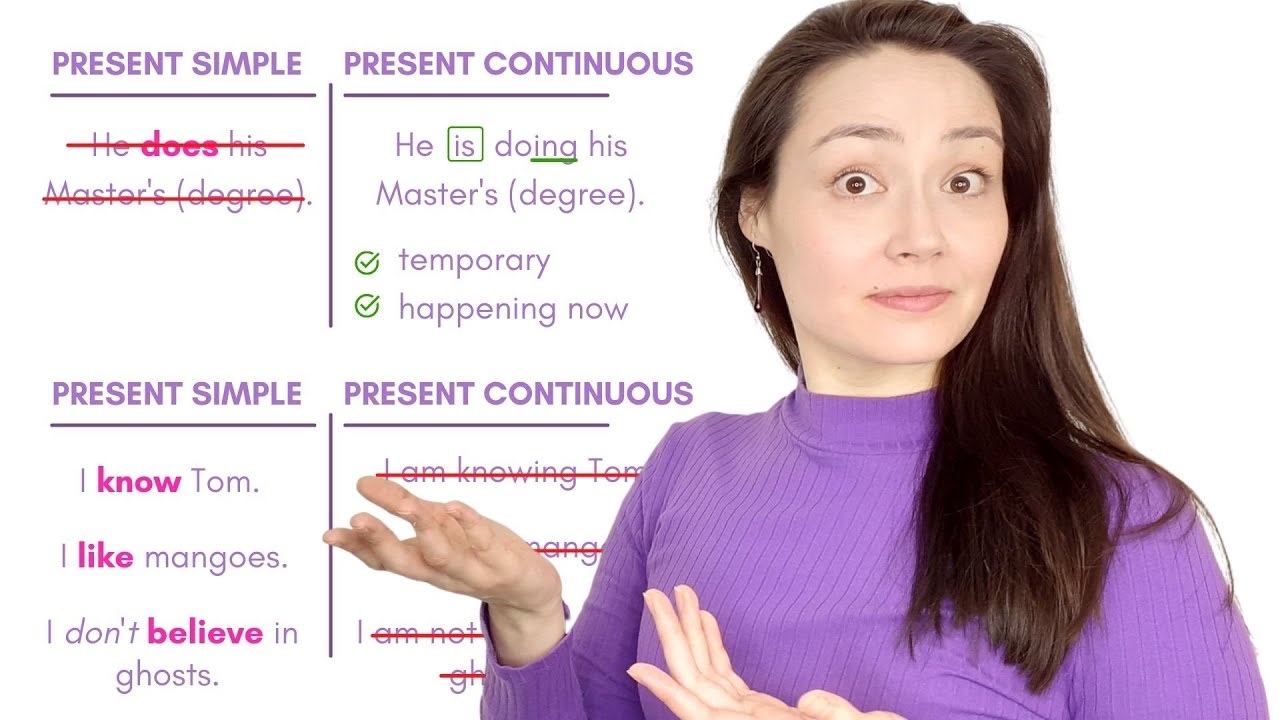
PRESENT SIMPLE and PRESENT CONTINUOUS | the complete grammar guide
Master 12 English Tenses In Just 10 Minutes | English Grammar Lesson To Learn All Verb Tenses
5 TENSES DASAR WAJIB KAMU TAHU (CARA MUDAH BELAJAR TENSES)
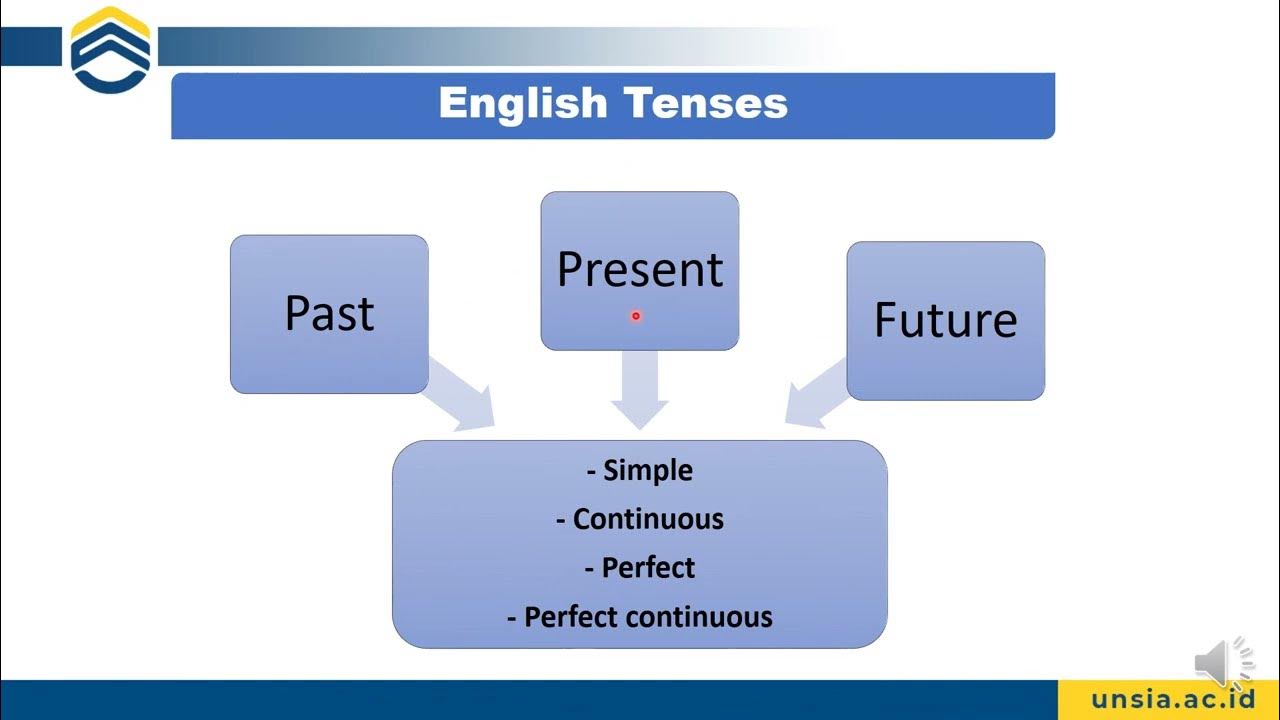
Sesi 5 MKU Bahasa Inggris Present Tense

English Grammar: All 4 Present Tenses
5.0 / 5 (0 votes)
