Cómo Escribir Una Historia muy Profunda
Summary
TLDRThis video explores the art of crafting character-driven stories, where the plot is propelled by characters' internal conflicts and desires rather than external events. It emphasizes the importance of drama and theme, explaining how a protagonist's deep void or longing shapes their actions and decisions. The guide provides practical tips on developing multidimensional, believable characters through detailed biographies, varied scenarios, and scene-by-scene progression. By focusing on relatable desires and internal struggles, writers can create engaging narratives that keep audiences invested, encouraging them to reflect on characters' choices and the human condition. The result is a story that feels organic, compelling, and emotionally resonant.
Takeaways
- 🎭 All stories are driven by drama, and drama comes from conflict—without conflict, there is no story.
- 🧍 Characters are the primary source of conflict, and their actions are what move a story forward.
- ⚖️ Every story is built on two core elements: drama (which drives the plot) and theme (which gives meaning).
- 🧠 Character-driven stories focus on internal conflict rather than external events.
- 💔 Internal conflicts include emotions like fear, loneliness, love, or past trauma that shape a character’s decisions.
- 🎬 Writers must externalize internal struggles so they can be seen and understood by the audience.
- 🧩 Strong character-driven stories require complex, multidimensional characters to remain engaging.
- 🤝 Characters reveal their depth through interactions with others and their environment.
- 📖 Writing scene by scene helps develop the story organically, with each scene having its own direction and purpose.
- 📝 Creating detailed character biographies helps ensure consistent and believable behavior throughout the story.
- 🎯 A character’s deep desire is the key driving force behind their actions and the story’s progression.
- 🕳️ This desire often stems from an internal “void” the character is trying to fill, known as their emotional need.
- 🔥 The stronger the character’s internal void, the more compelling their actions and the story become.
- ⚡ Audiences engage more when they understand a character’s motivations—even if they don’t agree with their actions.
- 🚫 If a character lacks a meaningful desire or gives up easily, the audience will lose interest.
- 💡 There are no strict formulas for storytelling, but understanding these tools helps create more powerful narratives.
Q & A
What is the main focus of a character-driven story?
-A character-driven story focuses on the development, desires, and internal conflicts of the characters, which drive the narrative forward rather than external events.
What are the two fundamental elements of any story according to the script?
-The two fundamental elements are drama, which provides conflict and drives the plot, and theme, which gives the story meaning and philosophical depth.
Why are internal conflicts important in character-driven stories?
-Internal conflicts are important because they make characters realistic and relatable, showing their struggles with fears, past traumas, or personal desires that influence their actions.
How can a writer ensure their characters act consistently throughout a story?
-Writers can ensure consistency by creating detailed character biographies and testing their behavior in hypothetical situations to understand how they would react in different scenarios.
What is meant by a character's 'desire' or 'void' in the context of the story?
-A character's 'desire' or 'void' is a deep, personal need or goal that drives their actions. It is the emotional core that motivates them to overcome obstacles and pursue their objectives.
How does a character's void influence the story's action?
-A strong void ensures the character is active and continuously striving to fill it, creating tension, suspense, and engagement for the audience as the character faces challenges.
What role does interaction with other characters play in a character-driven story?
-Interactions reveal different facets of a character, show their opinions and reactions, and help advance the plot organically based on character choices rather than forced events.
Why should scenes be developed individually when writing a character-driven story?
-Each scene should have its own focus and trajectory, allowing characters' actions and decisions to naturally influence the story, ensuring coherence and depth in the narrative.
How does understanding human nature contribute to writing character-driven stories?
-Understanding human nature helps writers create believable, complex characters whose actions, desires, and conflicts feel authentic and relatable to the audience.
What makes a character especially engaging for the audience?
-A character becomes engaging when their actions are motivated by a deep desire or void, when their moral dilemmas are understandable, and when the audience can empathize with their struggles and decisions.
Can a character resist change and still drive a story?
-Yes, a character can resist change as part of their internal conflict. This resistance can serve as a desire in itself, creating tension and driving the story as they confront challenges without willingly transforming.
Why is it important for a character's desire to be meaningful rather than trivial?
-A meaningful desire ensures the character's actions carry weight and emotional impact, keeping the audience invested in the story and the character’s journey.
Outlines

Этот раздел доступен только подписчикам платных тарифов. Пожалуйста, перейдите на платный тариф для доступа.
Перейти на платный тарифMindmap

Этот раздел доступен только подписчикам платных тарифов. Пожалуйста, перейдите на платный тариф для доступа.
Перейти на платный тарифKeywords

Этот раздел доступен только подписчикам платных тарифов. Пожалуйста, перейдите на платный тариф для доступа.
Перейти на платный тарифHighlights

Этот раздел доступен только подписчикам платных тарифов. Пожалуйста, перейдите на платный тариф для доступа.
Перейти на платный тарифTranscripts

Этот раздел доступен только подписчикам платных тарифов. Пожалуйста, перейдите на платный тариф для доступа.
Перейти на платный тарифПосмотреть больше похожих видео
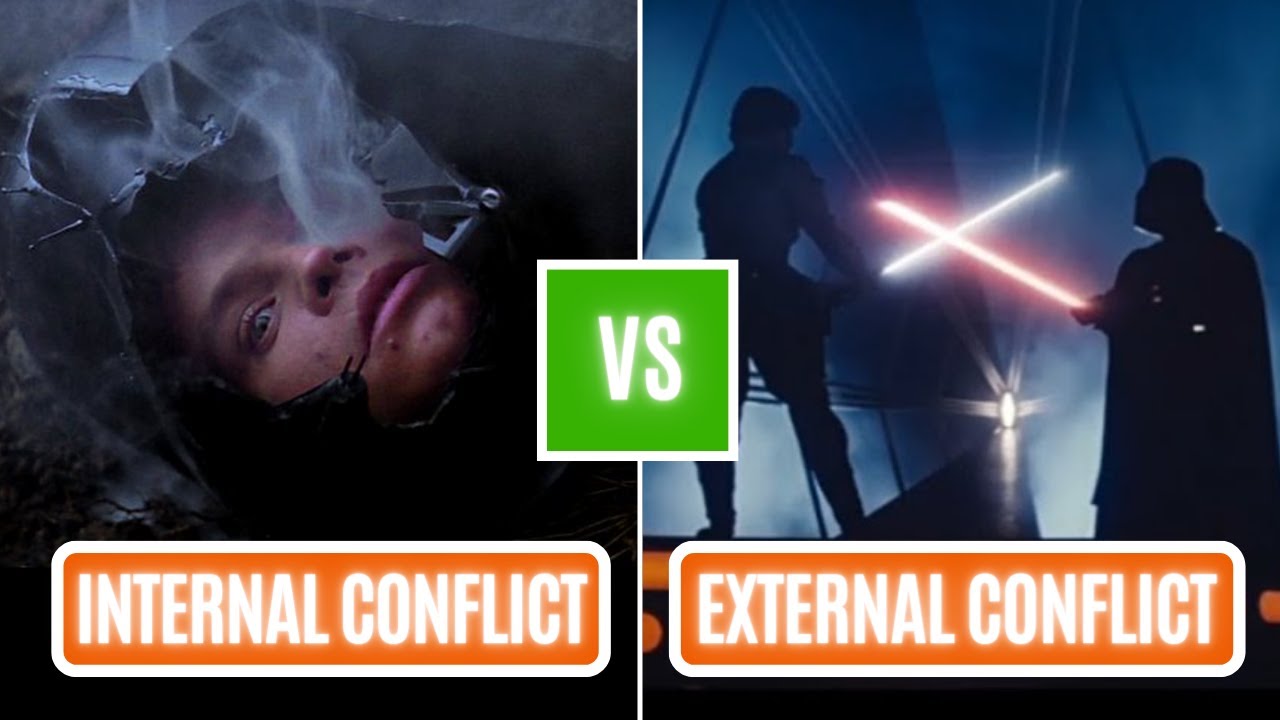
Internal Conflict VS External Conflict (Writing Advice)

Types of Conflict | ENGLISH 7 || MATATAG Curriculum LESSON | QUARTER 2| LESSON 1 - Week 2

How to Build a Meaningful Plot Twist

7 Cringeworthy MISTAKES Beginner Writers Make ❌ (avoid these pitfalls!)

9 Things Your Character Needs to Be Awesome

How to Write a Hook For Your Story
5.0 / 5 (0 votes)

