FINTECH REGULATION EXPLAINED : EVERYTHING YOU NEED TO KNOW
Summary
TLDRThis video discusses the crucial role of regulation in the success of fintech startups. It explores how regulatory frameworks can protect consumers, ensure market stability, and foster innovation, while also posing challenges for startups trying to scale. Key examples, such as the downfall of Mt. Gox and the implementation of PSD2 in Europe, highlight both the risks of inadequate regulation and the benefits of well-designed frameworks. The video also offers insights on how fintech companies can navigate regulations and stay ahead by leveraging technology, engaging with regulators, and maintaining robust compliance programs.
Takeaways
- 🚀 Regulation is one of the most critical factors determining the success or failure of fintech startups.
- ⚖️ Fintech regulation is a double-edged sword—it can both enable innovation and restrict growth if not managed properly.
- 📜 Regulation refers to rules set by authorities to ensure fairness, security, and stability in financial activities.
- 🛡️ The primary goals of fintech regulation include consumer protection, market stability, fair competition, and promoting innovation.
- 💥 Lack of regulation can lead to major failures, as seen in the Mt. Gox collapse, which caused massive financial losses and reduced trust in crypto markets.
- 🌍 Regulatory differences across countries create challenges for fintech companies trying to scale internationally.
- ⚡ Rapid technological advancements often outpace regulation, resulting in outdated or ineffective rules.
- 🔓 Enabling regulations like PSD2 in Europe promote open banking, increasing competition and innovation in financial services.
- 💸 Clear regulatory frameworks boost investor confidence, encouraging more funding and growth in fintech ventures.
- ⚠️ Overregulation can stifle innovation, while under-regulation can lead to risks—finding the right balance is essential.
- 🤝 Collaboration between regulators and fintech companies (e.g., regulatory sandboxes) helps create effective and practical policies.
- 📊 Fintech startups should understand regulations, engage with authorities, and implement strong compliance systems to succeed.
- 🧠 Leveraging regulatory technology (RegTech) can help automate compliance, monitoring, and risk management processes.
- 🔍 Transparency and accountability within organizations are crucial for maintaining trust and meeting regulatory requirements.
- 🔮 Future trends include increased AI regulation, global regulatory harmonization, stronger data protection laws, and the rise of supervisory technology (SupTech).
Q & A
What is the role of regulation in the success or failure of a fintech startup?
-Regulation plays a crucial role in the success of fintech startups by providing a framework for consumer protection, market stability, and fair competition. However, it can also present challenges, particularly when innovation is stifled by excessive regulation or when regulatory environments vary across different countries.
Why are regulations necessary in the fintech industry?
-Regulations are necessary to ensure that financial products and services are safe, secure, and fair for consumers. They also help maintain the stability of the financial system, prevent fraud, protect data, and foster innovation by setting clear standards for the industry.
Can you provide an example of how a lack of regulation led to a major fintech failure?
-One example is the case of Mt. Gox, a cryptocurrency exchange that lacked regulatory oversight. Due to inadequate security protocols and transparency, the platform experienced multiple security breaches, eventually leading to the loss of $450 million in Bitcoin and its bankruptcy in 2014.
What are the four main objectives of fintech regulation?
-The four main objectives of fintech regulation are: 1) Consumer protection, to safeguard users from fraud and unfair practices; 2) Market stability, to ensure smooth financial operations; 3) Fair competition, to prevent monopolies and promote a level playing field; and 4) Promoting innovation, to create a regulatory environment that encourages technological advancement.
What is PSD2 and how does it support innovation in the fintech sector?
-The Payment Services Directive 2 (PSD2) is a European Union regulation that promotes open banking. It requires banks to share payment services and customer data with third-party providers, fostering innovation by allowing fintech companies to create new products and services based on this data.
What is the main challenge when regulating fintech across different countries?
-One of the biggest challenges is the disparity in regulatory environments across countries. Each nation has its own rules, which can create difficulties for fintech companies looking to scale internationally. This requires significant resources and expertise to navigate varying regulations.
How does the rapid pace of technological change impact fintech regulation?
-The fast pace of technological development, such as the rise of blockchain, AI, and the metaverse, often outpaces the ability of regulators to update or create relevant regulations. This results in outdated or lagging regulations that may not adequately address new risks or technologies.
What opportunities does regulation create for fintech companies?
-Regulation can create opportunities by lowering entry barriers for new players, enhancing security through mandatory cybersecurity measures, and boosting investor confidence by providing a clear regulatory framework. These factors collectively help to foster a more competitive and innovative market.
What are the key aspects of effective fintech regulation?
-Effective fintech regulation should be proportionate to the risks involved, flexible to accommodate technological advancements, fast enough to keep up with changes, and developed through collaboration with industry stakeholders to protect consumers without stifling innovation.
What are some recommendations for fintech startups to navigate regulation successfully?
-Startups should thoroughly understand the regulatory landscape, engage with regulatory bodies, implement robust internal compliance programs, leverage technology for compliance, and foster a culture of transparency and accountability within the organization.
Outlines

Этот раздел доступен только подписчикам платных тарифов. Пожалуйста, перейдите на платный тариф для доступа.
Перейти на платный тарифMindmap

Этот раздел доступен только подписчикам платных тарифов. Пожалуйста, перейдите на платный тариф для доступа.
Перейти на платный тарифKeywords

Этот раздел доступен только подписчикам платных тарифов. Пожалуйста, перейдите на платный тариф для доступа.
Перейти на платный тарифHighlights

Этот раздел доступен только подписчикам платных тарифов. Пожалуйста, перейдите на платный тариф для доступа.
Перейти на платный тарифTranscripts

Этот раздел доступен только подписчикам платных тарифов. Пожалуйста, перейдите на платный тариф для доступа.
Перейти на платный тарифПосмотреть больше похожих видео
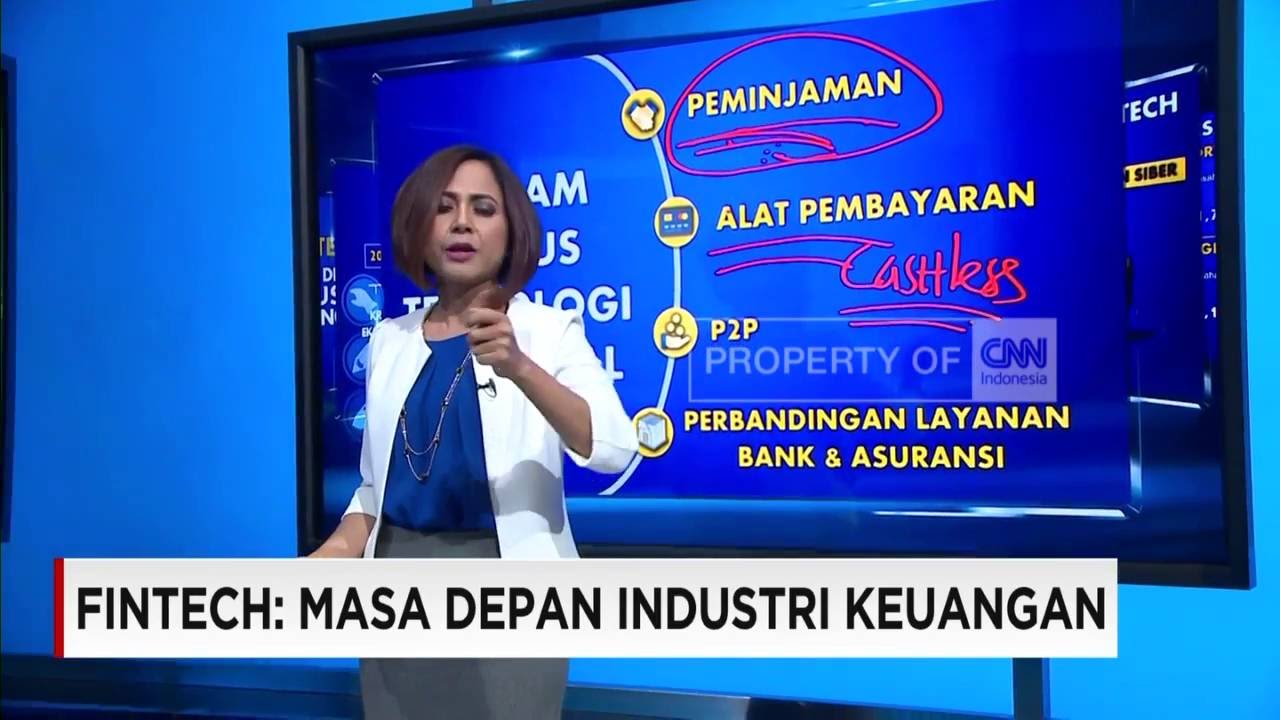
Fintech, Masa Depan Industri Keuangan

FINTECH 2.0 - THE FUTURE OF FINTECH

What does the future of the Islamic economy look like?

Fintech is Dead, Long Live Fintech | Vikram Vaidyanathan on the Future of Fintech | Razorpay FTX 24

SFF 2024 | Unlocking Financial Access: Boost’s Transformation From E-wallet Into Digital Bank

Why Big Business Is Getting So… Dumb…
5.0 / 5 (0 votes)

