Apa Arti Huruf G pada Jaringan HP ? Revolusi Jaringan 1G hingga Jaringan 5G | Cara Kerja Jaringan 5G
Summary
TLDRThis video traces the evolution of mobile networks from 1G to 5G, highlighting how each generation revolutionized communication. From the early analog 1G network with simple voice calls to 2G's digital SMS, 3G’s mobile internet, 4G’s fast data streaming, and the ultra-fast, low-latency 5G enabling technologies like autonomous cars and smart cities. The journey of mobile networks showcases how they’ve continuously transformed the way we connect, communicate, and experience the digital world, leading us toward a future of innovations like 6G with even more possibilities.
Takeaways
- 📱 The 'G' in 3G, 4G, and 5G stands for 'Generation', indicating the evolution of mobile network technology.
- 🔊 1G (1979–1990) was analog, supporting only voice calls, with low security and poor sound quality.
- 💬 2G (1991–2000) introduced digital networks, SMS, MMS, and early mobile internet with better clarity and security.
- 🌐 3G (2001–2008) enabled mobile internet, social media, video calls, and data alongside voice through dual-core network architecture.
- 🚀 4G (2009) brought all-IP networks, high-speed broadband, VoLTE, and supported seamless online activities like streaming, gaming, and remote work.
- ⚡ 5G (2019) offers ultra-high speed (up to 10 Gbps), very low latency (<1 ms), and supports advanced applications such as autonomous vehicles and smart cities.
- 🛰️ 5G uses technologies like New Radio (NR), cloud-native core networks, and network slicing to allocate dedicated channels for specific applications.
- 📈 Each new generation significantly increases network capacity, speed, reliability, and the range of applications for consumers and industries.
- 🌍 Mobile networks have transformed daily life: from basic voice communication (1G) to becoming a central hub for digital life (5G).
- 🤔 The future with 6G remains speculative but is expected to bring further revolutionary capabilities, continuing the trend of technological leaps.
Q & A
What does the 'G' in 3G, 4G, and 5G represent?
-The 'G' stands for 'Generation,' referring to the different stages of mobile network technology that have evolved over time, with each generation introducing new capabilities.
What was the main limitation of the 1G mobile network?
-1G was an analog network, which led to poor signal quality, high susceptibility to interference, and the lack of encryption, meaning conversations could be intercepted easily.
How did 2G improve upon 1G?
-2G switched from analog to digital technology, improving voice clarity, network security, and capacity. It also introduced SMS (Short Message Service), which revolutionized text-based communication.
What major innovation did 3G bring to mobile networks?
-3G introduced mobile internet, allowing users to browse the web, video call, and use social media like Facebook and YouTube, significantly enhancing mobile communication and entertainment.
What is the main difference between the voice and data transmission in 3G?
-In 3G, voice calls used a 'circuit switch' system, while data used a 'packet switch' system. This dual core setup allowed for stable voice calls and faster internet access.
What impact did 4G have on mobile communication?
-4G drastically improved internet speeds, making activities like HD video streaming, online gaming, and video calls much smoother. It also shifted all communication, including voice calls, to data-based systems using LTE (Long-Term Evolution).
What is the significance of network slicing in 5G?
-Network slicing allows 5G to divide its network into multiple segments, each dedicated to specific applications like gaming, IoT, autonomous vehicles, or even remote surgery, optimizing performance for each use case.
How does 5G differ from previous generations in terms of speed and latency?
-5G offers speeds up to 10 Gbps, which is much faster than previous generations, and features incredibly low latency (under 1 millisecond), enabling real-time interactions for advanced technologies like autonomous vehicles and virtual reality.
What is the potential future impact of 6G, based on current technological trends?
-Although still in the early stages of development, 6G could introduce technologies like teleportation, instant food downloading, and further advancements in virtual reality, pushing the boundaries of what we can achieve in mobile connectivity.
What were the first countries to launch 5G commercially?
-South Korea, the United States, and China were the first countries to launch 5G commercially in 2019, marking a new era in mobile network technology.
Outlines

Этот раздел доступен только подписчикам платных тарифов. Пожалуйста, перейдите на платный тариф для доступа.
Перейти на платный тарифMindmap

Этот раздел доступен только подписчикам платных тарифов. Пожалуйста, перейдите на платный тариф для доступа.
Перейти на платный тарифKeywords

Этот раздел доступен только подписчикам платных тарифов. Пожалуйста, перейдите на платный тариф для доступа.
Перейти на платный тарифHighlights

Этот раздел доступен только подписчикам платных тарифов. Пожалуйста, перейдите на платный тариф для доступа.
Перейти на платный тарифTranscripts

Этот раздел доступен только подписчикам платных тарифов. Пожалуйста, перейдите на платный тариф для доступа.
Перейти на платный тарифПосмотреть больше похожих видео

Evolution of Mobile Standards [1G, 2G, 3G, 4G, 5G]

Generaciones de la Telefonía Movil

Everything You Need to Know About 5G
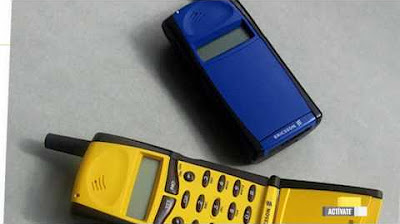
[MOOC] - Apps para dispositivos móviles (ed. 2016) - Generaciones de telefonía móvil
Lecture 01 : Course Introduction
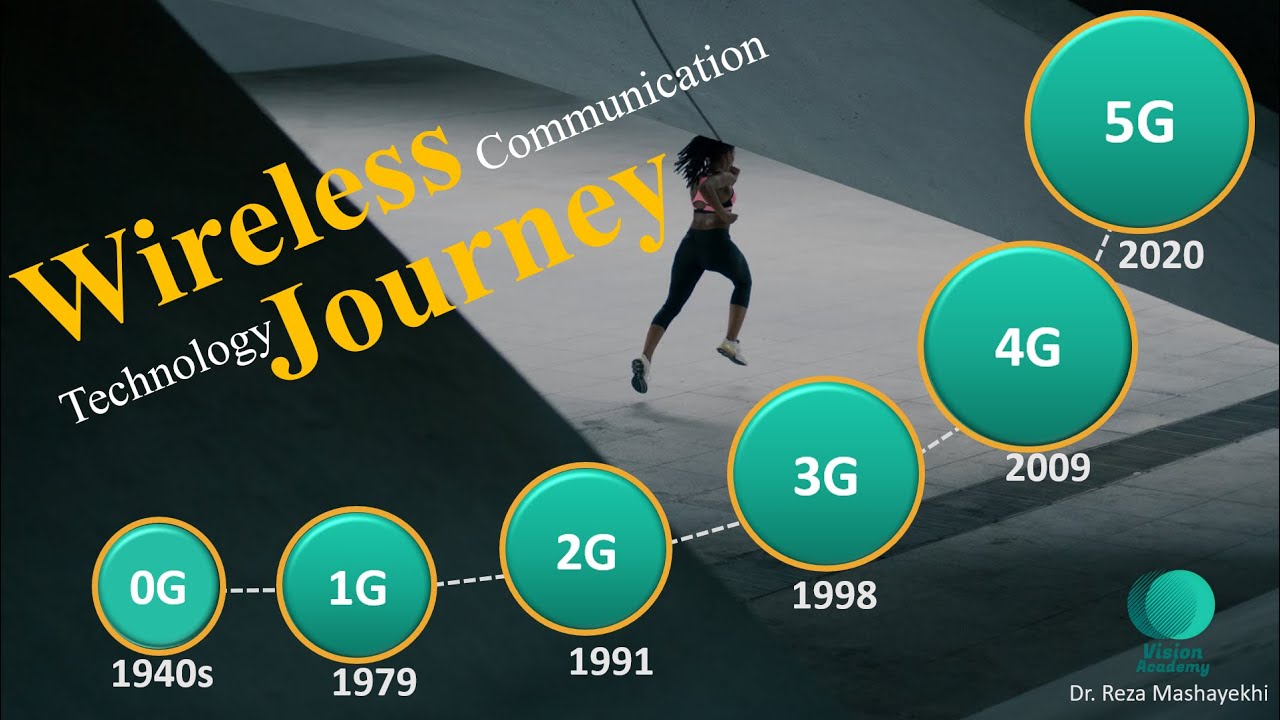
What are 0G, 1G, 2G, 3G, 4G, 5G Cellular Mobile Networks - History of Wireless Telecommunications
5.0 / 5 (0 votes)

