O que é Malware, como detectar e se proteger
Summary
TLDRThis video delves into the world of malware, explaining what it is, how it spreads, and how to protect your systems from infections. It covers various types of malware including viruses, Trojans, spyware, ransomware, and botnets, and discusses how they can be delivered through phishing emails, downloads, and compromised websites. The video emphasizes the importance of cybersecurity practices like using antivirus software, backing up data, and staying vigilant against suspicious links and attachments. It also highlights the significant financial impact of malware and provides practical advice on detecting and removing infections.
Takeaways
- 😀 Malware is any software designed to harm, exploit, or steal data from systems or devices.
- 😀 'Malware' is a general term that encompasses various types of malicious software, including viruses, Trojans, spyware, and ransomware.
- 😀 Malware can be used for various harmful purposes like stealing data, extorting money, damaging systems, and cyber warfare.
- 😀 Phishing emails are one of the most common ways malware spreads, often containing malicious links or attachments.
- 😀 38% of malware is hidden in Microsoft Office files, such as Word and Excel documents, making them common infection vectors.
- 😀 The global cost of malware-related damage is expected to reach $6 trillion by 2020, with small businesses being major targets.
- 😀 Antivirus software and firewalls are critical defenses against malware, but they must be regularly updated to be effective.
- 😀 Malware can infect a wide range of devices, including PCs, smartphones, tablets, and even IoT devices.
- 😀 Regular backups of important files are crucial in case of a malware infection, as they allow you to restore lost data.
- 😀 To recover from a malware infection, isolate the infected machine, use specialized malware removal tools, and change all passwords.
- 😀 Famous malware examples like Love Bug and Melissa caused significant damage globally, affecting millions of machines and networks.
Q & A
What is malware?
-Malware is a general term for malicious software or code designed to harm individuals, organizations, or systems by stealing data, damaging devices, or disrupting operations.
Is malware the same as a virus?
-No, a virus is just one type of malware. Malware is a broad category that includes viruses, trojans, ransomware, spyware, worms, and more.
What are some common types of malware?
-Common types include viruses, trojans (cavalos de troia), spyware, worms, ransomware, botnets, rootkits, and keyloggers.
What is the main purpose of malware?
-Malware is typically created to steal sensitive data, extort money, damage systems, disrupt operations, or gain unauthorized access to devices.
Can malware ever be used legitimately?
-Yes, malware-like tools can be used in controlled environments for security testing or as cyber weapons in warfare scenarios.
How do malware infections usually occur?
-Infections commonly happen through phishing emails, malicious attachments, fake downloads, compromised websites, and infected removable media like USB drives.
Why is phishing a major threat vector?
-Because many attacks begin with deceptive emails that trick users into clicking malicious links or downloading infected files.
What are common signs of a malware infection?
-Symptoms include slow system performance, frequent crashes, high CPU usage, unusual network activity, missing or altered files, antivirus malfunction, and unexpected browser changes.
What are the financial impacts of malware attacks on organizations?
-Malware attacks can cause massive losses, including data breach costs reaching millions of dollars and global damages estimated in trillions.
What preventive measures can protect against malware?
-Users should avoid suspicious links, download software only from official sources, keep systems updated, use antivirus software, enable firewalls, and be cautious with emails and attachments.
Why is backing up data important in cybersecurity?
-Backups ensure that important files can be restored if they are lost, corrupted, or encrypted by malware such as ransomware.
What should you do if your system is infected with malware?
-You should isolate the infected device, identify the malware, use removal tools or antivirus software, perform a full system scan, change all passwords, and reinstall the system if necessary.
Why is it important to disconnect an infected machine from the network?
-Disconnecting prevents the malware from spreading to other devices and limits further damage within the network.
What role does antivirus software play in protection?
-Antivirus software helps detect, block, and remove malware, but it must be kept updated and should not be pirated to ensure effectiveness.
Are only computers at risk of malware infection?
-No, malware can infect smartphones, tablets, smart TVs, and IoT devices, making all connected devices potential targets.
Outlines

Этот раздел доступен только подписчикам платных тарифов. Пожалуйста, перейдите на платный тариф для доступа.
Перейти на платный тарифMindmap

Этот раздел доступен только подписчикам платных тарифов. Пожалуйста, перейдите на платный тариф для доступа.
Перейти на платный тарифKeywords

Этот раздел доступен только подписчикам платных тарифов. Пожалуйста, перейдите на платный тариф для доступа.
Перейти на платный тарифHighlights

Этот раздел доступен только подписчикам платных тарифов. Пожалуйста, перейдите на платный тариф для доступа.
Перейти на платный тарифTranscripts

Этот раздел доступен только подписчикам платных тарифов. Пожалуйста, перейдите на платный тариф для доступа.
Перейти на платный тарифПосмотреть больше похожих видео

Apa itu Malware? Pengertian dan Cara Mengatasinya
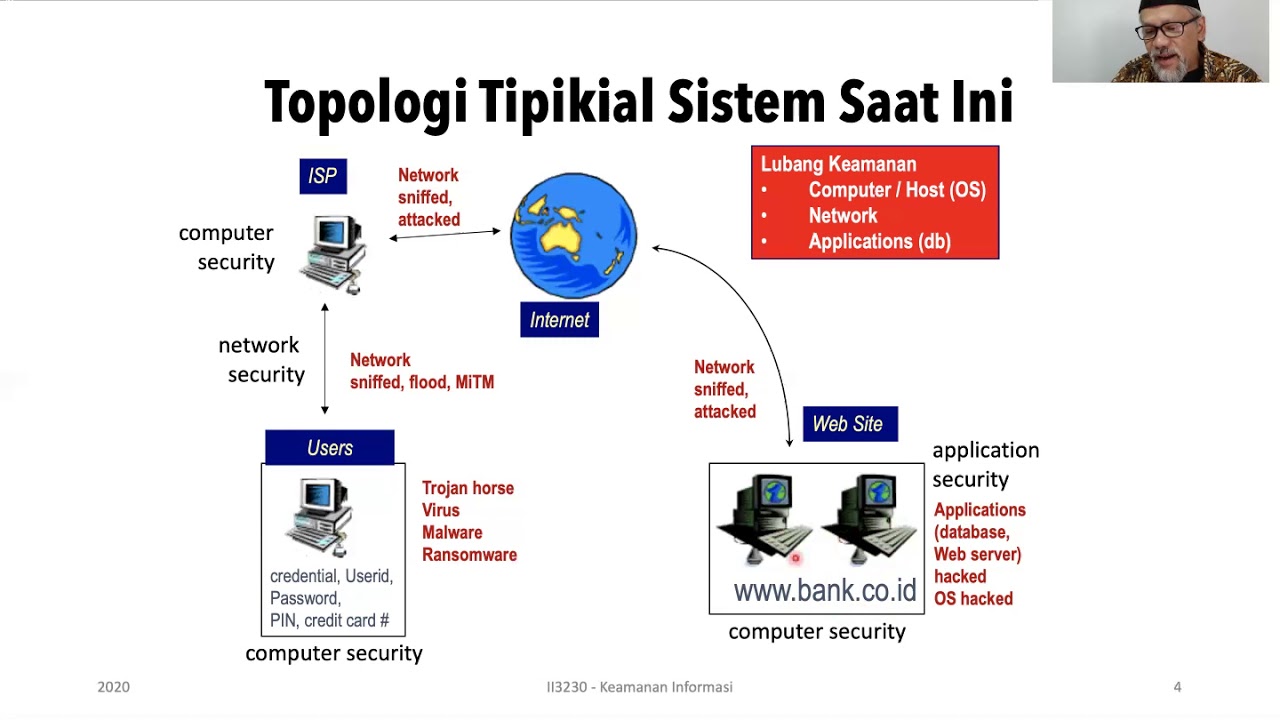
Keamanan Informasi: Prinsip Keamanan (section 2)
NEW 2025 EXAM - IB Biology C3.2 - Defense Against Disease PART 1 [SL/HL] - Interactive Lecture

How Does Antivirus and Antimalware Software Work?

Phishing - CompTIA Security+ SY0-701 - 2.2
64. EDEXCEL GCSE (1CP2) How hackers exploit technical vulnerabilities
5.0 / 5 (0 votes)

