SUMBER DAYA ALAM TERLENGKAP : PENGERTIAN - JENIS - MANFAAT - CONTOH SOAL DAN KESIMPULAN
Summary
TLDRThis educational video teaches children about natural resources, explaining their definition, types, and uses. It distinguishes between living (biotic) and non-living (abiotic) resources, as well as renewable and non-renewable resources, highlighting examples such as plants, animals, sunlight, minerals, and fossil fuels. The video also explores how humans utilize these resources for food, energy, clothing, tools, and jewelry, emphasizing responsible and sustainable usage. Interactive examples and a practice question reinforce understanding, making the lesson engaging and practical. Overall, it encourages young learners to appreciate and wisely manage natural resources for long-term benefits.
Takeaways
- 😀 Sumber Daya Alam (Natural Resources) are things from nature that humans can use to meet their needs.
- 😀 There are two types of natural resources: biotic (living things like plants and animals) and abiotic (non-living things like sunlight and minerals).
- 😀 Non-renewable resources cannot be replaced once used, such as oil, coal, and minerals.
- 😀 Renewable resources can be replaced and are available indefinitely when managed wisely, such as sunlight, water, and plants.
- 😀 Examples of renewable resources include food (plants and animals), electricity (solar and wind), and raw materials for clothes (cotton).
- 😀 Examples of non-renewable resources include oil (used for fuel) and precious metals like gold and silver.
- 😀 Solar energy, wind energy, and hydropower are all renewable sources that can be used to generate electricity.
- 😀 Sumber Daya Alam can be used in various ways, such as food production, energy generation, making cosmetics, and creating clothing.
- 😀 To ensure sustainable use of resources, humans must be careful not to overuse or deplete non-renewable resources like oil and minerals.
- 😀 The key difference between renewable and non-renewable resources is that renewable resources can regenerate, while non-renewable resources cannot.
Q & A
What is the definition of natural resources according to the video?
-Natural resources are anything that comes from nature and can be used to meet human needs.
What are the two main categories of natural resources based on life forms?
-Natural resources are categorized into biotic (living) resources, which include plants and animals, and abiotic (non-living) resources, such as sunlight, water, wind, and minerals.
What does 'renewable natural resources' mean?
-Renewable natural resources are those that will not run out or become extinct if used wisely, such as plants, animals, water, sunlight, wind, and soil.
Can you give examples of non-renewable natural resources?
-Non-renewable natural resources include mineral resources and fossil fuels, such as oil, coal, diamonds, gold, and silver, which can be exhausted if used excessively.
How can renewable natural resources be used as food?
-Renewable resources like plants and animals can be used as food: crops such as rice, corn, and vegetables provide carbohydrates; livestock like cows provide milk and meat; and poultry such as chickens and ducks provide eggs and meat.
What are some ways renewable resources can be used to generate electricity?
-Renewable resources like sunlight can be used with solar panels, water can be used in hydropower, wind can be harnessed with wind turbines, and heat or steam can be used to generate electricity.
List three uses of non-renewable natural resources mentioned in the video.
-Non-renewable natural resources can be used as fuel (like gasoline and diesel), as raw materials for tools and equipment (like iron, copper, and nickel), and as materials for jewelry (like gold, silver, and diamonds).
What is the main difference between renewable and non-renewable resources?
-The main difference is that non-renewable resources can run out if used carelessly, while renewable resources can be used continuously if managed properly.
Why is it important to use natural resources wisely?
-Using natural resources wisely ensures that we can continue to benefit from them over time, prevents resource depletion, and supports sustainable living.
Provide an example of a non-renewable resource used in road construction.
-Asphalt, derived from petroleum, is a non-renewable resource commonly used as a material for constructing roads.
Give an example of a renewable resource used for clothing.
-Cotton, which comes from plants, is a renewable resource used as a raw material for making clothing.
What is the role of sunlight, wind, and water in human life according to the video?
-Sunlight, wind, and water are abiotic renewable resources that can be used for energy generation, daily life needs, and other applications, demonstrating that even non-living resources are valuable for human activities.
Outlines

Этот раздел доступен только подписчикам платных тарифов. Пожалуйста, перейдите на платный тариф для доступа.
Перейти на платный тарифMindmap

Этот раздел доступен только подписчикам платных тарифов. Пожалуйста, перейдите на платный тариф для доступа.
Перейти на платный тарифKeywords

Этот раздел доступен только подписчикам платных тарифов. Пожалуйста, перейдите на платный тариф для доступа.
Перейти на платный тарифHighlights

Этот раздел доступен только подписчикам платных тарифов. Пожалуйста, перейдите на платный тариф для доступа.
Перейти на платный тарифTranscripts

Этот раздел доступен только подписчикам платных тарифов. Пожалуйста, перейдите на платный тариф для доступа.
Перейти на платный тарифПосмотреть больше похожих видео

Magnet | Sifat-Sifat dan Jenis-Jenis Magnet | IPA Kelas 6 SD | Tema 5 | Semester 1
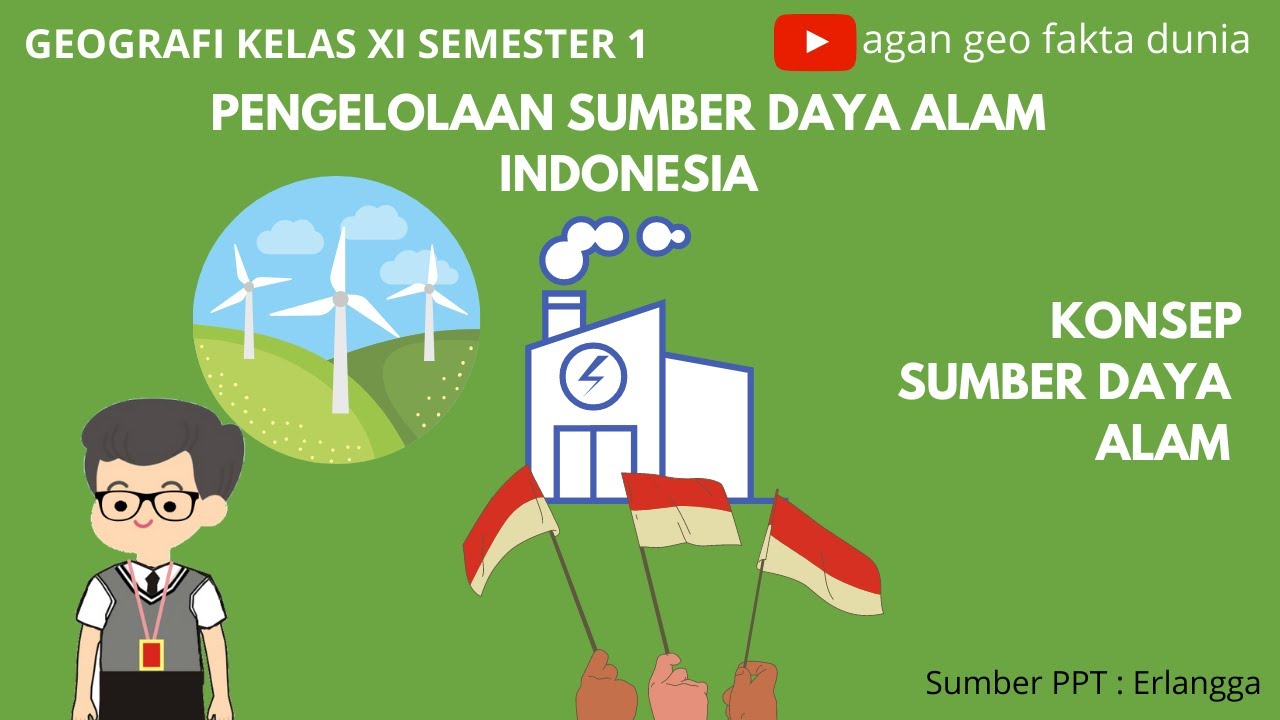
Pengelolaan Sumber Daya Alam Indonesia - Konsep Sumber Daya Alam
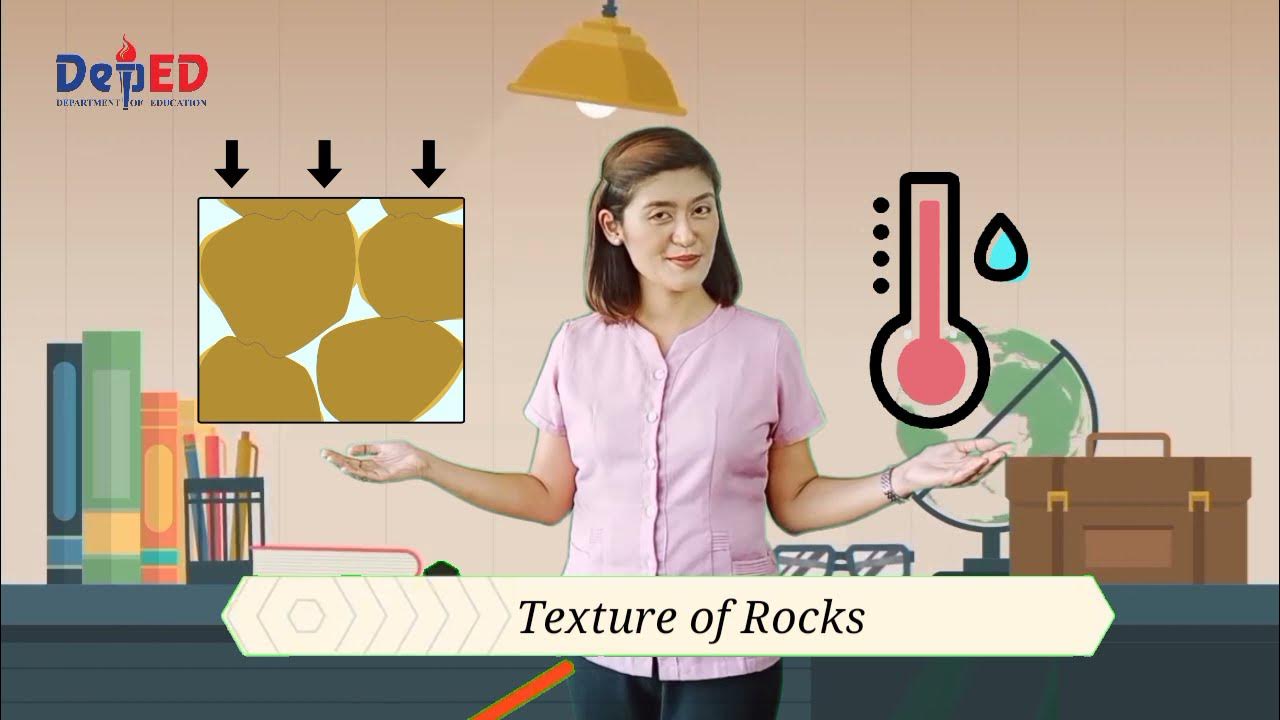
Metamorphism

Pengertian dan Klasifikasi Sumber Daya Alam/ Geografi Kelas XI SMA/ Kumer

Tugas PembaTIK Level 3 Tahun 2023 | Kreasi Media Video Pembelajaran | "Gelombang Bunyi"

pembelajaran IPA SMP
5.0 / 5 (0 votes)

