SHOLAWAT MEDLEY AL HIJROTU ( EL MUSYAFFA)
Summary
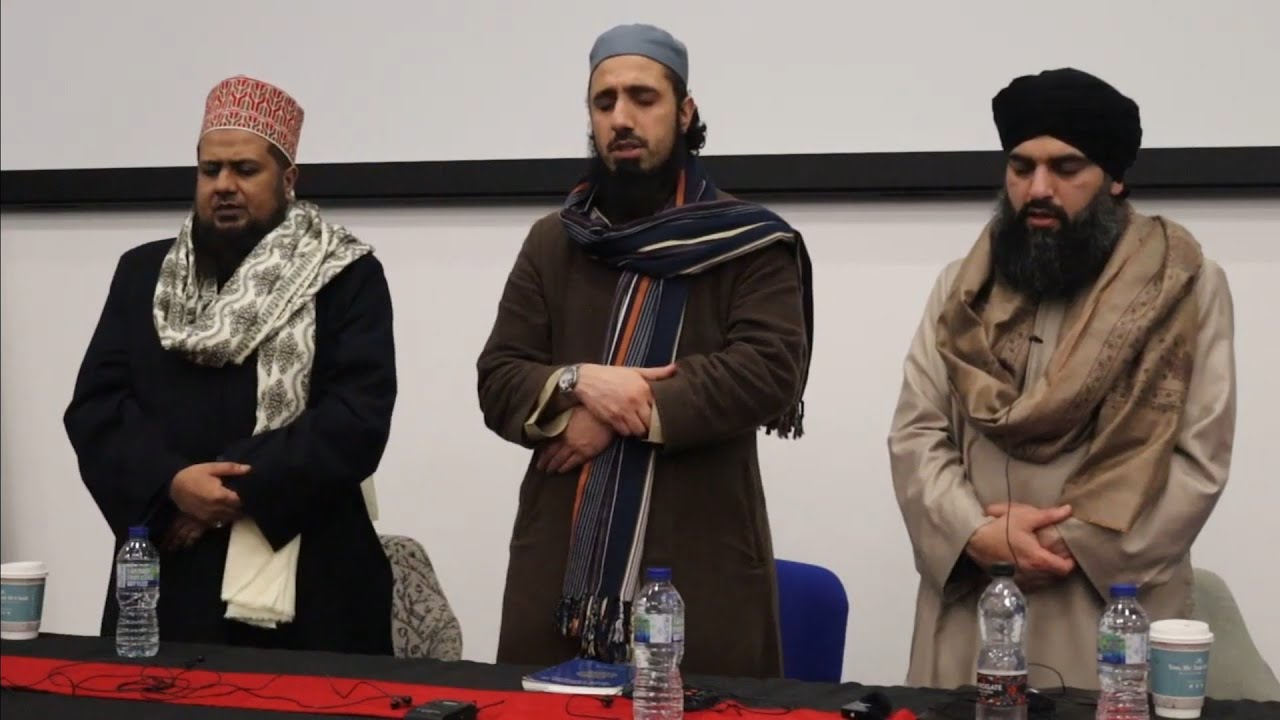
TLDRThis transcript presents a spiritual tribute focused on the praise and reverence of Prophet Muhammad (PBUH). The text weaves together religious chants, prayers, and expressions of admiration for the Prophet, emphasizing his guidance, virtues, and significance in Islam. The performance includes musical interludes, applause, and mentions of divine blessings, creating a powerful atmosphere of devotion and respect. This devotional piece is marked by repeated expressions of respect and reverence for the Prophet, intertwined with themes of divine guidance, peace, and hope for the faithful.
Takeaways
- 🎵 The script is heavily musical, featuring repeated background music that frames the spoken and chanted content.
- 🙏 Frequent praises and salutations are directed to the Prophet Muhammad, emphasizing respect and devotion.
- 💡 The content highlights guidance and teachings of the Prophet, reflecting on spiritual and moral lessons.
- 🕌 Multiple mentions of Islam and the spread of its message indicate a focus on faith and religious identity.
- 👏 Applause is interspersed, suggesting moments of audience engagement or reverence during recitation.
- 🕊️ Repeated phrases of peace and blessings convey a theme of serenity and spiritual connection.
- 🌙 References to light, guidance, and the Prophet as a leader show a focus on divine inspiration and moral leadership.
- 🗣️ Some phrases are call-and-response or repetitive chants, indicating a ritualistic or communal aspect.
- -
- 🌟 Repeated exaltations of the Prophet's beauty and character highlight admiration and love for him.
- -
- 📜 The transcript blends Arabic devotional language with musical expressions, showing a combination of oral tradition and artistic performance.
- -
- 💖 Overall, the script emphasizes devotion, reverence, guidance, and the emotional connection of followers to the Prophet Muhammad.
Q & A
What is the primary theme of the transcript?
-The transcript focuses on religious praise and devotion, particularly addressing Prophet Muhammad (PBUH) with expressions of reverence and admiration.
What significance does the phrase 'سلام الله على' hold in the transcript?
-'سلام الله على' translates to 'Peace of God be upon' and is a common phrase of respect used when invoking blessings on Prophet Muhammad (PBUH) and other revered figures in Islam.
What role does music play in this script?
-Music is used to complement the devotional atmosphere, enhancing the emotional and spiritual tone of the praise and prayers being recited.
How does the repetition of 'مددد' in the script contribute to the overall message?
-The repetition of 'مددد' (meaning 'help' or 'support') is an invocation of divine assistance and a call for the Prophet’s intercession and blessings, emphasizing the spiritual connection between the speaker and the Prophet.
What is the significance of the phrase 'يا رسول الله' in the transcript?
-'يا رسول الله' translates to 'O Messenger of God' and is an expression of direct address to Prophet Muhammad (PBUH), showing respect and calling upon him for spiritual guidance and blessings.
What is meant by 'طه المهدى' in the transcript?
-'طه المهدى' refers to Prophet Muhammad (PBUH) using his alternate name 'Taha,' often associated with his spiritual guidance and mission as the chosen one or 'the guided one.'
Why is the term 'الهادي' used frequently in the script?
-'الهادي' means 'The Guide' and is one of the names attributed to Prophet Muhammad (PBUH), highlighting his role as a spiritual guide for the Muslim community.
How does the phrase 'مدد مدد' express the speaker's devotion?
-The phrase 'مدد مدد' is a plea for divine assistance and is used to invoke the support and intercession of Prophet Muhammad (PBUH). The repetition emphasizes the speaker’s deep devotion and reliance on the Prophet's guidance.
What does 'صلى الله عليه وسلم' represent in the script?
-'صلى الله عليه وسلم' is a common Islamic phrase meaning 'May peace and blessings be upon him.' It is often used after mentioning Prophet Muhammad (PBUH) as a sign of respect and reverence.
How do the expressions of 'جمال' (beauty) reflect the tone of the transcript?
-The repeated expressions of 'جمال' (beauty) refer to the physical and spiritual beauty of Prophet Muhammad (PBUH). These expressions of admiration highlight the deep love and reverence the speaker holds for the Prophet.
Outlines

Этот раздел доступен только подписчикам платных тарифов. Пожалуйста, перейдите на платный тариф для доступа.
Перейти на платный тарифMindmap

Этот раздел доступен только подписчикам платных тарифов. Пожалуйста, перейдите на платный тариф для доступа.
Перейти на платный тарифKeywords

Этот раздел доступен только подписчикам платных тарифов. Пожалуйста, перейдите на платный тариф для доступа.
Перейти на платный тарифHighlights

Этот раздел доступен только подписчикам платных тарифов. Пожалуйста, перейдите на платный тариф для доступа.
Перейти на платный тарифTranscripts

Этот раздел доступен только подписчикам платных тарифов. Пожалуйста, перейдите на платный тариф для доступа.
Перейти на платный тарифПосмотреть больше похожих видео





5.0 / 5 (0 votes)

