Fisika Kelas 10: Ragam Bentuk Energi, Energi | Portal Sekolah
Summary
TLDRThis educational script explores the concept of energy, its various forms, and how it is measured. It explains the ability of energy to perform work, using units like joules, calories, and kilowatt-hours. The script covers seven different types of energy: thermal, light, sound, electrical, chemical, nuclear, and mechanical, with examples from everyday life. It also highlights how energy transforms, such as from fuel to motion in vehicles or from food to body heat. Through these explanations, the script demonstrates how energy impacts both the natural world and human activities.
Takeaways
- 😀 Energy is the ability to do work.
- 😃 Work occurs when energy is used to move or change the position of a body.
- 👍 The international unit for energy is the joule (J); calories (cal) and kilowatt-hours (kWh) are also used units.
- 💡 1 joule equals 0.24 calories, and conversely, 1 calorie equals 4.2 joules.
- 🍽️ Kilocalorie (kcal) is used for measuring food energy; 1 kcal equals 1000 calories.
- ⚡ 1 joule equals 2.78×10⁻⁷ kWh; 1 kWh equals 1000 watt-hours (Wh).
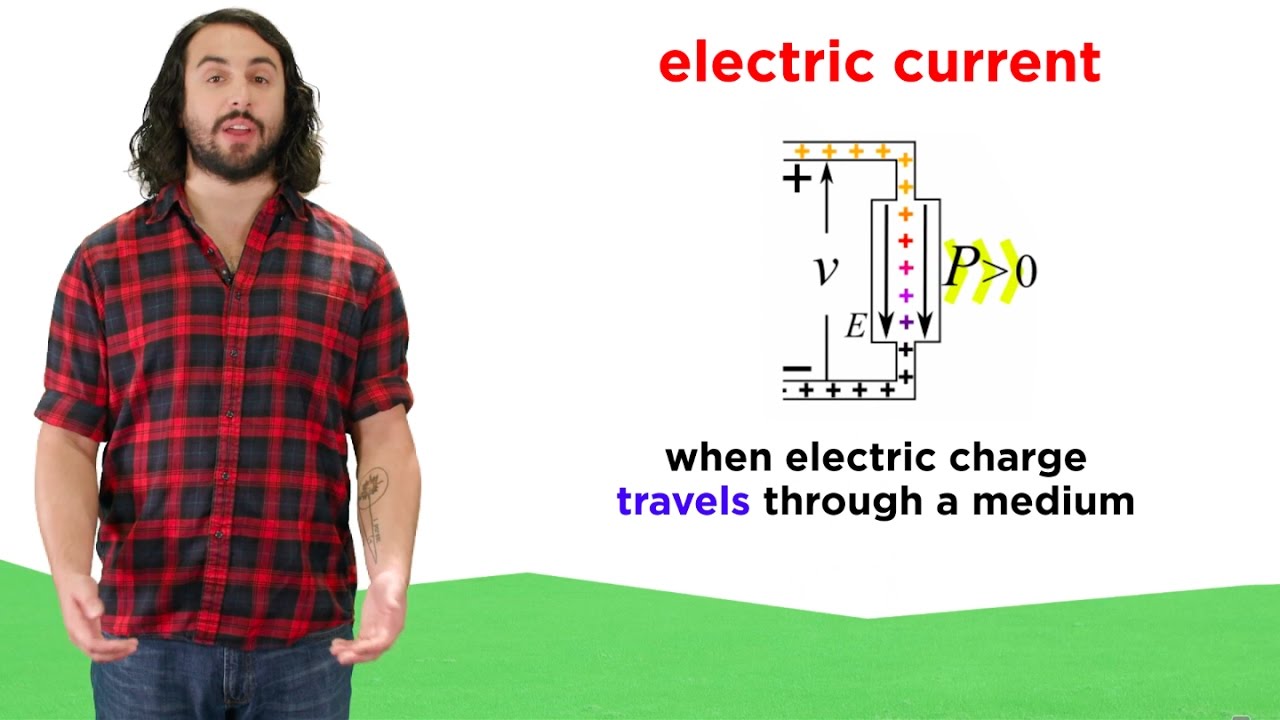
- 🔌 Electrical energy arises from moving electric charges (electrons) and is related to power in watts.
- 🧪 Chemical energy is stored in molecules (e.g., in foods and fuels) and is released via chemical reactions.
- 🌞 There are seven forms of energy discussed: thermal, light, sound, electrical, chemical, nuclear, and mechanical.
- 🔥 Thermal energy is linked to the random motion of particles and temperature; heating increases this energy.
- 🟡 Light energy is electromagnetic radiation visible to the eye (roughly 380–750 nm) and drives processes like photosynthesis.
- 🧲 Nuclear energy comes from nuclear fusion (as in stars) or fission (in reactors), releasing large amounts of energy.
Q & A
What is energy?
-Energy is the ability to do work. A body is said to have energy if it has the capability to perform work or cause change.
What are the different units used to measure energy?
-The SI unit for energy is joules (J). Other units include calories (cal) and kilowatt-hours (kWh), which can be converted into joules.
How is joule related to calorie?
-1 joule is equal to 0.24 calories, and conversely, 1 calorie equals 4.2 joules. Calories are often used to measure thermal energy.
Why is kilocalorie (kcal) used for measuring food energy?
-Kilocalorie (kcal) is used because 1 calorie is too small for measuring the energy content in food. 1 kilocalorie equals 1000 calories.
What is the relationship between joules and kilowatt-hours (kWh)?
-1 joule equals 2.78 × 10^-7 kilowatt-hours (kWh). Kilowatt-hours are commonly used for measuring electrical energy consumption in homes or industries.
What are the seven types of energy discussed in the script?
-The seven types of energy are thermal energy, light energy, sound energy, electrical energy, chemical energy, nuclear energy, and mechanical energy.
What is thermal energy?
-Thermal energy is related to the random motion of atoms or molecules in a substance. The faster these particles move, the higher the temperature and thermal energy.
How does light energy contribute to life on Earth?
-Light energy, such as sunlight, is crucial for photosynthesis in plants. It helps convert carbon dioxide and water into glucose and oxygen, sustaining life on Earth.
What is mechanical energy?
-Mechanical energy is the sum of kinetic and potential energy in a system. It is used to perform work, such as using a hammer to drive a nail into wood.
How does chemical energy work in our body?
-Chemical energy in food is stored in the bonds between atoms. When these bonds break during digestion, the energy is released, helping the body stay warm, move, and grow.
What is nuclear energy, and how is it produced?
-Nuclear energy comes from reactions inside the atomic nucleus, such as fusion and fission. Fusion combines light nuclei to form heavier ones, while fission splits heavy nuclei into lighter ones, releasing significant amounts of energy.
Outlines

Этот раздел доступен только подписчикам платных тарифов. Пожалуйста, перейдите на платный тариф для доступа.
Перейти на платный тарифMindmap

Этот раздел доступен только подписчикам платных тарифов. Пожалуйста, перейдите на платный тариф для доступа.
Перейти на платный тарифKeywords

Этот раздел доступен только подписчикам платных тарифов. Пожалуйста, перейдите на платный тариф для доступа.
Перейти на платный тарифHighlights

Этот раздел доступен только подписчикам платных тарифов. Пожалуйста, перейдите на платный тариф для доступа.
Перейти на платный тарифTranscripts

Этот раздел доступен только подписчикам платных тарифов. Пожалуйста, перейдите на платный тариф для доступа.
Перейти на платный тарифПосмотреть больше похожих видео


5.0 / 5 (0 votes)

