Jenis dan Karakteristik Bencana Geologis
Summary
TLDRThis video explores various geological disasters and their mitigation strategies. It covers landslides, volcanic eruptions, earthquakes, and tsunamis, explaining their causes, signs, and the necessary steps for reducing their impact. Viewers learn about the natural and human factors behind these events, such as rainfall, mining activities, and tectonic movements. The script emphasizes the importance of preparedness, with safety measures outlined for each disaster, including actions to take indoors, outdoors, and while traveling. The episode highlights the critical role of understanding geological hazards to protect lives and property.
Takeaways
- 😀 Landslides occur when soil or rock moves down a slope, often triggered by natural factors like heavy rainfall or human activities such as deforestation.
- 😀 Volcanic eruptions release heat, lava, ash, and toxic gases. Signs of an impending eruption include increased seismic activity and drying water sources.
- 😀 Earthquakes are caused by tectonic plate movements, volcanic activity, or meteor impacts. Indonesia, located on the Pacific Ring of Fire, experiences frequent earthquakes.
- 😀 Tsunamis are large ocean waves caused by underwater seismic shifts and can cause significant destruction when they hit coastal areas.
- 😀 Mitigation efforts for landslides include avoiding construction on steep slopes, improving drainage systems, and preventing deforestation.
- 😀 Mitigation strategies for volcanic eruptions involve monitoring volcanic activity, recognizing warning signs, and evacuating when necessary.
- 😀 During an earthquake, seek shelter under sturdy furniture, avoid windows and heavy objects, and leave the building when it's safe to do so.
- 😀 When outside during an earthquake, stay away from buildings, trees, and power lines to avoid falling debris.
- 😀 In the event of a tsunami, move to higher ground and avoid coastal areas. If at sea, stay in deeper waters to avoid the waves.
- 😀 Disaster preparedness involves understanding the different stages of a disaster (before, during, and after) and taking appropriate actions to reduce risks and damage.
Q & A
What are the three stages of disaster mitigation discussed in the script?
-The three stages of disaster mitigation are: before the disaster occurs, during the disaster, and after the disaster. Each stage focuses on reducing the impact and ensuring safety.
What are the primary causes of landslides?
-Landslides are caused by natural factors like geological conditions (weathered rocks), steep slopes, earthquakes, volcanic activity, and heavy rainfall. Human activities like deforestation and mining also contribute to landslides.
What are some signs that a volcanic eruption may occur?
-Pre-eruption signs include sudden elevation changes around the volcano, drying up of nearby water sources, increased local earthquakes, and plant life dying due to changes in the environment.
What are the main types of earthquakes mentioned in the script?
-The script mentions four main types of earthquakes: tectonic, volcanic, collapse, and meteor-induced. Tectonic and volcanic earthquakes are common in Indonesia due to its position on major tectonic plates.
How can people reduce the impact of an earthquake indoors?
-To reduce the impact of an earthquake indoors, people should immediately take cover under sturdy furniture, avoid windows and objects that could fall, and evacuate the building once it is safe to do so. Use emergency exits like stairways, but not elevators.
What is a tsunami and how is it formed?
-A tsunami is a series of giant ocean waves caused by a shift in the ocean floor, typically due to underwater earthquakes. These waves can travel vast distances and impact coastal areas.
What mitigation measures can be taken during a tsunami when near the coast?
-During a tsunami, people should move to higher ground, away from the coast, to avoid being swept away by the waves. It's also important to stay alert for any aftershocks or secondary waves.
What steps can be taken to mitigate the impact of volcanic eruptions?
-Mitigation measures for volcanic eruptions include monitoring volcanic activity for early signs of an eruption, establishing evacuation plans, and ensuring buildings are resistant to ash and lava damage.
What are some key indicators of volcanic activity that people should watch for?
-Key indicators of volcanic activity include increased seismic activity, sudden changes in the shape of the volcano, the drying up of nearby water sources, and the movement of wildlife seeking shelter.
Why is Indonesia particularly vulnerable to earthquakes?
-Indonesia is vulnerable to earthquakes due to its location on major tectonic plate boundaries, including the Indo-Australian, Eurasian, and Pacific plates, which frequently cause seismic activity in the region.
Outlines

Этот раздел доступен только подписчикам платных тарифов. Пожалуйста, перейдите на платный тариф для доступа.
Перейти на платный тарифMindmap

Этот раздел доступен только подписчикам платных тарифов. Пожалуйста, перейдите на платный тариф для доступа.
Перейти на платный тарифKeywords

Этот раздел доступен только подписчикам платных тарифов. Пожалуйста, перейдите на платный тариф для доступа.
Перейти на платный тарифHighlights

Этот раздел доступен только подписчикам платных тарифов. Пожалуйста, перейдите на платный тариф для доступа.
Перейти на платный тарифTranscripts

Этот раздел доступен только подписчикам платных тарифов. Пожалуйста, перейдите на платный тариф для доступа.
Перейти на платный тарифПосмотреть больше похожих видео

Geografi kelas XI - Jenis dan Penanggulangan Bencana Alam
Jenis-jenis Bencana #kumer Geografi Kelas XI
Bencana Alam - Pengertian, Jenis, dan Cara Penanggulangan
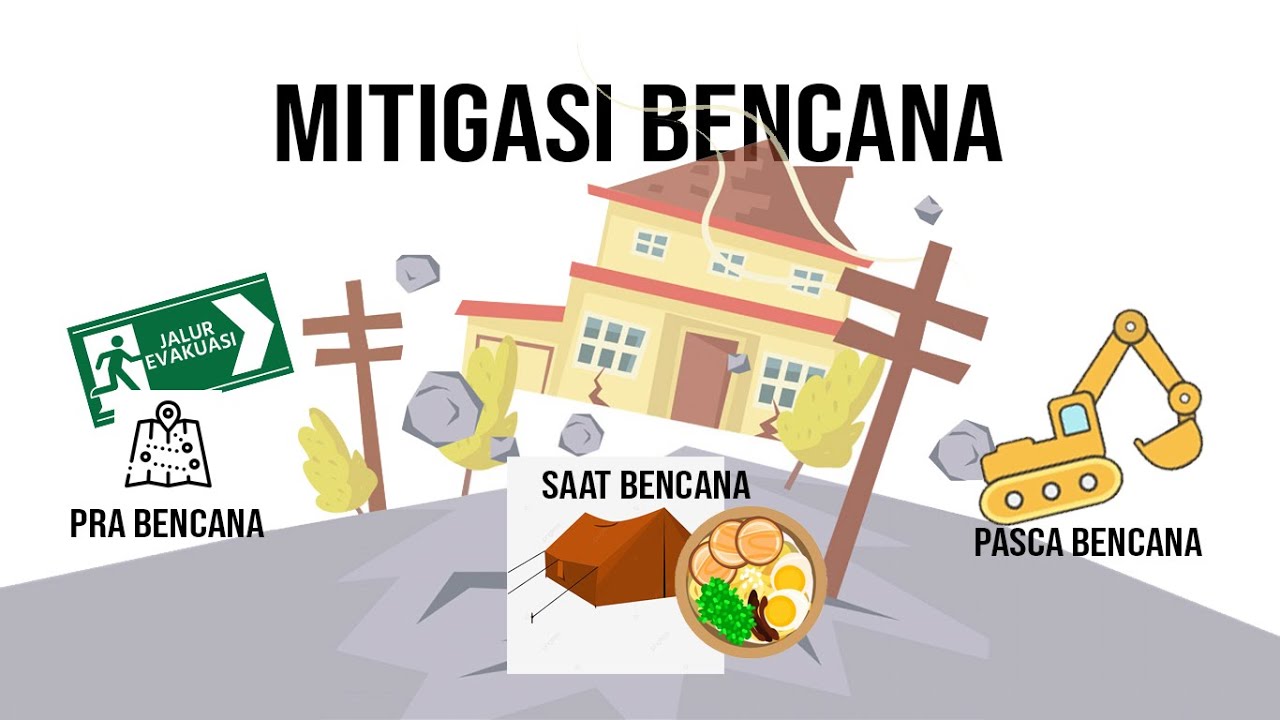
MITIGASI BENCANA | GEOGRAFI KELAS 11
IPA - 2 - MITIGASI BENCANA ALAM : Langkah Pencegahan dan Penanggulangan Bencana Alam
GRADE 12 SCIENCE Q2W2 INTERPRET GEOLOGICAL MAPS
5.0 / 5 (0 votes)

