Air Pollution 1
Summary
TLDRThis video explores the history and impact of air pollution, highlighting its long-standing presence, from ancient Roman complaints to the deadly Great Smog of London in 1952. The lecture delves into the types of air pollution, including particulates (solid and liquid) and gases such as carbon monoxide and sulfur compounds. It also discusses the difference between primary and secondary pollutants, and the challenges in regulating these dangerous substances. The video emphasizes anthropogenic pollution while acknowledging the role of natural events like volcanic eruptions and wildfires. The importance of managing volatile organic compounds (VOCs) is also touched upon.
Takeaways
- 😀 Air pollution is a long-standing issue, with complaints about smells and fumes dating back to ancient Roman times.
- 😀 The Industrial Revolution greatly exacerbated pollution levels, leading to dangerous smog events in cities like London.
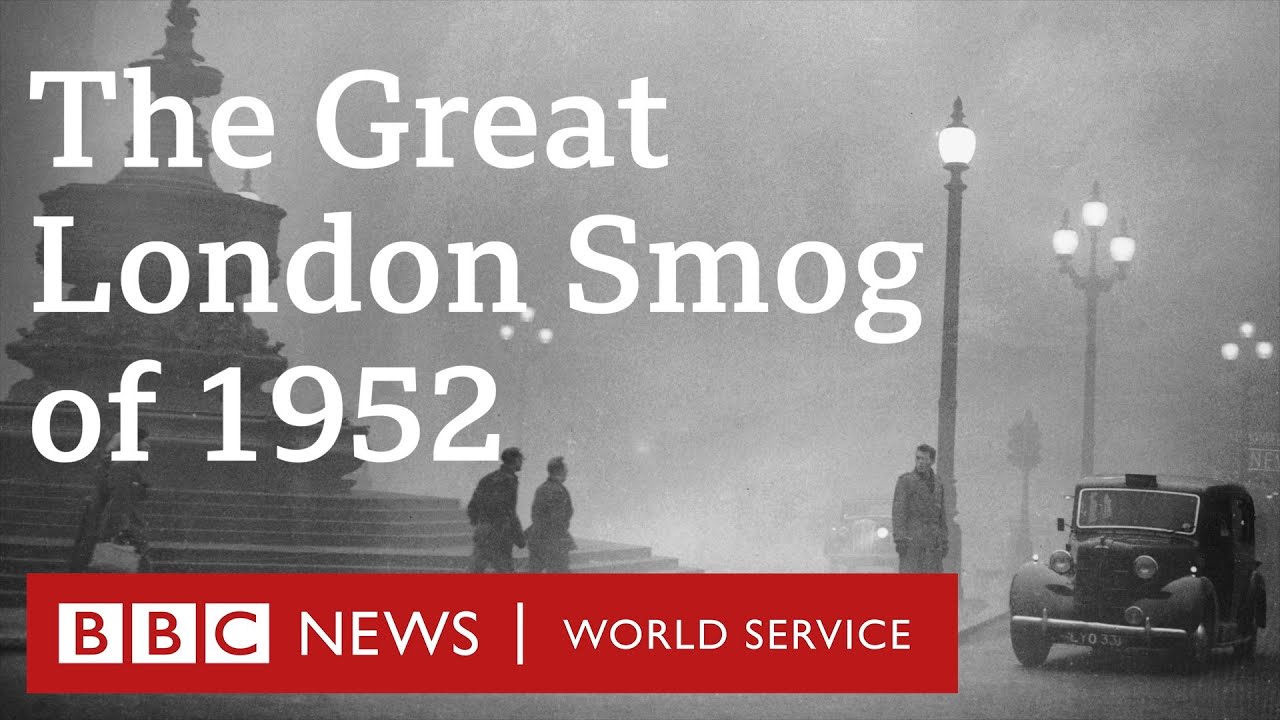
- 😀 The Great Smog of London in 1952 was one of the deadliest smog events, killing thousands and sickening many more.
- 😀 High-pressure systems can contribute to the severity of smog events by causing air to become stagnant and trapping pollutants near the ground.
- 😀 Air pollution can penetrate indoors, as was the case during the Great Smog of London, affecting respiratory health.
- 😀 Natural events like volcanic eruptions and wildfires can also cause air pollution, but this lecture focuses on human-induced pollution.
- 😀 Air pollution can be divided into two main categories: particulates (solid or liquid) and gases.
- 😀 Particulates, including pollen and dust, vary in size, and smaller particulates (less than 10 microns) can be inhaled into the lungs, with smaller ones being more hazardous.
- 😀 Gases such as carbon monoxide, sulfur compounds, and nitrogen oxides are also major pollutants and are measured in parts per million or billion.
- 😀 Pollutants are classified as primary (directly released) or secondary (formed from reactions of other pollutants), and examples include smog and carbon monoxide.
Q & A
What was the Great Smog of London in 1952 and why was it so deadly?
-The Great Smog of London in 1952 was one of the deadliest smog events in history. It was worsened by a high pressure system that caused air to become stagnant, trapping pollutants. This resulted in thick, toxic fog that penetrated both outdoors and indoors, leading to 4,000 recorded deaths and 100,000 illnesses. Later research suggests the death toll was even higher, as an additional 8,000 people died from lingering symptoms.
What is the main difference between primary and secondary pollutants?
-Primary pollutants are substances that directly enter the atmosphere as pollutants, such as carbon monoxide. Secondary pollutants, on the other hand, are formed when primary pollutants combine with other compounds, like smog, which results from various substances reacting in the atmosphere.
How do the size of particulate pollutants affect human health?
-The size of particulate pollutants is crucial to their health impact. Particles smaller than 10 microns, especially those smaller than 2.5 microns, can be inhaled deeply into the lungs. The smaller the particles, the more dangerous they are, as they can even enter the bloodstream, causing severe health issues.
What are the two main categories of air pollution discussed in the lecture?
-The two main categories of air pollution discussed are particulates and gases. Particulates can be solid or liquid, and gases include pollutants like carbon monoxide, sulfur compounds, and nitrogen oxides.
How do particulates behave in humid areas?
-In humid areas, particulates can attract moisture due to their hygroscopic nature. This moisture condenses onto the particulates, forming droplets that appear as fog, which, when polluted, is referred to as smog.
What is a volatile organic compound (VOC), and why is it significant in air pollution?
-A volatile organic compound (VOC) is a chemical compound containing carbon that evaporates into the air. They are found in substances like gasoline, wood, and coal. VOCs contribute to air pollution, and exposure to them can be harmful to human health, which is why gas stations and other sources try to reduce their release.
What is the role of the EPA in regulating air pollution?
-The Environmental Protection Agency (EPA) regulates air pollution by focusing on the most harmful pollutants, called criteria pollutants, which are regularly monitored and controlled to ensure public health and environmental protection.
What natural events can contribute to air pollution?
-Natural events such as volcanic eruptions and wildfires can contribute to air pollution. These events release particulate matter and gases into the atmosphere, which can negatively impact air quality.
What are some common sources of particulate pollution?
-Particulate pollution can come from various sources, including vehicle emissions, factory smoke, dust, and natural sources like pollen. These particulates can range from larger particles, like dust, to fine particles that are harmful when inhaled.
Why is it important to regulate pollutants like nitrogen oxides and sulfur compounds?
-Nitrogen oxides and sulfur compounds are important pollutants to regulate because they contribute to the formation of acid rain and smog, which can have harmful effects on human health, ecosystems, and infrastructure.
Outlines

Этот раздел доступен только подписчикам платных тарифов. Пожалуйста, перейдите на платный тариф для доступа.
Перейти на платный тарифMindmap

Этот раздел доступен только подписчикам платных тарифов. Пожалуйста, перейдите на платный тариф для доступа.
Перейти на платный тарифKeywords

Этот раздел доступен только подписчикам платных тарифов. Пожалуйста, перейдите на платный тариф для доступа.
Перейти на платный тарифHighlights

Этот раздел доступен только подписчикам платных тарифов. Пожалуйста, перейдите на платный тариф для доступа.
Перейти на платный тарифTranscripts

Этот раздел доступен только подписчикам платных тарифов. Пожалуйста, перейдите на платный тариф для доступа.
Перейти на платный тарифПосмотреть больше похожих видео
Grade 7 English / The Great Smog of 1952
Air Pollution | What Causes Air Pollution? | The Dr Binocs Show | Kids Learning Videos|Peekaboo Kidz

The Great Smog of 1952 | A Short Documentary | Fascinating Horror
How the Great London Smog of 1952 killed thousands - Witness History, BBC World Service
The science of smog - Kim Preshoff

What is POLLUTION? | Types of POLLUTION - Air | Water | Soil | Noise | Dr Binocs Show -Peekaboo Kidz
5.0 / 5 (0 votes)

