٢٢ يناير ٢٠٢٥
Summary
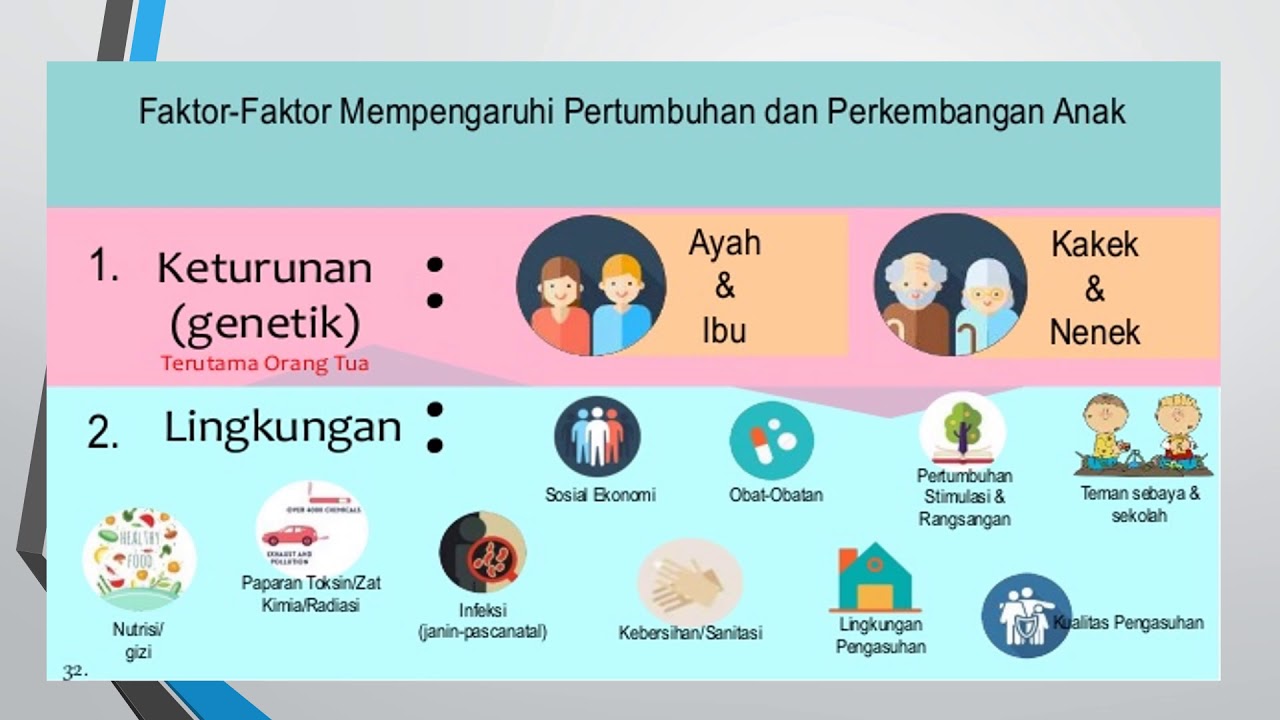
TLDRThis lecture on developmental psychology focuses on two key concepts: maturation and learning, and their interrelationship in human growth. Maturation refers to inherent, biological changes in behavior due to genetic factors, while learning is an external process shaped by experience, practice, and training. The discussion also covers different types of changes in the growth process, such as physical size changes, behavioral development, and the acquisition of skills. The lecture emphasizes how maturation and learning interact and affect the growth process, highlighting their significance in shaping an individual’s abilities and overall development.
Takeaways
- 😀 Nurturing and learning are two key aspects of human development, with growth being affected by both internal biological processes (maturation) and external factors (learning).
- 😀 Maturation refers to internal, genetically driven changes in behavior, while learning is the result of experience, practice, or training.
- 😀 Maturation is an involuntary process, whereas learning requires effort and conscious action from the individual.
- 😀 A major difference between maturation and learning is that maturation occurs naturally, without the individual's control, while learning is a deliberate process that requires effort and repetition.
- 😀 The process of maturation includes biological changes, such as the development of muscles or the reproductive system, which are necessary for performing certain behaviors, like writing or reproduction.
- 😀 Maturation and learning are interconnected, influencing each other to shape the development of an individual. For example, a child cannot speak until their speech apparatus matures, even if they have learned how to speak.
- 😀 Learning is easier when the behavior being taught aligns with the individual's developmental stage, making it more consistent with their natural growth.
- 😀 The readiness for learning improves as maturation progresses; the more mature the individual, the less training is needed to achieve proficiency.
- 😀 Premature training may not result in permanent improvements and could even be detrimental, as it may not align with the individual’s developmental readiness.
- 😀 Growth is characterized by several types of changes, including physical changes (e.g., height and weight), behavioral changes (e.g., language skills), and cognitive or emotional changes, all of which vary in rate and nature across different stages of development.
Q & A
What is the difference between maturation and learning?
-Maturation refers to the internal, biological changes that occur naturally due to genetic or innate factors, such as the development of muscles or organs. Learning, on the other hand, involves changes in behavior due to experiences, practice, or environmental influence.
What are the key differences between maturation and learning?
-Maturation is an involuntary process that happens naturally within the body and does not require human effort, while learning is a voluntary process requiring effort and persistence. Additionally, maturation is not felt by the individual, whereas learning is a conscious process.
Can maturation and learning occur independently of each other?
-No, maturation and learning interact and influence each other in the growth process. Both are essential for development, as a child cannot speak unless their speech apparatus matures, and even then, they need to learn how to speak.
How does maturation influence learning?
-Maturation prepares the body for learning by providing the necessary physical and cognitive capabilities. For example, a child cannot write until their hand muscles have matured enough to control the writing process.
What happens if learning is attempted before maturation?
-If learning is attempted before the necessary maturation occurs, the results may be ineffective or short-term, and could even cause frustration or harm.
What are the different types of changes that occur during the growth process?
-The changes in the growth process can include changes in size (e.g., height, weight), behavioral development (e.g., language skills, motor abilities), and changes in the proportions of the body and brain.
What is meant by 'growth changes in size'?
-Growth changes in size refer to the measurable physical changes in a person or organism, such as increases in height, weight, and the size of internal organs like the heart and lungs.
What are the cognitive implications of physical growth?
-As a child’s body grows, cognitive abilities also develop. For example, as a child’s brain matures, they become better at remembering, thinking, and performing complex tasks.
What is the role of proportional changes in growth?
-Proportional changes refer to the differing rates at which various parts of the body grow. For example, the head is much larger relative to the body at birth, but as a child grows, the body catches up, and proportions become more balanced.
What is the impact of maturation on a child’s social and emotional development?
-Maturation also influences a child’s emotional and social behaviors. For example, as a child matures, their attention shifts from being self-centered to becoming more aware of and interested in the people around them.
How do different rates of growth impact a child’s development?
-Growth does not occur at a consistent rate across all aspects. For instance, a child may experience rapid physical growth early on, but cognitive or emotional growth may follow at a slower pace, which affects how the child interacts with the world.
Outlines

Этот раздел доступен только подписчикам платных тарифов. Пожалуйста, перейдите на платный тариф для доступа.
Перейти на платный тарифMindmap

Этот раздел доступен только подписчикам платных тарифов. Пожалуйста, перейдите на платный тариф для доступа.
Перейти на платный тарифKeywords

Этот раздел доступен только подписчикам платных тарифов. Пожалуйста, перейдите на платный тариф для доступа.
Перейти на платный тарифHighlights

Этот раздел доступен только подписчикам платных тарифов. Пожалуйста, перейдите на платный тариф для доступа.
Перейти на платный тарифTranscripts

Этот раздел доступен только подписчикам платных тарифов. Пожалуйста, перейдите на платный тариф для доступа.
Перейти на платный тариф



5.0 / 5 (0 votes)

