What is seismic reflection?
Summary
TLDRSeismic reflection is a method used to explore the Earth's crust by generating artificial waves, similar to how bats use sound waves to navigate in the dark. Special ships and vehicles send seismic waves through the earth or seabed, and the waves are reflected back, providing valuable data about subsurface structures. This method, which produces detailed 3D models, helps locate oil and gas reservoirs with minimal environmental impact. While the process takes time and advanced computing, it ensures safe energy supply and is less resource-intensive than other exploration methods.
Takeaways
- 😀 Seismic reflection is a method used to explore the Earth's crust by generating artificial waves.
- 😀 Similar to how human vocal cords create vibrations, seismic waves ripple through the Earth and are reflected back as echoes.
- 😀 Bats use a similar technique to navigate in darkness, using sound waves to detect obstacles.
- 😀 Doctors use ultrasound imaging to look inside the human body, a method conceptually similar to seismic analysis.
- 😀 Special ships equipped with seismic wave-producing equipment are used to locate oil and gas beneath the seabed.
- 😀 Seismic waves penetrate the seabed and reflect differently depending on the material they encounter, such as rock, oil, or gas.
- 😀 The speed at which the seismic waves return is measured to analyze subsurface conditions.
- 😀 On land, seismic waves are generated using purpose-built vehicles, and data is recorded by seismometers.
- 😀 Seismometers are spaced along long cables (up to 12 km) that are dragged behind ships or vehicles to collect data.
- 😀 The data collected is processed by powerful computers to generate 3D models, which help locate oil and gas reservoirs.
- 😀 The seismic analysis process is time-consuming, taking about a year to collect data and complete the analysis.
- 😀 Seismic reflection is less resource-intensive than other exploration methods and has a lower environmental impact.
Q & A
What is seismic reflection?
-Seismic reflection is a method used to explore the Earth's crust by generating artificial waves. These waves travel through the Earth and are reflected back as echoes when they encounter different materials or obstacles beneath the surface.
How does seismic reflection relate to human speech?
-When we speak, our vocal cords create vibrations that travel through the air. These vibrations, like seismic waves, reflect off obstacles and return as echoes. This principle is similar to seismic reflection, where sound waves are used to analyze underground structures.
What role do bats play in the understanding of seismic reflection?
-Bats use a technique similar to seismic reflection, bouncing sound waves off obstacles to navigate in complete darkness. This method, known as echolocation, inspired the concept of using sound waves to map the Earth's crust.
How do doctors use seismic reflection techniques?
-Doctors use ultrasound technology, which operates on the same principle as seismic reflection, to examine the inside of the human body. Ultrasound waves are sent into the body and reflected back to create an image, allowing for non-invasive diagnostics.
What is the primary application of seismic reflection in the energy industry?
-Seismic reflection is mainly used to locate oil and gas reservoirs. Special ships equipped with seismic wave-producing equipment are used to analyze the seabed, and the reflected waves help determine the presence and location of these resources.
How do seismic waves travel when they are generated on a ship?
-Seismic waves generated by equipment on ships fan out beneath the surface of the water, penetrating the seabed. Depending on what they hit—whether rock, oil, or gas—the waves are reflected back at different speeds, providing critical information about the subsurface.
What is the role of seismometers in seismic reflection?
-Seismometers are devices used to record the seismic waves and measure how fast they travel. These measurements are crucial in determining the characteristics of the materials beneath the Earth's surface.
How do seismic waves get recorded on land?
-On land, vibrations are generated by special vehicles equipped with vibrators. The data collected by seismometers, which are spaced along cables that can extend up to 12 kilometers, is logged by mobile computers for further analysis.
How deep can seismic reflection explore the Earth's crust?
-Seismic reflection can explore up to 10 kilometers deep into the Earth with remarkable accuracy, allowing geophysicists to gather detailed data about subsurface structures.
What happens after seismic data is collected?
-After seismic data is collected, geophysicists use powerful computers to process and analyze the information. They generate detailed 3D models of the subsurface, which are then used by geologists to identify and locate gas and oil reservoirs.
How long does it take to complete the seismic reflection process?
-The entire seismic reflection process, from data collection to analysis, takes about one year. Although time-consuming, it is crucial for accurately locating resources like oil and gas.
What are the environmental benefits of seismic reflection?
-Seismic reflection is less resource-intensive than alternative methods of exploration. It also has a lower environmental impact, as it provides a more sustainable way to explore subsurface resources compared to traditional drilling or other invasive techniques.
Outlines

Этот раздел доступен только подписчикам платных тарифов. Пожалуйста, перейдите на платный тариф для доступа.
Перейти на платный тарифMindmap

Этот раздел доступен только подписчикам платных тарифов. Пожалуйста, перейдите на платный тариф для доступа.
Перейти на платный тарифKeywords

Этот раздел доступен только подписчикам платных тарифов. Пожалуйста, перейдите на платный тариф для доступа.
Перейти на платный тарифHighlights

Этот раздел доступен только подписчикам платных тарифов. Пожалуйста, перейдите на платный тариф для доступа.
Перейти на платный тарифTranscripts

Этот раздел доступен только подписчикам платных тарифов. Пожалуйста, перейдите на платный тариф для доступа.
Перейти на платный тарифПосмотреть больше похожих видео

Earthquakes and Seismology in Earth’s Interior

Basic principles of the seismic method | Seismic Principles

Seismic Waves: On Exploring Earth's Interior
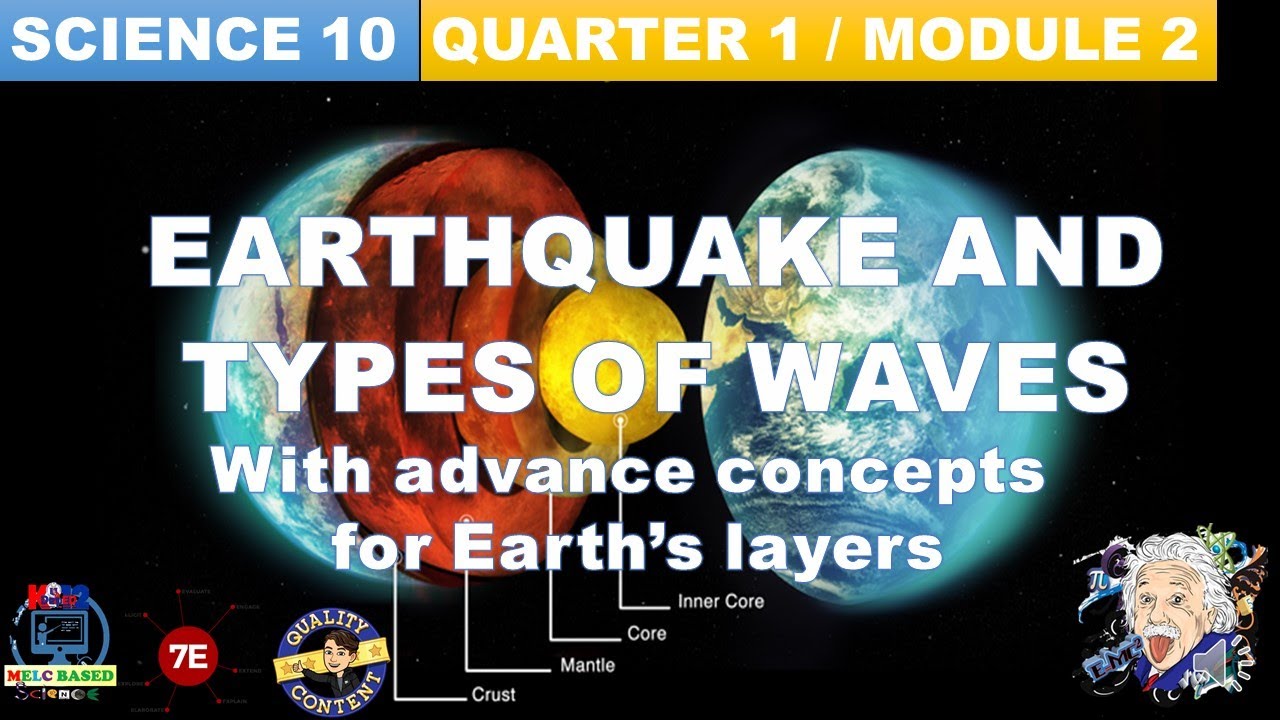
GRADE 10 SCIENCE QUARTER 1, MODULE 2 WEEK 2, EARTHQUAKE AND TYPES OF WAVES MELC BASED.

How Earthquake occurs and what causes it | Seismic Waves | P and S Waves

Por que a terra treme no Brasil
5.0 / 5 (0 votes)

