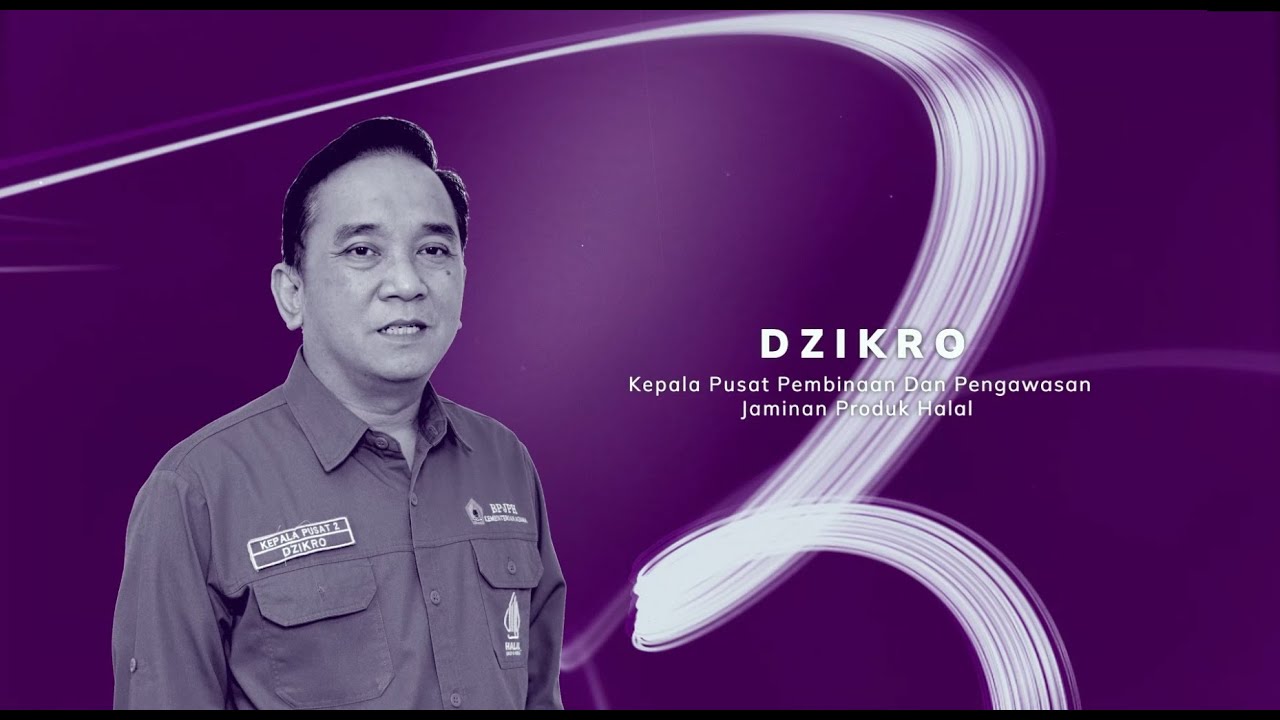
1.1 Kebijakan dan Regulasi JPH
Summary
TLDRThis video delivers a comprehensive overview of halal product certification in Indonesia, focusing on the regulatory framework, the role of BPJPH, and the self-declare scheme for micro and small enterprises. It covers the history and evolution of halal regulations, the duties and functions of BPJPH, key terminologies, and the step-by-step halal certification process. The speaker emphasizes the importance of understanding both self-declare and regular certification schemes, the role of halal supervisors, and the benefits for consumers and businesses, including legal assurance, product quality, and market competitiveness. The content also outlines phased implementation timelines and the need for effective guidance and support for small business owners.
Takeaways
- 📜 BPJPH (Halal Product Assurance Organizing Agency) was established in 2017 under Law No. 33/2014 and has undergone organizational changes to become a government non-ministry institution led by a minister-level head.
- ⚖️ The legal framework for halal certification includes Law No. 33/2014, Law No. 11/2020 (Cipta Kerja), and its revision into Law No. 6/2023.
- 🏢 BPJPH's main functions include formulating policies, standards, procedures, issuing and revoking halal certificates, registering foreign halal products, public education, accreditation, supervision, and domestic and international cooperation.
- 📝 There are two main halal certification schemes: self-declare for micro and small businesses, and regular certification for larger or more complex products.
- 👨🏫 Key roles in the certification process include Penyelia Halal (supervisor/auditor for small businesses), Auditor Halal, LPH (halal certification institutions), and the Komite Fatwa Produk Halal (halal product fatwa committee).
- ⏳ Halal certification is now mandatory, but staged implementation allows micro and small businesses to prepare until 2026, especially for food and beverage products and slaughtering processes.
- 💊 Stage 2 of mandatory certification covers traditional medicine, supplements, cosmetics, chemicals, genetically engineered products, clothing, household items, worship items, and healthcare equipment, running from 2021 to 2026.
- 🛡️ Halal certification provides consumers with safety, legality, and assurance when consuming or purchasing products.
- 💼 For businesses, obtaining halal certification enhances product quality, competitiveness, market value, and potential revenue growth.
- 📖 Trainees and pendamping must be familiar with all regulations, terminology, and procedures for both self-declare and regular schemes to effectively support businesses in compliance.
Q & A
What is BPJPH and when was it established?
-BPJPH (Badan Penyelenggara Jaminan Produk Halal) is an institution established in 2017 based on Law No. 33 of 2014 concerning Halal Product Assurance. It oversees the implementation of halal certification in Indonesia.
How has BPJPH’s organizational status changed since its establishment?
-Initially, BPJPH was part of the Ministry of Religious Affairs as a working unit (satker BLU). After the formation of the cabinet under President Joko Widodo, BPJPH became a government non-ministerial institution with its head at ministerial level, separating it from the Ministry of Religious Affairs.
What are the main functions of BPJPH?
-BPJPH is responsible for drafting technical policies, plans, and programs for halal product assurance, implementing halal certification, monitoring and evaluating halal certification activities, conducting supervision, managing administration, issuing and revoking halal certificates, registering foreign halal-certified products, conducting public education and outreach, accreditation, and international collaboration.
What laws regulate halal product certification in Indonesia?
-Halal product certification is primarily regulated under Law No. 33 of 2014 on Halal Product Assurance. The law has been updated and integrated with Law No. 11 of 2020 on Job Creation, which was later revised to Law No. 6, including provisions on halal certification and BPJPH’s functions.
What is the self-declare scheme in halal certification?
-The self-declare scheme allows micro and small business owners to declare their products as halal. It is part of the halal certification process designed to help small businesses comply with halal regulations gradually before full mandatory certification applies.
What is the purpose of halal certification for consumers?
-Halal certification provides consumers with assurance, comfort, safety, and legal certainty that a product is halal, which allows them to consume or use products with confidence.
How does halal certification benefit businesses?
-For businesses, halal certification increases product quality, competitiveness, and added value, which can lead to increased sales and market opportunities.
What is the phased implementation of mandatory halal certification?
-Mandatory halal certification is being implemented in phases. The first phase targets food and beverages, including slaughtering practices, and is extended until 2026 for micro and small businesses to prepare. The second phase, starting from 2021 to 2026, covers traditional medicines, supplements, cosmetics, chemical products, genetic engineering products, clothing, accessories, household goods, and medical devices.
What is the role of a halal supervisor in businesses?
-A halal supervisor in businesses acts as a partner to auditors and BPJPH, overseeing production processes to ensure compliance with halal standards, including inspections, testing, and certification procedures.
What new committees or regulations were introduced under the updated halal law?
-The updated halal law introduced the Halal Product Fatwa Committee, which specifically issues fatwas on products under the self-declare scheme, strengthening regulatory oversight and guidance on halal compliance.
Why is it important for training participants to understand both self-declare and regular halal certification schemes?
-Training participants, as field facilitators, must understand both schemes to effectively guide businesses through compliance, ensure accurate audits, and support small and micro businesses in preparing for mandatory halal certification by 2026.
Outlines

このセクションは有料ユーザー限定です。 アクセスするには、アップグレードをお願いします。
今すぐアップグレードMindmap

このセクションは有料ユーザー限定です。 アクセスするには、アップグレードをお願いします。
今すぐアップグレードKeywords

このセクションは有料ユーザー限定です。 アクセスするには、アップグレードをお願いします。
今すぐアップグレードHighlights

このセクションは有料ユーザー限定です。 アクセスするには、アップグレードをお願いします。
今すぐアップグレードTranscripts

このセクションは有料ユーザー限定です。 アクセスするには、アップグレードをお願いします。
今すぐアップグレード関連動画をさらに表示
1.1. Kebijakan dan Regulasi Jaminan Produk Halal (JPH)

6.1 Pengantar Proses Produk Halal (PPH)

4.2. Budi Setyo Hartoto_Objek dan Syarat Pengawas JPH & Lingkup Pengawasan LPH

VIDEO PEMBELAJARAN ! Kajian Fatwa - Fatwa Ketetapan halal bertranformasi menjadi UU JPH dan PP JPH

Presentasi Artikel Ilmiah | Halal Value Chain Management

Tata Cara Sertifikasi Halal Pasca Pergantian Logo Kemenag
5.0 / 5 (0 votes)

