0.1 Sambutan Kepala Badan Penyelenggara Jaminan Produk Halal (BPJPH)
Summary
TLDRThe video addresses participants of a halal product training program, emphasizing that halal is a global lifestyle and not limited to Muslims. It highlights the growing international demand for halal products, with examples from Korea, the US, China, and Brazil, and stresses the importance of integrity, honesty, and professionalism in verifying and validating halal products. The speaker explains Indonesia's legal framework for halal certification, including obligations under Law No. 33/2014 and Government Regulation No. 42/2024. Participants are encouraged to become reliable, ethical pendamping (facilitators) in ensuring that products meet halal, thayyib, and blessed standards, contributing to a robust halal ecosystem in Indonesia.
Takeaways
- 🕌 Halal is not only a religious obligation but also a lifestyle and a symbol of health, cleanliness, and honesty.
- 🌏 Halal products are increasingly recognized globally, with different countries associating halal with cleanliness, prosperity, and transparency.
- 📊 There is a growing global demand for halal products, including non-Muslims, making halal certification relevant for everyone.
- 🇧🇷 Brazil is currently a leading producer of halal products, highlighting the competitive global halal market.
- 🎓 Even international institutions like Harvard prioritize halal food, showing its global acceptance and importance.
- 📜 In Indonesia, Law No. 33 of 2014 mandates halal certification for products distributed in the country, except those clearly marked as non-halal.
- 📅 Government regulations, including PP No. 42 of 2024, provide flexibility for micro-businesses regarding halal certification until October 17, 2026.
- 👥 The role of halal product process companions (PPH) is crucial to verify and validate self-declared halal statements by businesses.
- 💎 Pendamping PPH must uphold high integrity, honesty, fairness, transparency, and accountability to Allah and society.
- 🚀 Accelerating Indonesia's halal ecosystem is necessary to catch up with global leaders, ensuring all products meet halal, thoyyib, and blessing standards.
- 📚 Training and knowledge acquisition for PPH are essential to perform their duties professionally and responsibly.
- 🙏 Every step in ensuring halal compliance contributes to public trust and divine approval, emphasizing both ethical and spiritual responsibility.
Q & A
What is the main purpose of the training for prospective halal product process facilitators?
-The training aims to equip participants with the knowledge and skills to become reliable facilitators for halal product processes, ensuring that products meet halal standards and fostering a professional and trustworthy halal verification system.
How is the concept of halal described beyond religious terms in the transcript?
-Halal is described as a symbol of health, cleanliness, prosperity, and openness, highlighting that halal products are not only for Muslims but are beneficial for everyone.
Why is halal certification considered important in Indonesia according to the speech?
-Halal certification is important because it legally ensures that all products distributed in Indonesia comply with halal standards, protecting consumers and supporting the integrity of the halal ecosystem.
What global examples were mentioned to emphasize the importance of halal products?
-The speaker cited examples from Korea (halal = double clean), the USA (halal = prosperity), China (halal = openness), Brazil (leading in halal industry), and Harvard University, showing the growing international demand and recognition for halal products.
What is the legal basis for mandatory halal certification in Indonesia?
-The legal basis is Law No. 33 of 2014 on Halal Product Assurance, which mandates that all products traded in Indonesia must have halal certification, with exceptions clearly marked as non-halal.
What role do prospective facilitators play in the halal certification process?
-Prospective facilitators are responsible for verifying and validating halal claims made by businesses (self-declarations) with high integrity, ensuring products comply with halal principles, and maintaining honesty, fairness, and transparency in the process.
How does the speaker describe the global competitiveness of Indonesia in halal products?
-The speaker notes that Indonesia is somewhat late in forming a halal ecosystem compared to countries like the USA, Korea, Brazil, Peru, and France, which are already producing certified halal products widely, emphasizing the need to accelerate development in Indonesia.
What attitude and qualities are emphasized for facilitators in the halal certification process?
-Facilitators should be honest, fair, trustworthy, transparent, and professional, taking responsibility seriously and acting as key actors in upholding the halal ecosystem in Indonesia.
Are there any exceptions to mandatory halal certification in Indonesia?
-Yes, micro-enterprises producing food, beverages, and slaughtering services are given temporary relief until October 17, 2026, under Government Regulation No. 42 of 2024, but other businesses must comply with mandatory certification.
What is the ultimate goal of ensuring halal compliance according to the speech?
-The ultimate goal is to protect consumers, strengthen Indonesia's halal ecosystem, support economic growth, and ensure that all products consumed in the country align with halal, tayyib (wholesome), and blessing principles, earning the approval of Allah.
How does the speaker illustrate the international demand for halal products in universities?
-The speaker mentioned that even at Harvard University, nearly all students, both Muslim and non-Muslim, prefer halal food, showing that halal products are recognized globally for cleanliness and quality.
What is the significance of integrity in the halal certification process?
-Integrity is crucial because facilitators act as witnesses to a product's halal status; misleading certifications could violate religious principles and legal obligations, making honesty and accuracy paramount in maintaining public trust.
Outlines

このセクションは有料ユーザー限定です。 アクセスするには、アップグレードをお願いします。
今すぐアップグレードMindmap

このセクションは有料ユーザー限定です。 アクセスするには、アップグレードをお願いします。
今すぐアップグレードKeywords

このセクションは有料ユーザー限定です。 アクセスするには、アップグレードをお願いします。
今すぐアップグレードHighlights

このセクションは有料ユーザー限定です。 アクセスするには、アップグレードをお願いします。
今すぐアップグレードTranscripts

このセクションは有料ユーザー限定です。 アクセスするには、アップグレードをお願いします。
今すぐアップグレード関連動画をさらに表示

6.1 Pengantar Proses Produk Halal (PPH)

Halal meat prevalence growing in fast food, restaurants

Makanan Halal Dan Haram Serta Adab Makan Dalam Islam - Muslim Masa Kini

16.3. Zaenuddin _Pedoman & Ruang Lingkup Pengawasan LP3H_RUANG LINGKUP PENGAWASAN LP3H
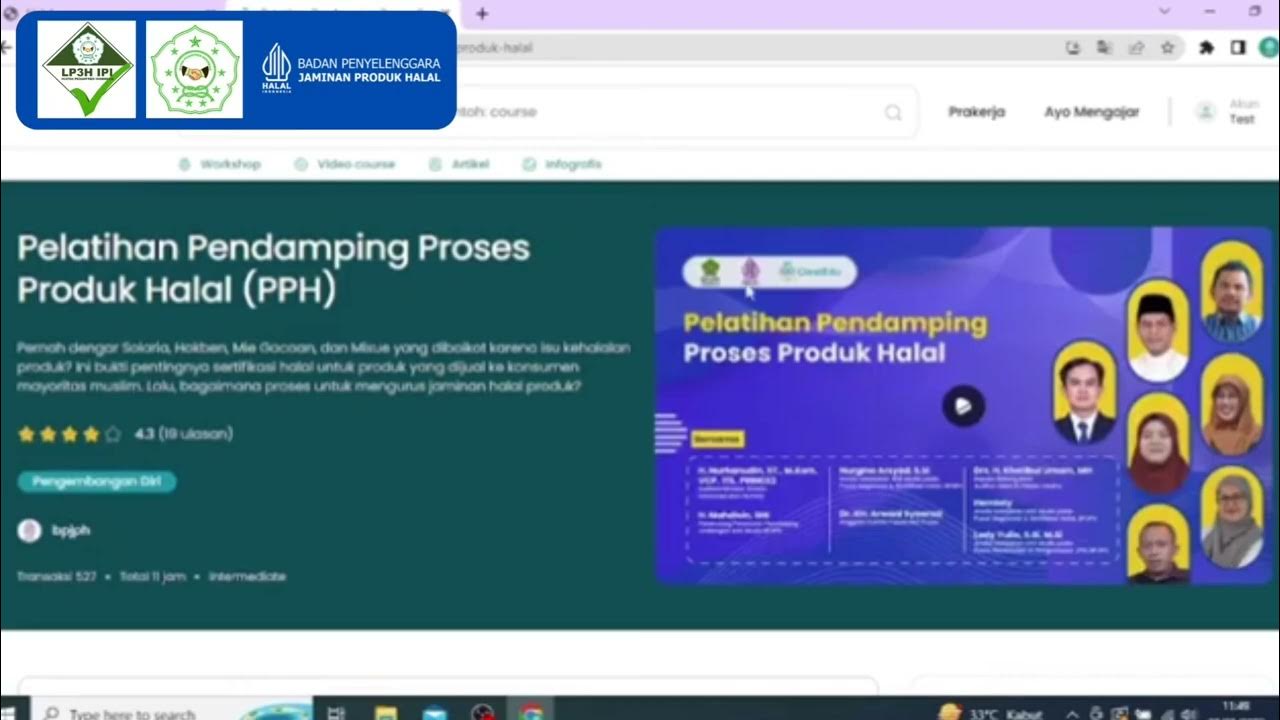
Cara mengikuti pelatihan pendamping proses produk halal

4.2. Budi Setyo Hartoto_Objek dan Syarat Pengawas JPH & Lingkup Pengawasan LPH
5.0 / 5 (0 votes)

