👉 Ovulation Explained in 3D: Inside the Ovary | LH Surge, Egg Release & Hormones Explained
Summary
TLDRThis video explores the intricate process of ovulation, revealing the journey of a single egg from follicle development to potential fertilization. It details how FSH stimulates follicle growth, granulosa cells produce estrogen, and the dominant follicle triggers an LH surge that leads to ovulation. The released egg is captured by the fallopian tube, while the ruptured follicle transforms into the corpus luteum, producing progesterone to prepare the uterine lining for pregnancy. The video also highlights the short window for fertilization, hormonal feedback mechanisms, and the importance of understanding fertility cycles, offering viewers a visually stunning and educational journey inside the human ovary.
Takeaways
- 🧠 The menstrual cycle begins with signals from the brain, where the hypothalamus releases GnRH to stimulate the pituitary gland.
- 🩸 The pituitary gland releases FSH (follicle-stimulating hormone), which travels to the ovaries to activate immature follicles.
- 🥚 Each ovarian follicle contains an immature egg surrounded by granulosa cells that nourish and support its development.
- 🌸 Growing follicles produce estrogen, which helps thicken the uterine lining in preparation for a possible pregnancy.
- 🏆 Usually one follicle becomes dominant while the others degenerate through a process called atresia.
- 💧 The dominant follicle matures into a Graafian follicle, a large fluid-filled structure ready for ovulation.
- 📈 High estrogen levels from the mature follicle trigger a sudden surge of luteinizing hormone (LH) from the pituitary gland.
- ⚡ The LH surge initiates ovulation by causing the follicle wall to weaken and eventually rupture.
- 🎯 Ovulation typically occurs around day 14 of the cycle, releasing the mature egg from the ovary.
- 🌊 Finger-like fimbriae at the end of the fallopian tube help capture the released egg and guide it into the tube.
- 🚶 The egg travels toward the uterus with the help of cilia and gentle muscular contractions inside the fallopian tube.
- 🟡 After ovulation, the ruptured follicle transforms into the corpus luteum, a temporary endocrine gland.
- 🧬 The corpus luteum produces progesterone and estrogen to maintain a thick, nutrient-rich uterine lining.
- ⏳ The released egg remains viable for fertilization for only about 12 to 24 hours after ovulation.
- 👶 If fertilization occurs, the embryo produces hCG, which preserves the corpus luteum and supports pregnancy.
- 📉 If fertilization does not occur, the corpus luteum degenerates, causing progesterone and estrogen levels to fall.
- 🩹 The drop in hormone levels triggers the shedding of the uterine lining, resulting in menstruation.
- 🔄 Ovulation is described as a complex hormonal dance involving the brain, pituitary gland, and ovaries.
- 🌡️ Changes in basal body temperature and cervical mucus can help indicate when ovulation is approaching or has occurred.
- ✨ Understanding ovulation and the menstrual cycle is important for fertility awareness and reproductive health.
Q & A
What initiates the follicular phase in the ovary?
-The follicular phase is initiated by FSH (follicle-stimulating hormone) released from the pituitary gland, which stimulates the growth of ovarian follicles.
What role do granulosa cells play in follicle development?
-Granulosa cells surround the developing egg, nourishing and supporting it while producing estrogen, which signals the uterus to prepare for a potential pregnancy.
How is the dominant follicle selected during the menstrual cycle?
-After about a week, one follicle outpaces the others in growth due to receiving more FSH. The other follicles degenerate through atresia, while the dominant follicle matures for ovulation.
What is the Graafian follicle and what happens inside it?
-The Graafian follicle is the mature, fluid-filled follicle ready for ovulation. Inside, the egg completes its first meiotic division and is protected by cumulus cells, while the follicle produces high levels of estrogen.
How does the estrogen produced by the follicle affect the brain?
-Initially, estrogen suppresses pituitary hormone release, but when it peaks, it triggers a positive feedback effect that causes a surge in luteinizing hormone (LH), which is crucial for ovulation.
What triggers ovulation and what happens during this process?
-Ovulation is triggered by the LH surge, which prompts the egg to complete maturation and causes enzymes and increased fluid pressure to weaken the follicle wall, leading to the release of the mature egg into the pelvic cavity.
How does the fallopian tube capture the released egg?
-Fimbriae, finger-like projections at the end of the fallopian tube, create gentle currents that sweep the released egg into the tube, where cilia and muscular contractions propel it toward the uterus.
What happens to the ruptured follicle after ovulation?
-The ruptured follicle transforms into the corpus luteum, a temporary endocrine gland that produces progesterone and some estrogen to prepare the uterine lining for possible implantation of a fertilized egg.
How long is the egg viable for fertilization after ovulation?
-The egg remains viable for fertilization for only 12 to 24 hours after ovulation, making the fertilization window very short.
What occurs if fertilization does not happen?
-If fertilization does not occur, the egg disintegrates and the corpus luteum degenerates after 10 to 14 days, causing progesterone and estrogen levels to drop, which triggers the shedding of the uterine lining (menstruation).
What hormonal signals initiate the menstrual cycle from the brain?
-The hypothalamus releases GnRH (gonadotropin-releasing hormone), which signals the pituitary gland to release FSH, initiating follicle growth and starting the menstrual cycle.
How can individuals track ovulation and fertility awareness?
-Internal signs like changes in basal body temperature and cervical mucus can indicate approaching or recent ovulation, helping individuals understand their fertility patterns.
Outlines

このセクションは有料ユーザー限定です。 アクセスするには、アップグレードをお願いします。
今すぐアップグレードMindmap

このセクションは有料ユーザー限定です。 アクセスするには、アップグレードをお願いします。
今すぐアップグレードKeywords

このセクションは有料ユーザー限定です。 アクセスするには、アップグレードをお願いします。
今すぐアップグレードHighlights

このセクションは有料ユーザー限定です。 アクセスするには、アップグレードをお願いします。
今すぐアップグレードTranscripts

このセクションは有料ユーザー限定です。 アクセスするには、アップグレードをお願いします。
今すぐアップグレード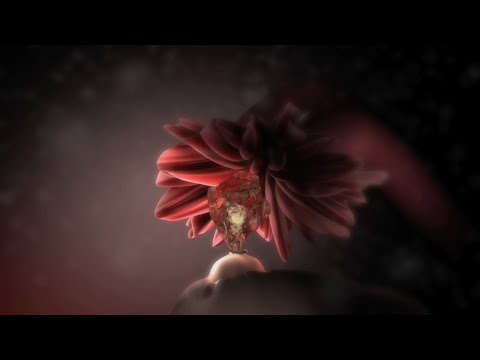



5.0 / 5 (0 votes)

