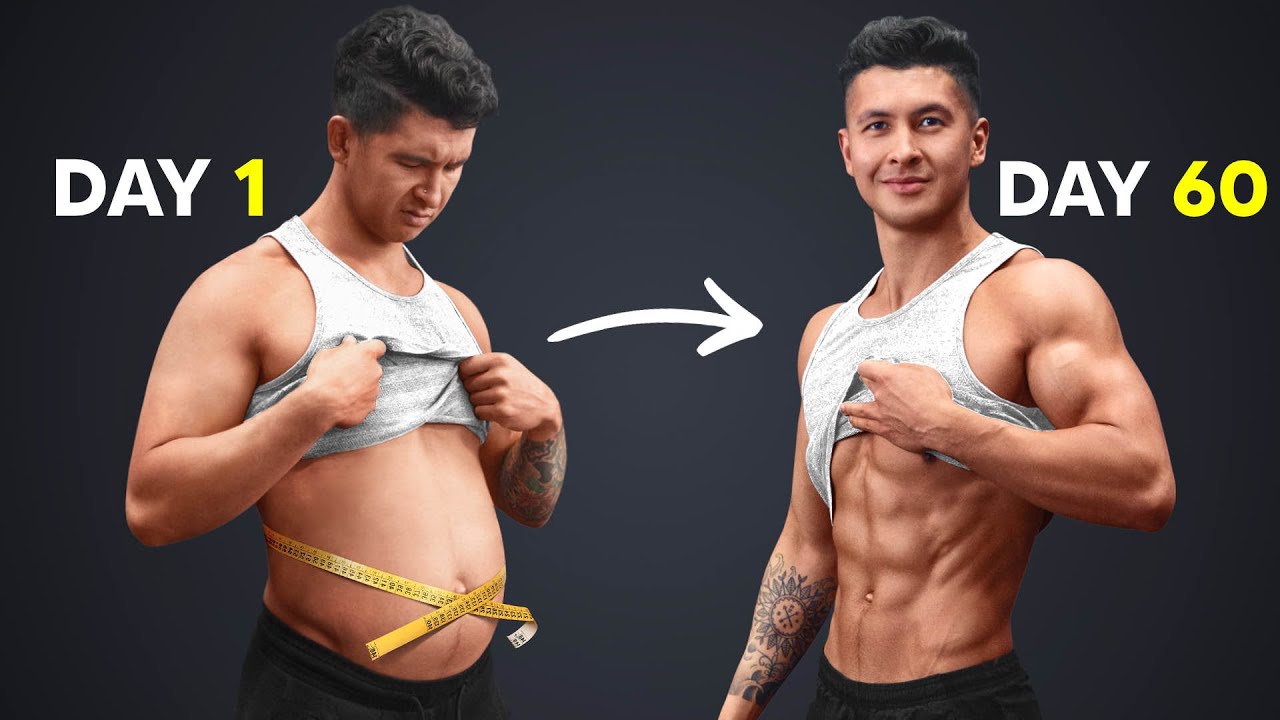
If I Had 60 Days to Get Lean, I'd Do This
Summary
TLDRThis video provides a complete, step-by-step guide to sustainable fat loss and long-term maintenance. It breaks the process into six key areas: starting point, nutrition, movement, tracking, adjustments, and maintenance. Viewers learn how to set realistic weight loss goals based on body composition, create a calorie deficit while preserving muscle, incorporate resistance training and low-impact cardio, track progress through multiple methods, and adjust their plan as their body changes. The emphasis is on building lasting habits, maintaining results, and prioritizing overall health and quality of life, rather than chasing rapid or unsustainable fat loss.
Takeaways
- 💪 Sustainable fat loss is more important than quick results, and the goal should be to lose weight in a way that can be maintained long term.
- 🌞 You do not need to lose fat to enjoy summer or feel confident — body confidence is a mindset, not a specific physique.
- 📋 Successful fat loss can be broken down into six key areas: starting point, nutrition, movement, tracking changes, adjustments, and maintenance.
- ⚖️ Your calorie deficit and weight loss strategy should depend on your current body composition and how much fat you realistically want to lose.
- 🥗 Building meals around protein, fruits, and vegetables helps preserve muscle, improve fullness, manage hunger, and support overall health during a deficit.
- 🍗 Consuming around 0.7–1 gram of protein per pound of body weight can help maintain or build muscle while losing fat.
- 🔥 Fat loss fundamentally comes from being in a calorie deficit, meaning you consume fewer calories than your body burns.
- 🚶 Adding daily movement like walking or low-impact cardio can make fat loss more sustainable by allowing you to eat more while still maintaining a deficit.
- 🏋️ Resistance training is highly recommended because it helps retain and build muscle, improving body composition and preventing a ‘skinny fat’ appearance.
- 📉 A realistic and muscle-friendly fat loss rate is usually around 0.5–0.7% of body weight per week for most people.
- 📊 Tracking progress through weekly averages, progress photos, body measurements, or how clothes fit is more reliable than relying only on the scale.
- 🔄 As body weight decreases, maintenance calories also decrease, meaning calorie intake or activity levels may need adjustments over time.
- 🧠 Weight fluctuations during hormonal cycles are normal and should not automatically be interpreted as fat gain or failure.
- 🛠️ Fat loss requires ongoing trial and error, and adjustments are a normal part of the process rather than a sign of failure.
- 🌱 Long-term maintenance depends on building sustainable habits during the dieting phase, such as balanced eating, portion control, and consistent movement.
- 🔙 After reaching a goal weight, transitioning back to maintenance should be done gradually by increasing calories or reducing activity slowly.
- 📈 A temporary weight increase after dieting is normal due to food volume, water retention, and metabolic adaptation.
- ❤️ Health and quality of life are more important than achieving an unsustainably lean physique.
- 🎯 Consistency and simply getting started matter more than finding the ‘perfect’ fat loss plan.
- ✨ The creator emphasizes that lasting fat loss success comes from sustainable lifestyle changes rather than temporary dieting.
Q & A
What are the six main pillars of the fat loss system described in the video?
-The six pillars are: 1) Starting Point, 2) Nutrition/Diet, 3) Movement, 4) Tracking, 5) Adjustments, and 6) Maintenance. Each pillar is essential for sustainable fat loss and long-term results.
How should someone determine their starting point for fat loss?
-Assess body composition and categorize as 'Very Fluffy,' 'Medium Fluffy,' or 'Not Very Fluffy.' This helps determine the intensity of the calorie deficit and the realistic weight loss goal over 12 weeks.
What is the recommended weekly weight loss to preserve muscle?
-Aim for roughly 0.7% of your body weight per week, as this allows fat loss while maintaining or even building muscle. More aggressive loss risks losing muscle mass.
How should protein intake be structured during a fat loss phase?
-Protein should be the focus of every meal, at around 0.7–1 g per pound of body weight daily. Slightly higher intake is recommended if the calorie deficit is large, and slightly lower if the deficit is moderate.
What role does movement play in fat loss and how should it be implemented?
-Movement helps create a sustainable calorie deficit and improves physical and mental health. Recommended: 30–60 minutes of low-impact cardio daily, plus 3–4 days of resistance training to maintain muscle.
How should progress be tracked beyond just using a scale?
-Use multiple methods: weekly progress photos, body measurements (waist, arms, hips, chest), clothing fit, and optionally a tracker to average weekly weight changes. This provides a fuller picture of body composition changes.
What adjustments should be made if fat loss plateaus?
-As body weight decreases, maintenance calories also drop. Adjust by either lowering daily calorie intake slightly or increasing movement to maintain the intended deficit and continue losing weight at the target rate.
How should one transition from a fat loss phase to maintenance?
-Gradually increase calories and reduce deficit while retaining healthy habits like sufficient protein, fiber intake, portion control, and daily movement. Monitor weight and body changes to stabilize at a sustainable level.
Why is it important to focus on sustainable habits rather than aggressive short-term results?
-Sustainable habits help prevent rebound weight gain and support long-term health. Extreme deficits may result in muscle loss, energy depletion, and an unsustainable lifestyle that is difficult to maintain.
How does body composition affect calorie deficit recommendations?
-Those with higher body fat (Very Fluffy) can tolerate a larger deficit, while those with lower body fat (Not Very Fluffy) need smaller, slower deficits to preserve muscle. Medium Fluffy individuals fall in between and should aim for moderate deficits.
What are some practical tips for implementing this fat loss plan effectively?
-Start immediately even if imperfect, pair protein with every meal, include vegetables and fruits for satiety, track changes consistently, adjust calories gradually, focus on movement you enjoy, and prioritize sustainable habits over perfection.
Outlines

このセクションは有料ユーザー限定です。 アクセスするには、アップグレードをお願いします。
今すぐアップグレードMindmap

このセクションは有料ユーザー限定です。 アクセスするには、アップグレードをお願いします。
今すぐアップグレードKeywords

このセクションは有料ユーザー限定です。 アクセスするには、アップグレードをお願いします。
今すぐアップグレードHighlights

このセクションは有料ユーザー限定です。 アクセスするには、アップグレードをお願いします。
今すぐアップグレードTranscripts

このセクションは有料ユーザー限定です。 アクセスするには、アップグレードをお願いします。
今すぐアップグレード関連動画をさらに表示

Build The Perfect Meal Plan To Get Ripped (4 Easy Steps)

If I Was Starting Over 20% BodyFat Here's What I'd Do...

How To Go From 35% to 15% Body Fat (5 Steps)

7 Most Underrated Tactics For Losing Fat Indefinitely

How I Went From 20% to 9% Body Fat Fast (no bullsh*t guide)
How to Get Lean in 60 Days (And STAY Lean Forever)
5.0 / 5 (0 votes)

