A história dos computadores e da internet e o acesso à informação | Parte IV
Summary
TLDRThis educational video explores the history of the internet, its global impact, and the importance of digital inclusion. It begins by discussing the internet's origins in the 1960s as a military tool and its evolution into the World Wide Web, which revolutionized communication, commerce, and entertainment. The video highlights the development of internet access in Brazil and emphasizes the significance of digital inclusion—ensuring equal access to technology and knowledge. It underscores that true digital inclusion is about both access to tools and the skills to use them for personal and social progress.
Takeaways
- 😀 The internet is a global network of interconnected computers that does not belong to any government or company.
- 😀 The internet revolutionized communication by enabling real-time conversations across great distances at low cost.
- 😀 The term 'cyberspace,' coined by William Gibson in 1984, refers to virtual spaces where information flows without borders.
- 😀 The internet originated in the 1960s in the United States as a military information network during the Cold War.
- 😀 The World Wide Web (www) was developed in 1989 by Tim Berners-Lee, which allowed for images, sound, and video transmission over the internet.
- 😀 The internet became widely accessible to the public in the 1990s, with services like the World Wide Web, e-commerce, and internet service providers (ISPs) emerging.
- 😀 The internet facilitated the rise of social media networks (e.g., Orkut, Facebook, Twitter, Instagram) and streaming services (e.g., Netflix, YouTube, Spotify).
- 😀 The internet is considered a major technological milestone, connecting people, cultures, and information globally.
- 😀 In Brazil, the internet began to spread in the late 1980s, with significant advancements in 1989 with the foundation of the National Network for Education and Research (RNP).
- 😀 Digital inclusion is not just about providing access to computers and the internet, but ensuring people have the skills to effectively use technology for social and economic advancement.
Q & A
What is the internet, according to the video script?
-The internet is a global network of interconnected computers that does not belong to any government or company. It enables real-time communication across long distances, access to information, and the sharing of content, all at a relatively low cost.
Who created the term 'cyberspace' and what does it mean?
-The term 'cyberspace' was created by American author William Gibson in 1984. It refers to a virtual, borderless space where information circulates through computer networks, such as the internet.
How did the internet originate, and what was its initial purpose?
-The internet originated in the United States in the 1960s during the Cold War as a military information network connecting research centers. Its goal was to protect defense systems in the event of a nuclear attack by avoiding a central point of failure.
Who developed the World Wide Web and what was its impact?
-Tim Berners-Lee, an English researcher at CERN, developed the World Wide Web in 1980. It enabled the transmission of images, sound, and video over the internet, which previously only transmitted text, making the internet widely accessible to the general public.
What is internet neutrality, and why is it important?
-Internet neutrality is the principle that all information on the internet should be treated equally. It ensures that users can access content at the same speed without discrimination, maintaining fair and unrestricted access to all online information.
When and how did the internet develop in Brazil?
-The internet arrived in Brazil in the late 1980s when universities began sharing information with the United States. In 1989, the National Education and Research Network (RNP) was created to promote internet access nationwide. By 2011, around 80% of the population had internet access.
What challenges still exist regarding digital inclusion?
-Despite increased access to technology, some people remain excluded due to a lack of devices, infrastructure, or knowledge on how to use digital tools. This digital divide prevents equal participation in the modern technological world.
How does the video define digital inclusion?
-Digital inclusion is defined as the promotion and democratization of access to information and communication technologies (ICTs), especially for low-income individuals. It involves not just providing technology but also ensuring people have the skills to use it effectively.
What three basic requirements are necessary for digital inclusion?
-The three basic requirements for digital inclusion are: 1) a computer, 2) internet access, and 3) the knowledge and skills to effectively use internet tools and technologies.
Why is it not enough to simply give someone a computer to achieve digital inclusion?
-Simply giving someone a computer does not achieve digital inclusion because the individual also needs the skills to use the technology effectively. Inclusion requires enabling people to apply their knowledge to improve their social, educational, and professional opportunities.
Outlines

このセクションは有料ユーザー限定です。 アクセスするには、アップグレードをお願いします。
今すぐアップグレードMindmap

このセクションは有料ユーザー限定です。 アクセスするには、アップグレードをお願いします。
今すぐアップグレードKeywords

このセクションは有料ユーザー限定です。 アクセスするには、アップグレードをお願いします。
今すぐアップグレードHighlights

このセクションは有料ユーザー限定です。 アクセスするには、アップグレードをお願いします。
今すぐアップグレードTranscripts

このセクションは有料ユーザー限定です。 アクセスするには、アップグレードをお願いします。
今すぐアップグレード関連動画をさらに表示
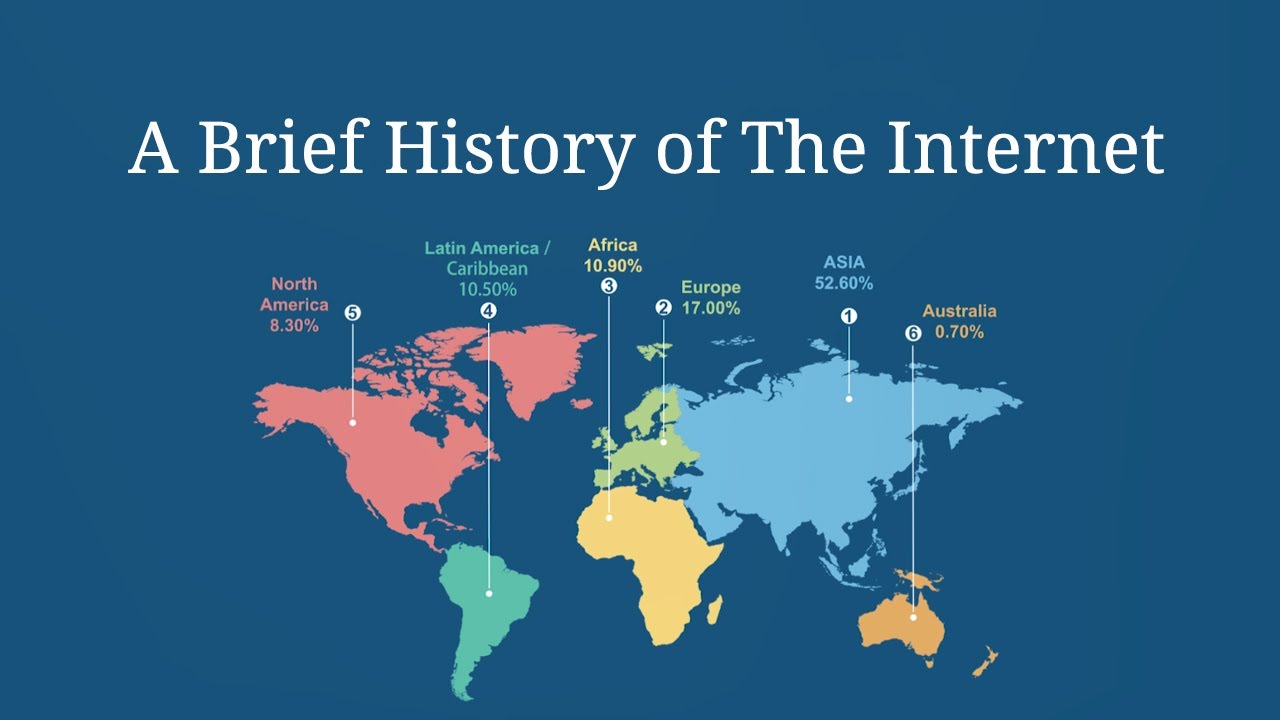
A Brief History of the Internet

A importância da inclusão digital no Brasil | REDAÇÃO ENEM
Video Pembelajaran | Kurikulum Nasional | Kelas X SMA | INFORMATIKA JARINGAN KOMPUTER DAN INTERNET

Materi Informatika Kelas 10 BAB 4 Jaringan Internet
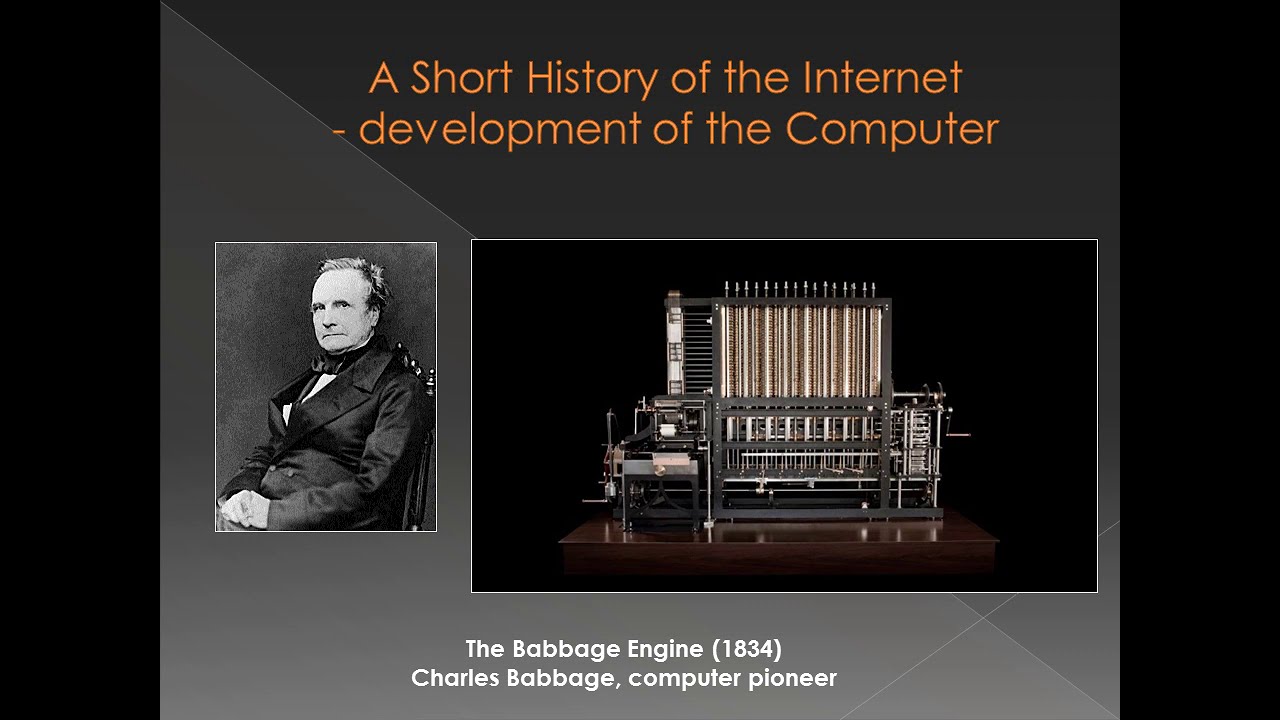
COM410 INTERNET PART 1
Trends, Network and Critical Thinking | Information Communication Technology (ICT)
5.0 / 5 (0 votes)

