PRINSIP KIMIA HIJAU DAN APLIKASI NYATA DALAM KEHIDUPAN SEHARI-HARI
Summary
TLDRThis video explores the world of green chemistry, revealing its role as an environmentally friendly superhero in chemical processes. It introduces the 12 principles of green chemistry, from waste prevention and maximizing atom economy to using safer solvents, renewable resources, and energy-efficient methods. Each principle is illustrated with real-life examples, such as biodegradable plastics, eco-friendly detergents, and safer industrial processes. The video emphasizes that green chemistry is not just theory—it is already integrated into daily life, making chemical processes safer, cleaner, and more sustainable. Viewers are encouraged to appreciate and adopt these practices for a healthier planet.
Takeaways
- 😀 Green chemistry focuses on minimizing waste and environmental harm by using safer chemicals and processes.
- 😀 The first principle of green chemistry is to prevent waste rather than clean it up after the fact.
- 😀 Maximizing atomic economy ensures that all atoms in a reaction contribute to the final product, reducing unnecessary waste.
- 😀 Green chemistry encourages choosing synthesis methods that minimize toxicity to both humans and the environment.
- 😀 Using safer chemicals and solvents is a key principle in green chemistry, replacing hazardous substances with safer alternatives.
- 😀 Energy efficiency is crucial, aiming for chemical reactions that can occur at normal temperatures and pressures, saving energy.
- 😀 Green chemistry advocates for using renewable raw materials, such as agricultural products, over non-renewable resources like fossil fuels.
- 😀 Reducing the number of chemical derivatives in a reaction minimizes waste and extra processing steps.
- 😀 Catalysts play an important role in increasing reaction efficiency, reducing waste, and enabling reactions to occur at lower temperatures.
- 😀 Designing products that degrade after use prevents accumulation of harmful waste in the environment, such as biodegradable plastics and detergents.
Q & A
What is green chemistry?
-Green chemistry is the design of chemical products and processes that reduce or eliminate the use and generation of hazardous substances. It aims to create sustainable and environmentally friendly chemical reactions.
What is the first principle of green chemistry?
-The first and most important principle of green chemistry is 'Prevention of waste'. It emphasizes preventing waste generation during chemical processes rather than dealing with waste after it has been produced.
How does green chemistry help in waste reduction?
-Green chemistry reduces waste by designing chemical processes that minimize or eliminate harmful byproducts. For example, industries today design packaging that can be fully recycled, reducing waste in the environment.
What is the concept of 'atom economy' in green chemistry?
-Atom economy refers to maximizing the number of atoms from reactants that end up in the final product, minimizing waste at the molecular level. A good example is modern synthetic methods, which have near 100% atom economy compared to older methods.
What role does toxicity play in the choice of synthesis methods?
-In green chemistry, synthesis methods that use less toxic chemicals are preferred. Choosing safer solvents, like water or ethanol, over toxic solvents like benzene, helps reduce environmental and health risks.
How can chemical processes be made safer according to green chemistry principles?
-Chemical processes can be designed to use safer chemicals and solvents, reducing hazards. An example is replacing toxic insecticides like DDT with more targeted and biodegradable alternatives that are safer for the environment.
Why is energy efficiency important in green chemistry?
-Energy efficiency is key in green chemistry as it ensures chemical processes require less energy. For example, polyethylene products are now made using methods that operate at much lower temperatures compared to traditional processes.
What are renewable raw materials, and why are they important in green chemistry?
-Renewable raw materials are those that come from renewable resources like agricultural products or natural resources. Using these materials, like biodiesel from used cooking oil, helps reduce reliance on non-renewable fossil fuels and promotes sustainability.
How does the use of catalysts contribute to green chemistry?
-Catalysts are substances that speed up chemical reactions without being consumed. They improve reaction selectivity, reduce waste, and lower energy requirements. For instance, catalytic converters in cars help reduce harmful emissions.
What is the significance of product biodegradability in green chemistry?
-Biodegradability ensures that products break down naturally and do not accumulate in the environment. Green chemistry focuses on designing products, like biodegradable plastics and detergents, that decompose safely and do not contribute to long-term pollution.
Outlines

このセクションは有料ユーザー限定です。 アクセスするには、アップグレードをお願いします。
今すぐアップグレードMindmap

このセクションは有料ユーザー限定です。 アクセスするには、アップグレードをお願いします。
今すぐアップグレードKeywords

このセクションは有料ユーザー限定です。 アクセスするには、アップグレードをお願いします。
今すぐアップグレードHighlights

このセクションは有料ユーザー限定です。 アクセスするには、アップグレードをお願いします。
今すぐアップグレードTranscripts

このセクションは有料ユーザー限定です。 アクセスするには、アップグレードをお願いします。
今すぐアップグレード関連動画をさらに表示
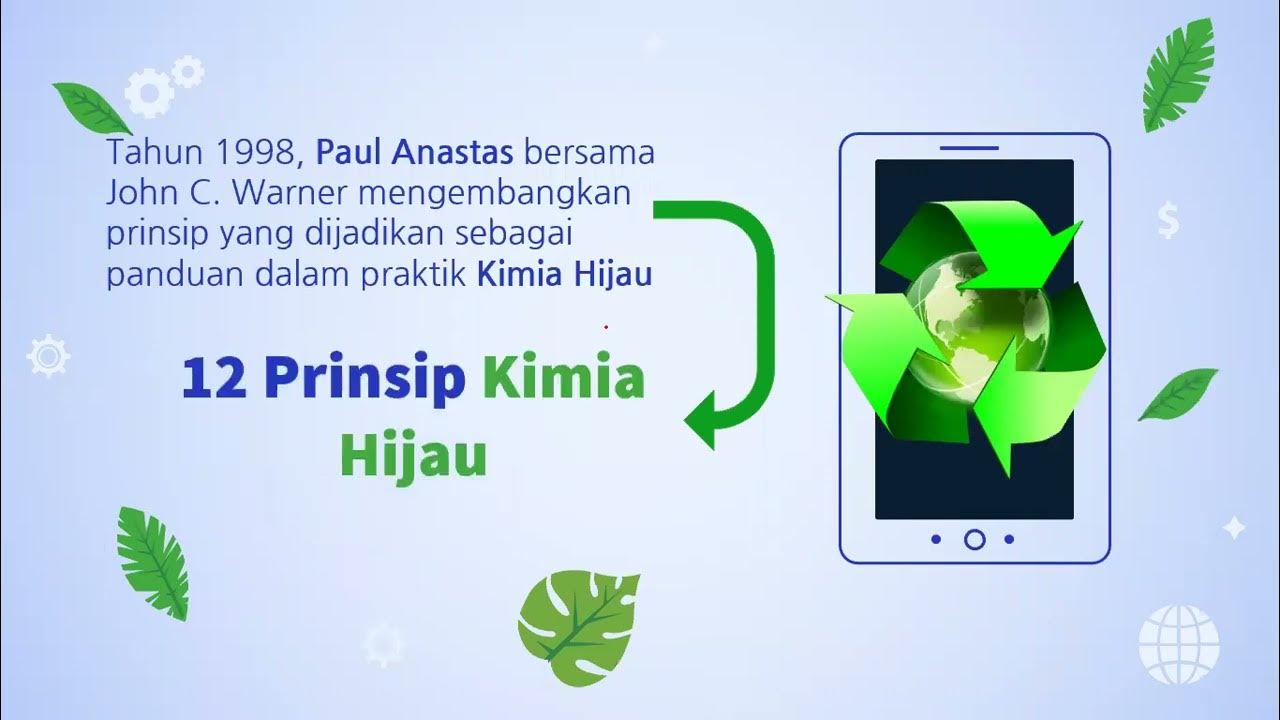
KIMIA HIJAU : 12 Prinsip Kimia Hijau dan Penerapannya

Kimia Hijau/Green Chemistry, penerapan dan contohnya - Kimia kelas 10 Kurikulum Merdeka

🔴KIMIA HIJAU (GREEN CHEMISTRY) DALAM PEMBANGUNAN BERKELANJUTAN 2030 BAGIAN-1 KIMIA KLS X (FASE-E)

Kimia Hijau & Pemanasan Global by XE_Tien_dkk

Animasi 12 Prinsip Green Chemistry 🥽🥼🌲🌿 atau Gerakan Kimia Hijau - Kurikulum Merdeka
Konsep Kimia Hijau ( Green Chemistry) part.1
5.0 / 5 (0 votes)

