Cách nhanh nhất để nâng cấp bản thân | Sách Deep Work
Summary
TLDRThis video explores the concept of 'Deep Work,' a term coined by Cal Newport, emphasizing the importance of intense focus in an increasingly distracted world. It contrasts deep work—highly focused, mentally demanding tasks—with shallow work—quick, low-energy tasks that provide instant gratification but lack long-term value. Newport discusses strategies for achieving deep work, such as creating structured time blocks and reducing digital distractions. The video argues that mastering deep work leads to higher productivity and more meaningful results, and it offers practical steps to incorporate this approach into daily life, ultimately encouraging a more focused, purposeful existence.
Takeaways
- 😀 Deep work is essential for high-quality, focused productivity, but it requires consistent effort and deliberate scheduling.
- 😀 Shallow work, such as responding to emails and attending meetings, often creates a false sense of productivity but does not contribute to long-term value.
- 😀 The ability to focus deeply is becoming a rare superpower in today's distracted world, where constant notifications and information overload dominate.
- 😀 Cal Newport's concept of deep work encourages eliminating distractions, focusing on one task at a time, and avoiding shallow work that eats up valuable time.
- 😀 To start practicing deep work, establish a fixed time and space for it, and set specific, measurable goals for each session.
- 😀 A digital detox is necessary to avoid the addictive nature of social media and other distracting apps. You should evaluate if these distractions help you reach your long-term goals.
- 😀 Balance is crucial; while deep work is valuable, a good life also includes social interactions, creativity, and relaxation. Over-focus on deep work can lead to burnout.
- 😀 Regular breaks and rest are necessary to recharge the brain after deep work. Without recovery, sustained productivity and focus become difficult.
- 😀 A useful question to ask daily is: *What is the most impactful task for my career, and how much time have I devoted to it today?* This helps prioritize deep work over trivial tasks.
- 😀 The concept of 'attention residue' shows that interruptions, even small ones like checking emails, can cause your focus to fragment and waste time.
- 😀 Starting with small, manageable sessions of deep work—like 60 minutes a day—can lead to significant improvements over time as you build the habit and mental stamina for focus.
Q & A
What is 'Deep Work' and why is it important?
-Deep Work is the ability to focus without distraction on a cognitively demanding task. It is important because it helps produce high-quality work, fosters deep thinking, and leads to significant accomplishments. In a world filled with distractions, the ability to engage in deep work is becoming a rare and valuable skill.
What is the difference between 'Deep Work' and 'Shallow Work'?
-Deep Work refers to activities that require intense focus and mental effort, such as writing, research, or problem-solving, and lead to high-quality results. Shallow Work, on the other hand, involves tasks that are low in cognitive demand, such as answering emails or attending meetings, which may be necessary but don't produce significant outcomes.
How does digital distraction impact our ability to do Deep Work?
-Digital distractions, such as social media notifications and constant emails, fragment our attention and make it difficult to stay focused for extended periods. This leads to a reduction in the quality of our work and makes it harder to engage in deep, uninterrupted thought, ultimately lowering productivity and creativity.
Why is our brain naturally inclined towards shallow work?
-The brain is designed to conserve energy and prioritize tasks that are easy and require less cognitive effort. Shallow work often provides immediate gratification, like responding to messages or checking notifications, whereas deep work requires sustained effort and can be mentally exhausting, making the brain naturally avoid it.
What does Cal Newport mean by the term 'Attention Residue'?
-Attention Residue refers to the mental energy left behind after switching from one task to another. When you move from a deep task to a shallow one (like checking email), part of your attention stays on the previous task, which reduces your ability to fully engage in the next task, leading to lower efficiency and productivity.
How can you combat distractions and improve focus?
-To combat distractions, you can schedule fixed periods for deep work, turn off notifications, and create a designated space for focused tasks. By establishing routines and setting clear goals for each work session, you can train your brain to focus better and maintain a high level of productivity.
What is the role of 'rituals' or 'ritualizing' Deep Work?
-Ritualizing Deep Work involves creating specific habits or routines that signal to your brain when it is time to focus. This could include setting a fixed time for deep work, choosing a particular workspace, or using cues like noise-canceling headphones to help your brain switch into a state of high concentration.
What is the concept of 'Shallow Work' in the context of the modern workplace?
-Shallow Work in the modern workplace includes tasks like replying to emails, attending meetings, or handling administrative duties. While these tasks are necessary, they do not contribute to the creation of significant value or require deep intellectual engagement. The rise of shallow work is a result of digital tools that prioritize quick responses and multitasking.
How does Deep Work contribute to professional success and career growth?
-Deep Work allows individuals to produce high-quality work that stands out, leading to career growth and recognition. By mastering complex skills, creating impactful projects, and solving difficult problems, people who practice deep work can achieve more in less time, gaining a competitive edge in their careers.
What is the ideal approach to integrating Deep Work into a busy schedule?
-The ideal approach is to set aside dedicated blocks of time for Deep Work each day, even if it's just 60-90 minutes. By making this a habit, it becomes easier to focus and get into a flow state. Additionally, balancing deep work with shallow work and allowing for mental recovery during breaks is essential for maintaining long-term productivity.
Outlines

このセクションは有料ユーザー限定です。 アクセスするには、アップグレードをお願いします。
今すぐアップグレードMindmap

このセクションは有料ユーザー限定です。 アクセスするには、アップグレードをお願いします。
今すぐアップグレードKeywords

このセクションは有料ユーザー限定です。 アクセスするには、アップグレードをお願いします。
今すぐアップグレードHighlights

このセクションは有料ユーザー限定です。 アクセスするには、アップグレードをお願いします。
今すぐアップグレードTranscripts

このセクションは有料ユーザー限定です。 アクセスするには、アップグレードをお願いします。
今すぐアップグレード関連動画をさらに表示
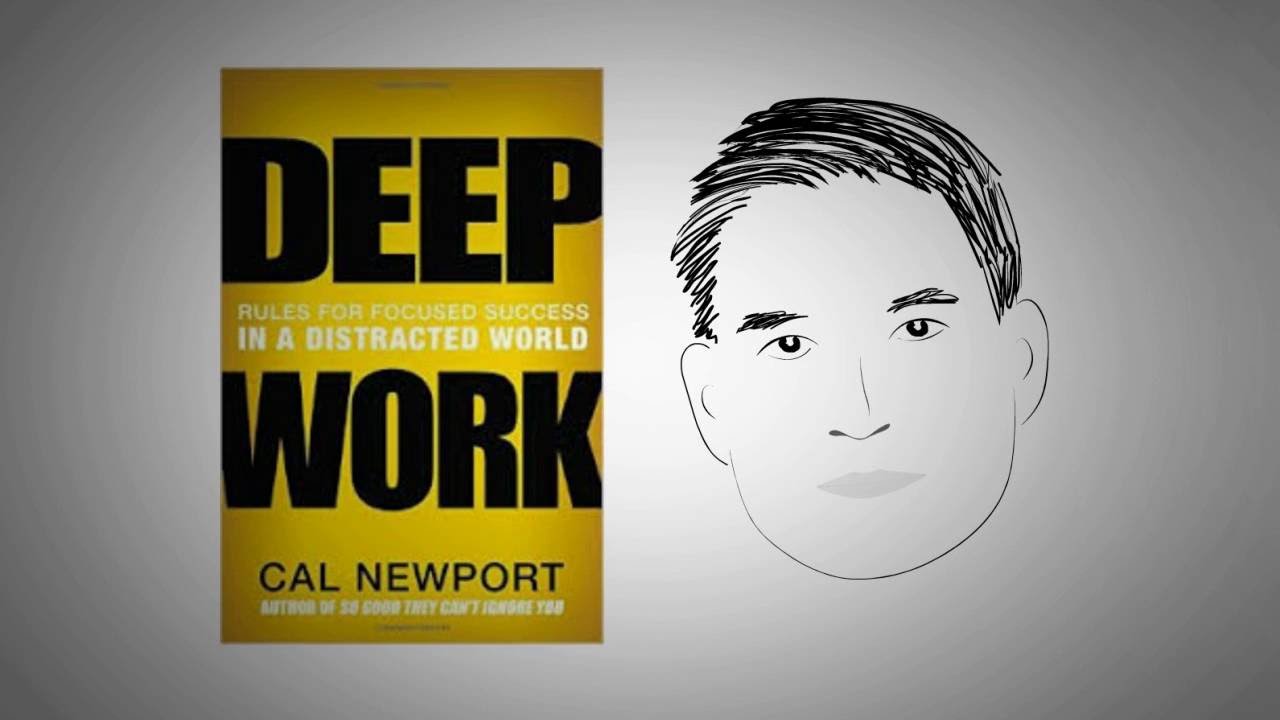
Success in a distracted world: DEEP WORK by Cal Newport

Kekuatan Fokus untuk Menyelesaikan Masalah yang Sulit | Deep Work
Becoming Hyper Focused Is Easy, Actually

The Complete Guide to Developing Your Focus

La FORMULA de AYANOKOUJI KIYOTAKA Para ESTUDIAR como un GENIO | DEEPWORK

how to stay HYPER focused in a distracted world
5.0 / 5 (0 votes)

