HARI KE 2 MUHAMAD NUH SDN 1 PANYINDANGAN WA INNANNAASA
Summary
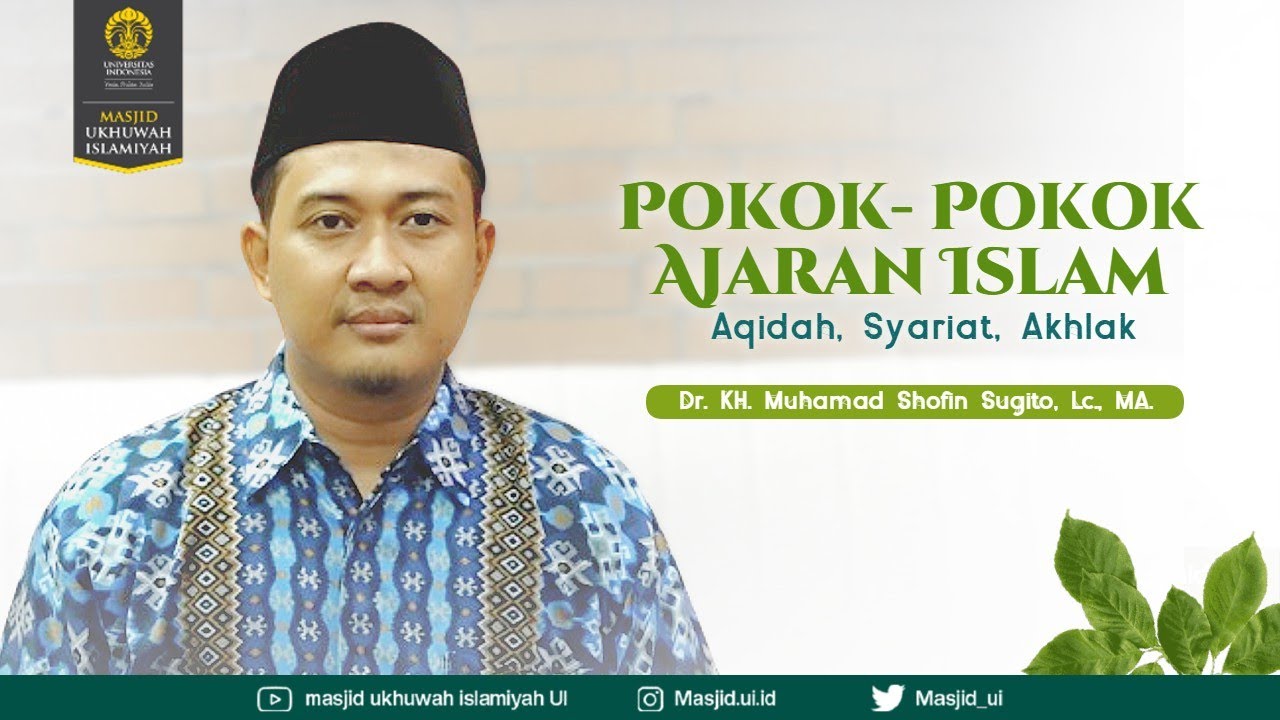
TLDRThis Islamic lecture focuses on the importance of good character (akhlak) over external appearances. The speaker emphasizes that while people may admire physical beauty or wealth, it is a person’s akhlak that truly defines their worth in Islam. Using metaphors like agarwood, the speaker highlights how a person’s inner qualities are more enduring and valuable. The lecture encourages young people to focus on developing both their knowledge and ethical conduct, as these are key to building lasting relationships and earning respect in both this life and the hereafter.
Takeaways
- 😀 Human beings are judged by their **character** and **behavior**, not by their **appearance** or **clothing**.
- 😀 Appearance is **temporary** and can change with age, illness, or circumstances, while **character** remains constant.
- 😀 Good **character** determines how people interact with others, including how they speak, treat others, and react to situations.
- 😀 **Character** is important for **long-term relationships** in work, family, and friendship.
- 😀 People who appear attractive but have a **bad attitude** will often be avoided, whereas people with a **simple appearance** but **good character** are more likely to be liked.
- 😀 In Islam, **true worth** is not about appearance or wealth, but about **taqwa** (God-consciousness) and **good deeds**.
- 😀 The **Prophet Muhammad** (PBUH) and the Qur'an emphasize that **Allah** looks at the **heart** and **deeds**, not physical appearance.
- 😀 Good **character** is likened to **agarwood** (gaharu), which is valuable for its **fragrance**. Without good character, people cannot reveal their true worth.
- 😀 Knowledge without **good character** is **useless**. Even the most knowledgeable person is disliked if their **behavior** is bad.
- 😀 People with **bad character** but high intellect often **disappoint** others and have a larger, more negative impact on society.
- 😀 **Islamic teachings** stress that true knowledge should lead to greater **taqwa** and **humility**, not to arrogance or exploitation of others.
- 😀 It is essential to **balance learning** with cultivating **good character**. Both are crucial for personal development and societal harmony.
Q & A
What is the significance of looking at a person's character rather than their appearance, according to the speaker?
-The speaker emphasizes that character, or akhlak, is more important than appearance because it is lasting and reveals a person's true qualities. While appearance can change over time, good character remains consistent and determines how people interact and feel about an individual.
Why does the speaker claim that good character (akhlak) is essential for lasting relationships?
-Good character is essential for long-lasting relationships because it influences how one treats others, resolves conflicts, and handles difficult situations. Unlike physical appearance, which may change, good character ensures that a person is respected and valued in the long term.
What is the connection between akhlak and the Islamic concept of 'taqwa'?
-In Islam, 'taqwa' refers to a person's consciousness and fear of Allah, which guides their actions. The speaker connects akhlak with taqwa, asserting that good character stems from fulfilling religious duties, such as avoiding sin and performing acts of worship, which results in an individual being righteous and beloved by others.
How does the speaker use the metaphor of agarwood (gaharu) to describe character?
-The speaker uses agarwood as a metaphor for good character, stating that just as agarwood has value due to its fragrant aroma, a person's value is determined by their good character. Without good character, a person’s true worth cannot be recognized, just as the value of agarwood remains hidden if it doesn't release its fragrance.
What is the social impact of bad character, according to the speaker?
-The speaker highlights that bad character leads to people being disliked, even if they are knowledgeable or attractive. It is not just an individual issue; bad character can harm relationships and communities, as it creates an environment of discomfort, distrust, and disrespect.
Why does the speaker warn against relying solely on physical appearance?
-The speaker warns that relying solely on physical appearance is superficial because physical traits fade with time, illness, or age. True worth lies in a person’s character, which shapes how they are perceived and treated by others. Character influences long-term relationships and personal respect.
What does the speaker say about the importance of knowledge and its relationship with good character?
-The speaker asserts that knowledge alone is not enough to make a person respectable or impactful. If a knowledgeable person lacks good character, their knowledge becomes ineffective and even harmful. In Islam, knowledge should be paired with humility, wisdom, and good character to be truly beneficial.
What does the speaker say about the concept of 'knowledge without character'?
-The speaker explains that knowledge without good character is condemned in Islam because such knowledge may lead to arrogance and unethical behavior. Knowledge should be coupled with moral conduct to be truly effective and to bring about positive change.
How does the speaker describe the impact of good character on personal and social relationships?
-The speaker describes good character as the foundation for healthy personal and social relationships. People are drawn to those with good character because it fosters trust, comfort, and respect. A person with good akhlak can build meaningful connections, whereas someone with bad character will find it difficult to form positive relationships.
According to the speaker, how should one cultivate good character in their life?
-The speaker advises that cultivating good character involves continuous self-reflection, learning from Islamic teachings, and applying them in daily life. It requires patience, practice, and striving to embody the teachings of the Prophet Muhammad (peace be upon him) in all aspects of life.
Outlines

このセクションは有料ユーザー限定です。 アクセスするには、アップグレードをお願いします。
今すぐアップグレードMindmap

このセクションは有料ユーザー限定です。 アクセスするには、アップグレードをお願いします。
今すぐアップグレードKeywords

このセクションは有料ユーザー限定です。 アクセスするには、アップグレードをお願いします。
今すぐアップグレードHighlights

このセクションは有料ユーザー限定です。 アクセスするには、アップグレードをお願いします。
今すぐアップグレードTranscripts

このセクションは有料ユーザー限定です。 アクセスするには、アップグレードをお願いします。
今すぐアップグレード



5.0 / 5 (0 votes)

