Video Animasi HIV / AIDS
Summary
TLDRThis video educates viewers about HIV and AIDS, emphasizing the importance of awareness and prevention. HIV (Human Immunodeficiency Virus) attacks the immune system, while AIDS (Acquired Immunodeficiency Syndrome) occurs when the immune system is severely weakened. The video covers how HIV is transmitted, including through unprotected sex, shared needles, and from mother to child during birth or breastfeeding. It also explains common misconceptions about HIV transmission and the importance of testing. Prevention methods, such as safe sexual practices and avoiding drug use, are discussed, with a message that we can stop HIV/AIDS by staying informed and supporting those affected.
Takeaways
- 😀 HIV is the Human Immunodeficiency Virus, which attacks the human immune system, while AIDS (Acquired Immunodeficiency Syndrome) is a collection of symptoms caused by a weakened immune system.
- 😀 HIV can affect anyone and is currently widespread, with only less than 20% of cases being detected. Over 80% remain undiagnosed.
- 😀 There is no cure for HIV/AIDS yet, but the only way to confirm HIV status is through a specific blood test.
- 😀 HIV is transmitted through infected blood, semen, vaginal fluids, and breast milk. It can also be contracted through contaminated needles (e.g., from drug use or tattoos).
- 😀 HIV can be passed on through unprotected sex, particularly with multiple partners, and from mother to child during childbirth or breastfeeding.
- 😀 Transfusions of blood contaminated with HIV can also lead to transmission of the virus.
- 😀 HIV does not spread through casual contact, such as touching, hugging, kissing, or sharing food or drink. It also does not spread through air, water, or insect bites.
- 😀 The process of HIV infection occurs in stages: initially, during the window period (1-3 months), HIV may not be detectable in blood tests.
- 😀 Infected individuals may remain asymptomatic for 5-10 years, but over time, they may develop symptoms such as prolonged fatigue and infections due to the damage to their immune system.
- 😀 There are five primary methods for preventing HIV: abstain from high-risk sexual behaviors, be loyal to your partner, always use condoms, avoid using shared needles, and seek reliable information about HIV/AIDS.
Q & A
What is HIV?
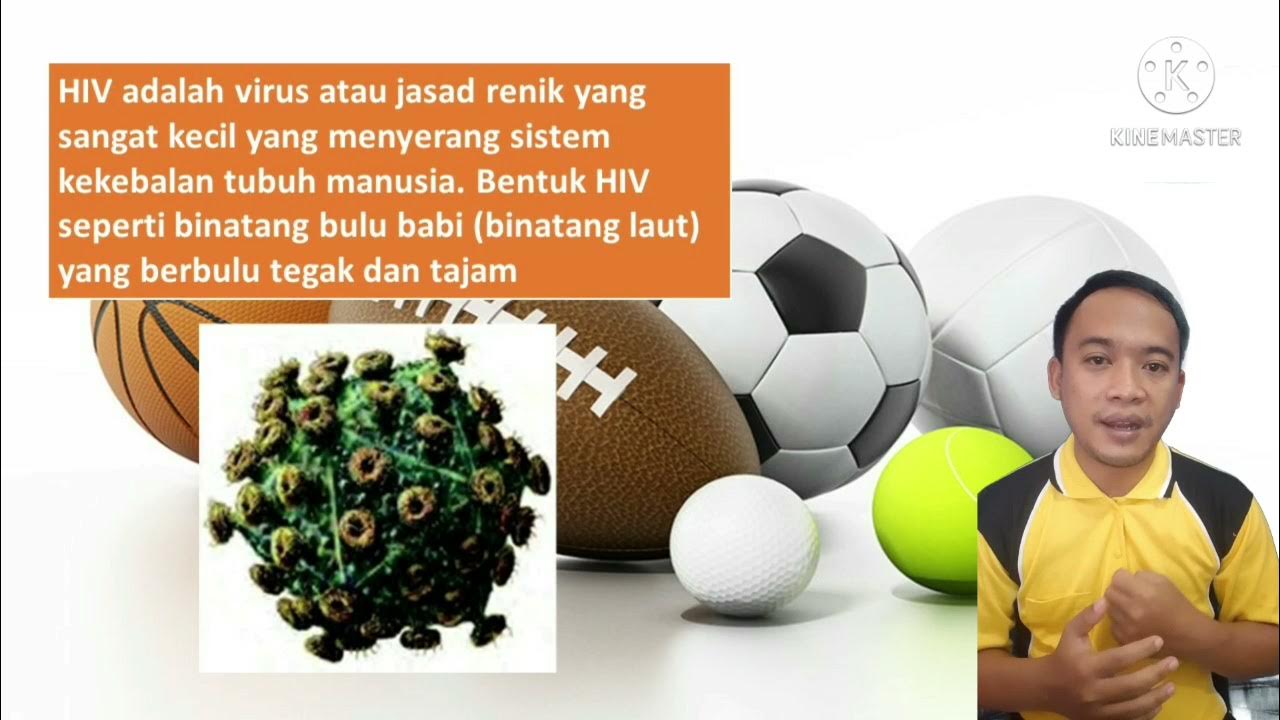
-HIV (Human Immunodeficiency Virus) is a virus that attacks the human immune system, specifically targeting the white blood cells that help the body fight infections.
What is AIDS?
-AIDS (Acquired Immunodeficiency Syndrome) is a condition caused by the HIV virus, where the immune system becomes severely weakened, leading to various infections and diseases.
How does HIV spread?
-HIV can be transmitted through infected blood, semen, vaginal fluids, or breast milk. It spreads through unprotected sex, sharing needles, during childbirth, and breastfeeding.
What is the current situation regarding HIV/AIDS cases?
-The current HIV/AIDS epidemic is often compared to an iceberg, where less than 20% of cases are detected, and more than 80% remain undiagnosed.
Is there a cure for HIV/AIDS?
-Currently, there is no cure for HIV/AIDS. However, antiretroviral therapy (ART) can help manage the virus and improve the quality of life for those infected.
How can someone find out if they have HIV?
-The only way to confirm if someone is infected with HIV is by taking a specific HIV blood test.
What are the primary modes of HIV transmission?
-HIV can be transmitted through sharing contaminated needles, unprotected sex with multiple partners, from mother to child during childbirth or breastfeeding, and through transfusions of contaminated blood.
What are the misconceptions about how HIV spreads?
-HIV does not spread through casual social contact. It cannot be transmitted through air, water, saliva, sweat, tears, or by using shared toilets or eating/drinking with someone who is HIV-positive.
What is the 'window period' in HIV infection?
-The 'window period' refers to the first 1-3 months after HIV enters the body when the virus is not detectable by standard tests, even though it can still be transmitted.
What are the stages of HIV progression?
-HIV progresses through three stages: the window period (1-3 months), asymptomatic phase (5-10 years), and symptomatic phase, where symptoms like fatigue and infections appear.
What are the five prevention methods for HIV?
-The five prevention methods include avoiding risky sexual behaviors, staying faithful to one partner, using condoms, not sharing needles, and seeking accurate information about HIV/AIDS.
Outlines

このセクションは有料ユーザー限定です。 アクセスするには、アップグレードをお願いします。
今すぐアップグレードMindmap

このセクションは有料ユーザー限定です。 アクセスするには、アップグレードをお願いします。
今すぐアップグレードKeywords

このセクションは有料ユーザー限定です。 アクセスするには、アップグレードをお願いします。
今すぐアップグレードHighlights

このセクションは有料ユーザー限定です。 アクセスするには、アップグレードをお願いします。
今すぐアップグレードTranscripts

このセクションは有料ユーザー限定です。 アクセスするには、アップグレードをお願いします。
今すぐアップグレード関連動画をさらに表示

HIV Health Education Module

Understanding HIV/AIDS: Learn the Facts, Fight the Stigma, Stay Safe (Redefine Positive - 6th Grade)

Materi Bahaya HIV/AID Kleas XI PJOK

Menganalisis Bahaya Penularan dan Pencegahan Penyakit HIV/AIDS - PJOK Kelas XI

What is HIV / AIDS and how does it affect your body? | Stanford Center for Health Education
MENGANALISIS BAHAYA, PENULARAN, DAN PENCEGAHAN PENYAKIT HIV/AIDS KELAS XI SMA
5.0 / 5 (0 votes)

