SOS 3 10 FIN
Summary
TLDRIn this video, the characteristics of a multicultural society are explored in-depth. Key features include segmentation based on subcultures, the division of social structures into non-complementary institutions, and the challenge of achieving consensus due to differing values. The video highlights the frequency of conflicts arising from cultural, religious, and value-based differences, as well as the social integration that often occurs due to economic necessity rather than voluntary cooperation. It also touches on political domination by more powerful groups within the society. The video provides an insightful look at how multiculturalism shapes social dynamics.
Takeaways
- 😀 The first characteristic of a multicultural society is segmentation based on subcultures, where different cultural groups form based on shared cultural traits.
- 😀 In multicultural societies, social structures are divided into non-complementary institutions, meaning that social organizations may not always support or align with each other.
- 😀 Multicultural societies often struggle to develop consensus or shared agreements on fundamental values, as different groups uphold their own norms and beliefs.
- 😀 Conflicts are relatively frequent in multicultural societies due to differences in culture, religion, values, and interests, often leading to personal or group-based disputes.
- 😀 Social integration in multicultural societies tends to occur under coercion, often driven by economic interdependence rather than voluntary collaboration.
- 😀 Political domination occurs in multicultural societies when certain ethnic or religious groups hold more political power than others, influencing the overall political landscape.
- 😀 The existence of subcultures in multicultural societies leads to diverse and distinct group identities, such as the ethnic subcultures in Java (Javanese, Sundanese, and Madurese).
- 😀 The structure of religious institutions in Indonesia, which includes five different religions, reflects the non-complementary nature of institutions in a multicultural society.
- 😀 The failure to reconcile diverse religious and cultural standards in Indonesia leads to challenges in establishing a unified set of societal norms and values.
- 😀 The interdependence between groups in multicultural societies is primarily economic, as individuals and groups must rely on each other for mutual survival and resource fulfillment.
Q & A
What is the main topic of the video?
-The main topic of the video is the characteristics of a multicultural society.
What does the concept of segmentation based on subcultures refer to in a multicultural society?
-It refers to the formation of different subcultures within a society based on cultural similarities, where groups with shared cultural traits form distinct subcultures.
Can you provide an example of segmentation in a multicultural society from the video?
-An example given in the video is the presence of different cultural groups, such as the Javanese, Sundanese, and Madurese, living on the island of Java but having distinct cultural identities.
How does the structure of social institutions differ in a multicultural society?
-In a multicultural society, social institutions often do not complement each other fully because the values held by different institutions may not align or support each other.
What is an example of non-complementary social institutions mentioned in the video?
-An example is the five religious institutions in Indonesia, each with its own structure and characteristics, which may not fully complement each other.
What does it mean when a multicultural society has difficulty developing a consensus on basic values?
-It means that due to the diversity in culture, religion, and norms, different groups in society may have conflicting or incompatible standards of values that are hard to reconcile.
Why do conflicts frequently arise in a multicultural society?
-Conflicts in a multicultural society arise due to differences in culture, religion, values, and interests, along with a lack of tolerance or understanding among groups.
What type of conflicts are commonly seen in a multicultural society?
-Conflicts can range from personal disputes to more serious issues such as ethnic or religious conflicts.
How does integration happen in a multicultural society, according to the video?
-Integration in a multicultural society occurs not because of voluntary cooperation but due to external pressures, such as economic interdependence and the need to meet basic life needs.
What is the role of political dominance in a multicultural society?
-In a multicultural society, some groups may have greater political power, leading to political dominance and control by those who belong to more powerful ethnic or religious groups.
Outlines

このセクションは有料ユーザー限定です。 アクセスするには、アップグレードをお願いします。
今すぐアップグレードMindmap

このセクションは有料ユーザー限定です。 アクセスするには、アップグレードをお願いします。
今すぐアップグレードKeywords

このセクションは有料ユーザー限定です。 アクセスするには、アップグレードをお願いします。
今すぐアップグレードHighlights

このセクションは有料ユーザー限定です。 アクセスするには、アップグレードをお願いします。
今すぐアップグレードTranscripts

このセクションは有料ユーザー限定です。 アクセスするには、アップグレードをお願いします。
今すぐアップグレード関連動画をさらに表示

Pengertian dan Karakteristik Masyarakat Multikultural
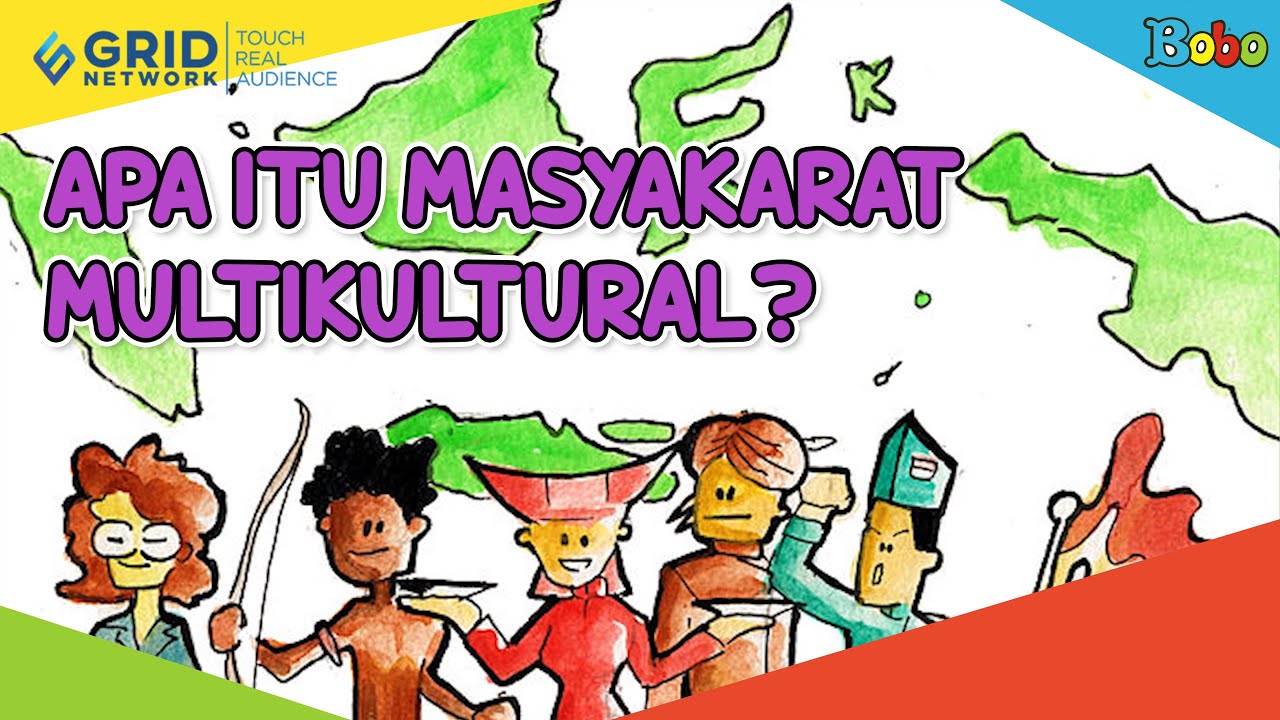
Apa itu Masyakarat Multikultural? - Fakta Menarik

Karakteristik Masyarakat Multikultural di Indonesia - Pendidikan Multikultural

DEFINISI MASYARAKAT MULTIKULTURAL | SOSIOLOGI KELAS 11

Video RIset 43

Transistor Characteristics (CE Transistor) Basic Electronics (BJT) BE/Btech 1st year| in हिन्दी
5.0 / 5 (0 votes)

