How a Septic Tank Works – Explained with 3D Simulation
Summary
TLDRThis video explores the fascinating history and technology of septic tanks, an essential but often overlooked part of waste management. From their origins in ancient Roman civilization to modern advancements like smart monitoring systems and biogas generation, septic tanks have evolved to become an efficient and eco-friendly solution for waste treatment. The video also covers how septic tanks work, their environmental benefits, challenges, and the installation process, highlighting the importance of proper maintenance. Whether in rural homes or industrial settings, septic tanks continue to play a crucial role in sustainable sanitation.
Takeaways
- 😀 Septic tanks are an underground waste management technology that has been used for hundreds of years and remains widely relevant today.
- 😀 Early waste disposal methods were primitive, but the Roman Cloaca Maxima marked a major milestone in large-scale sanitation systems.
- 😀 The modern septic tank concept emerged in the 19th century and evolved through innovations by engineers like John Morris and George J. Weber.
- 😀 Septic tanks work through three main stages: sedimentation, anaerobic biological decomposition, and soil-based discharge filtration.
- 😀 Anaerobic bacteria play a critical role by breaking down organic waste without oxygen, producing gases and partially treated water.
- 😀 Key components of a septic tank include inlet and outlet pipes, sludge, scum, and beneficial microorganisms.
- 😀 Septic tanks are especially valuable in rural or remote areas where centralized sewage systems are unavailable.
- 😀 Advantages of septic tanks include low infrastructure needs, environmental friendliness, flexibility in installation, and simple maintenance.
- 😀 Disadvantages include limited capacity, unsuitability for chemical waste, and potential environmental risks if poorly maintained.
- 😀 Proper installation, regular inspection, and scheduled pumping are essential to prevent groundwater contamination and system failure.
- 😀 Septic tank construction involves careful design, material selection, quality testing, and professional installation.
- 😀 Modern innovations include bioreactors, advanced filtration, IoT-based monitoring, compact modular designs, and renewable energy generation like biogas.
- 😀 Septic tanks continue to evolve as an important, eco-friendly sanitation solution contributing to sustainable waste management.
Q & A
What is the main topic of the video?
-The main topic of the video is septic tanks, focusing on their history, functioning, environmental impact, economic benefits, and technological advancements.
How did waste disposal work before the invention of septic tanks?
-Before septic tanks, waste was often dumped directly into rivers, seas, or the ground. It wasn't until Roman civilization that large-scale drainage systems were built.
Who is credited with creating the modern septic tank and when?
-The modern septic tank was introduced by John Morris, a French engineer, in the 19th century. He created a sealed concrete tank that could naturally break down waste.
What improvements did George J. Weber make to septic tank design?
-George J. Weber improved septic tank design in the early 1900s by separating solids, liquids, and gases, making the waste treatment process more efficient.
How do septic tanks treat waste water?
-Septic tanks treat wastewater in three stages: sedimentation (separating solids, liquids, and oils), biological decomposition (using anaerobic bacteria to break down organic matter), and discharge (passing treated water through soil for further filtration).
What role do anaerobic bacteria play in the septic tank?
-Anaerobic bacteria break down organic material in the waste within the septic tank, producing gases like methane and carbon dioxide while helping clean the water.
What are the advantages of septic tanks?
-Septic tanks reduce the burden on city wastewater systems, are environmentally friendly by using natural microorganisms and soil to process waste, and are flexible, making them suitable for rural and remote locations. They also require relatively simple maintenance.
What are some disadvantages of septic tanks?
-Septic tanks have limited capacity, making them less effective in densely populated areas. They are also not suitable for handling chemical waste, and improper installation or maintenance can lead to risks like groundwater contamination and soil pollution.
What is the process of installing a septic tank?
-The installation process involves design and planning based on household size, followed by construction of the tank from concrete, fiberglass, or plastic. It is then tested for leaks and structural integrity before being transported and installed. Inlet and outlet pipes are connected, and a baffle is placed inside to aid separation.
What are some recent innovations in septic tank technology?
-Recent innovations include bioreactors that combine aerobic and anaerobic microorganisms for faster decomposition, advanced filtration systems like sand filters and activated carbon, automatic septic tanks with IoT-based monitoring, and systems that generate renewable energy like biogas.
Outlines

Cette section est réservée aux utilisateurs payants. Améliorez votre compte pour accéder à cette section.
Améliorer maintenantMindmap

Cette section est réservée aux utilisateurs payants. Améliorez votre compte pour accéder à cette section.
Améliorer maintenantKeywords

Cette section est réservée aux utilisateurs payants. Améliorez votre compte pour accéder à cette section.
Améliorer maintenantHighlights

Cette section est réservée aux utilisateurs payants. Améliorez votre compte pour accéder à cette section.
Améliorer maintenantTranscripts

Cette section est réservée aux utilisateurs payants. Améliorez votre compte pour accéder à cette section.
Améliorer maintenant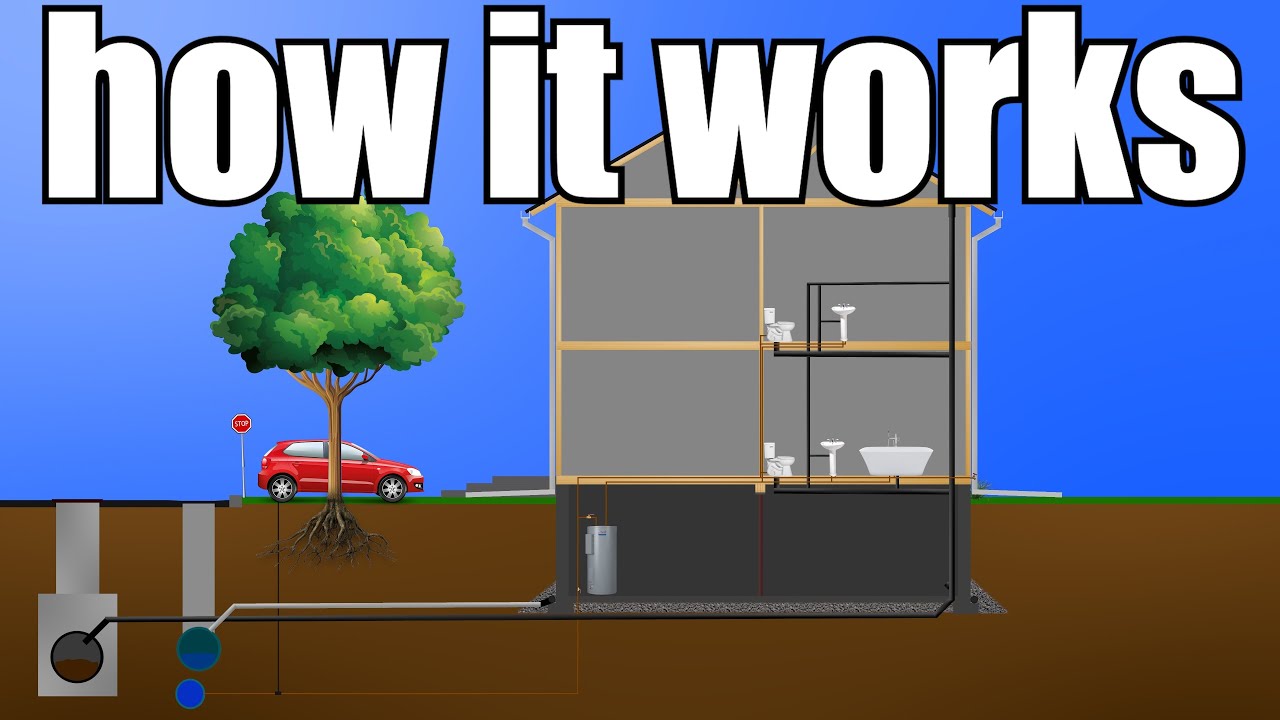


5.0 / 5 (0 votes)

