What Happened at Hiroshima - BBC World Service Documentaries
Summary
TLDRThis documentary explores the atomic bombings of Hiroshima and Nagasaki in August 1945, blending historical context, survivor testimonies, and modern reflections on nuclear threats. It recounts the immediate devastation, the long-term health and social effects of radiation, and the personal stories of those who endured unimaginable suffering. Survivors like Kyoko Gibson and Satoshi Tanaka share their experiences, emphasizing resilience, memory, and the ethical imperative to prevent future nuclear conflict. Connecting past and present, the film highlights the ongoing global relevance of nuclear weapons, urging viewers to understand the human cost and to carry forward the lessons for future generations.
Takeaways
- 💥 The atomic bombings of Hiroshima and Nagasaki in August 1945 were the only times nuclear weapons have been used in warfare, causing immediate massive casualties and destruction.
- 🧑🤝🧑 Survivors, known as hibakusha, experienced long-term physical, psychological, and societal consequences, including cancer, genetic effects, and discrimination.
- 🏚️ The destruction from the bombs left much of the cities in ruins, with only concrete and metal structures surviving, and resulted in unidentifiable casualties.
- 📜 The bombings were a culmination of World War II tensions, including Japan's attack on Pearl Harbor and the Axis military alliance with Germany and Italy.
- ⚠️ Many survivors were unaware of the nature of the atomic bomb at the time, highlighting the incomprehensible scale of the devastation.
- 🧬 Radiation exposure caused delayed health effects, including cancers and other illnesses, affecting both those present during the blasts and children exposed shortly after.
- 🏥 The US and its allies censored information about the bombings’ aftermath, delaying global understanding of their full impact on human health and fertility.
- 🌍 Nuclear weapons remain a contemporary threat, with ongoing geopolitical tensions in regions like Russia-Ukraine, Iran, and India-Pakistan emphasizing the relevance of lessons from Hiroshima and Nagasaki.
- 🔥 The Hiroshima Peace Memorial Park and its eternal flame symbolize the survivors’ mission to educate the world about the human cost of nuclear warfare.
- 📢 Passing on survivor stories to younger generations is crucial for ensuring that the human consequences of nuclear weapons are remembered and preventing history from repeating itself.
- 🕊️ Despite deterrence strategies, the human stories warn that political leaders must understand the real-life consequences of nuclear weapons, not just their strategic value.
Q & A
What was the significance of the atomic bombings of Hiroshima and Nagasaki?
-The atomic bombings of Hiroshima and Nagasaki marked the first and only use of nuclear weapons in warfare. The bombings led to the immediate deaths of tens of thousands of people and caused long-term physical and psychological effects for survivors. These events also played a major role in Japan's surrender and the end of World War II in Asia.
How did the atomic bomb impact the survivors physically?
-The survivors, often referred to as Hibakusha, suffered from immediate effects like severe burns, radiation sickness, and physical disfigurement. In the days and weeks following the bombings, many experienced hair loss, vomiting, and internal bleeding due to the radiation. Many survivors developed cancer and other health issues years later.
Why do some survivors still struggle with the emotional and social impact of the bombings?
-The trauma from the bombings has left deep emotional scars. Survivors faced physical suffering, loss of family members, and a sense of societal isolation. Some faced discrimination and prejudice, particularly in Japan, where others feared they might be contaminated by radiation. This societal stigma made it difficult for many survivors to talk about their experiences.
What role did the U.S. play in shaping the aftermath of Hiroshima and Nagasaki?
-After the bombings, the U.S. occupied Japan for seven years, during which the effects of the bombings were heavily censored. The U.S. government established a commission to study the medical effects of radiation exposure, but it took decades for the true scale of the bomb’s long-term health impacts to be understood globally.
How does the threat of nuclear weapons still affect the world today?
-The threat of nuclear war remains a pressing concern, particularly in the context of modern conflicts like the war in Ukraine. Nations with nuclear arsenals, including the U.S., Russia, and others, continue to maintain vast nuclear stockpiles. The fear of nuclear escalation persists, and discussions about disarmament continue to be important for global security.
What is the significance of Hiroshima's Peace Memorial Park?
-Hiroshima's Peace Memorial Park is a tribute to the victims of the atomic bombing and serves as a reminder of the devastating consequences of nuclear warfare. It contains various memorials, including the Peace Flame, which is meant to burn until all nuclear weapons are destroyed. The park aims to promote peace and global disarmament.
What did the survivors of Hiroshima and Nagasaki hope to achieve by sharing their stories?
-The survivors, including those like Satoshi and Kenji, are determined to share their stories to warn the world about the horrors of nuclear warfare. They hope to educate future generations and prevent history from repeating itself, stressing the importance of nuclear disarmament and peace.
How has nuclear technology evolved since the bombings of Hiroshima and Nagasaki?
-Since the atomic bombings, nuclear technology has evolved significantly. Today, nuclear weapons are far more powerful than those used in Hiroshima and Nagasaki. Modern nuclear weapons, as part of military arsenals, are thousands of times more destructive. Additionally, nuclear energy is now used for power generation, though its risks continue to spark debates on safety and environmental concerns.
What role did misinformation and fear play in the aftermath of the bombings?
-In the aftermath of the bombings, survivors faced widespread misinformation and fear. Many people, both in Japan and abroad, did not understand the long-term health effects of radiation. Some survivors were ostracized or avoided because others feared contamination. This created a climate of secrecy and silence for many years regarding the true impact of the atomic bomb.
Why are the stories of the Hiroshima and Nagasaki survivors still relevant today?
-The stories of Hiroshima and Nagasaki survivors remain relevant today because the threat of nuclear weapons persists in global geopolitics. As the world faces renewed tensions and conflicts, the experiences of these survivors serve as powerful reminders of the human cost of nuclear war. Their messages continue to inspire efforts for peace and nuclear disarmament, emphasizing the importance of preventing future use of nuclear weapons.
Outlines

Dieser Bereich ist nur für Premium-Benutzer verfügbar. Bitte führen Sie ein Upgrade durch, um auf diesen Abschnitt zuzugreifen.
Upgrade durchführenMindmap

Dieser Bereich ist nur für Premium-Benutzer verfügbar. Bitte führen Sie ein Upgrade durch, um auf diesen Abschnitt zuzugreifen.
Upgrade durchführenKeywords

Dieser Bereich ist nur für Premium-Benutzer verfügbar. Bitte führen Sie ein Upgrade durch, um auf diesen Abschnitt zuzugreifen.
Upgrade durchführenHighlights

Dieser Bereich ist nur für Premium-Benutzer verfügbar. Bitte führen Sie ein Upgrade durch, um auf diesen Abschnitt zuzugreifen.
Upgrade durchführenTranscripts

Dieser Bereich ist nur für Premium-Benutzer verfügbar. Bitte führen Sie ein Upgrade durch, um auf diesen Abschnitt zuzugreifen.
Upgrade durchführenWeitere ähnliche Videos ansehen

Hiroshima and Nagasaki | Why USA destroyed Japan? | WW2 | Dhruv Rathee
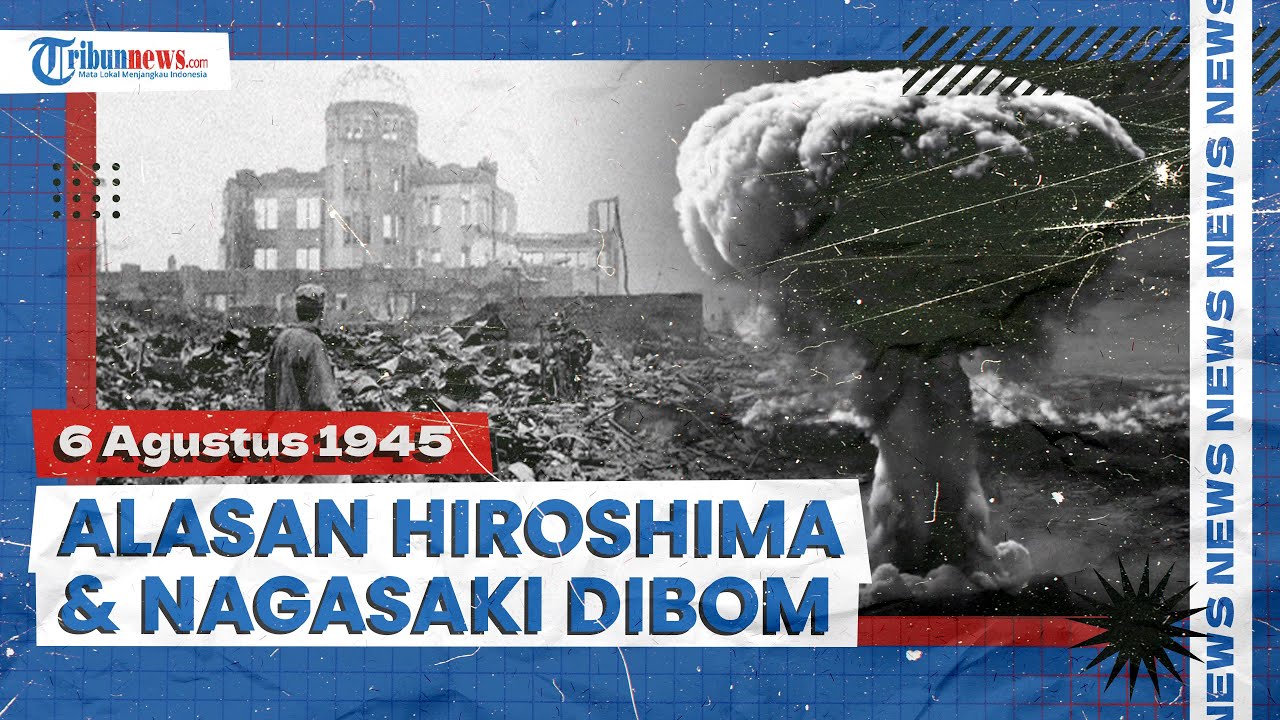
Agustus 1945, Alasan Hiroshima & Nagasaki Dijatuhi Bom Atom oleh AS, Jepang Ogah Menyerah ke Sekutu
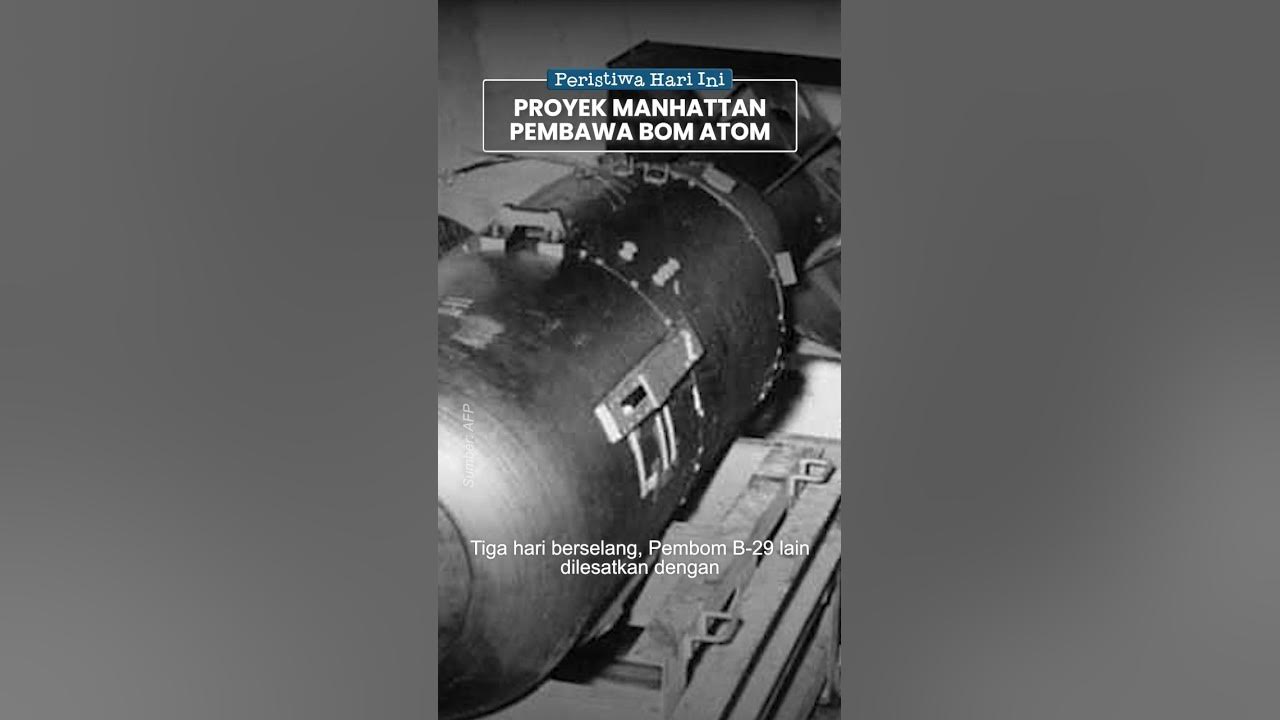
Peristiwa Hari Ini: 16 Juli Awal Mula Bom Dahsyat Hiroshima & Nagasaki, Kini Bayangi Konflik Timteng
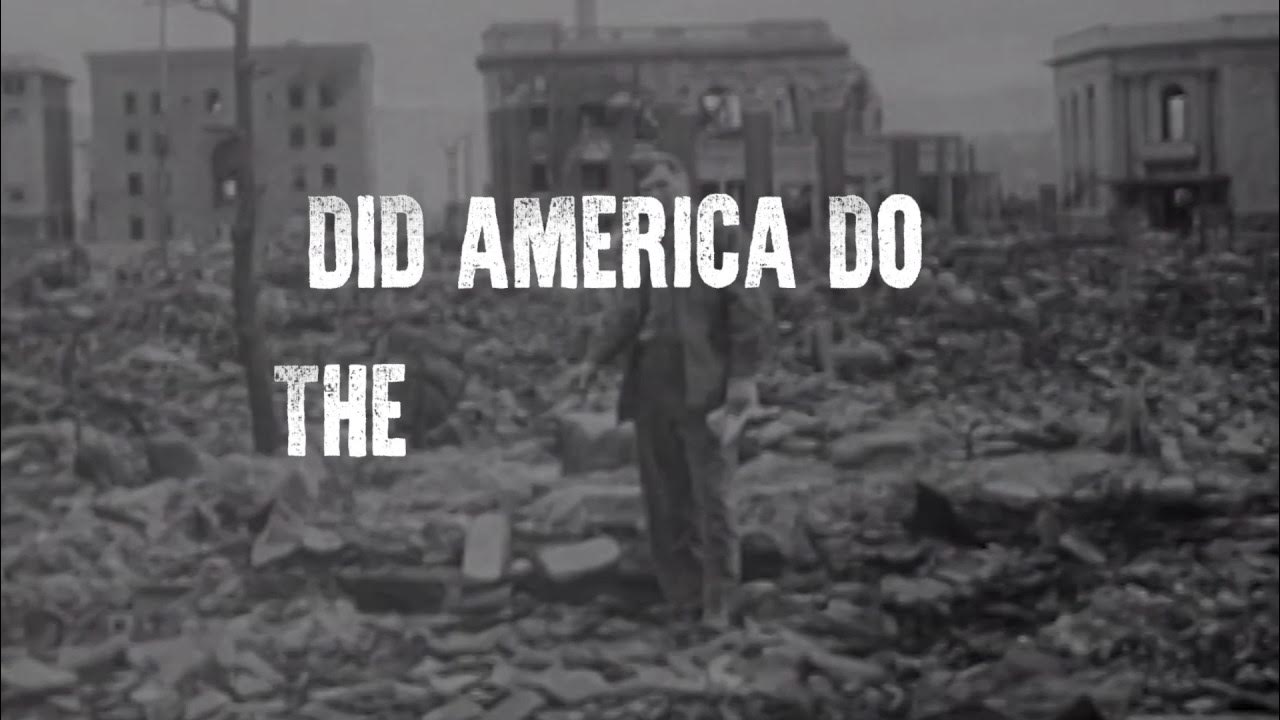
Controversy over the decision to drop atomic bombs on Japan still lingers

Why the US didn't Nuke Tokyo
SIMAK! Detik-detik Hiroshima & Nagasaki di Bom, Peristiwa Sejarah Sebelum Proklamasi RI
5.0 / 5 (0 votes)

