Microrganismos, Vacina e Soro - Resumão ENEM Biologia - Prof. Paulo Jubilut
Summary
TLDRThis video lesson explores the key microorganisms and diseases frequently covered in the ENEM exam, focusing on viruses, bacteria, fungi, and protozoa. It explains how viruses like dengue and HIV operate as intracellular parasites, the distinction between lytic and lysogenic cycles, and the role of mosquitoes in disease transmission. Bacteria and fungi are described in terms of cellular structure, reproduction, and their beneficial and harmful impacts. The lesson also covers preventive measures, vaccines, and serums, emphasizing public health topics such as dengue, leptospirosis, cholera, and tetanus. Practical examples illustrate the importance of sanitation, safe practices, and biotechnology applications in everyday life.
Takeaways
- 😀 Dengue is a serious public health problem in Brazil, caused by a virus and transmitted by the Aedes aegypti mosquito. It's important to note that it's the female mosquito that transmits the virus because she needs blood for egg maturation.
- 😀 One preventive measure to avoid dengue is eliminating standing water where mosquitoes lay eggs, particularly in clean water sources.
- 😀 Currently, there is no vaccine for dengue because there are four types of the virus, and creating a vaccine that targets all four strains is challenging. However, French scientists are working on a vaccine to be tested in Brazil.
- 😀 Viruses are not considered living organisms as they are acellular and only have a protein coat (capsid) and genetic material (DNA or RNA). They need host cells to reproduce and cannot function on their own.
- 😀 Viruses can follow two reproductive cycles: the lytic cycle, where the virus hijacks a cell to produce more viruses, and the lysogenic cycle, where the virus integrates into the host cell’s genome and passes its genetic material on during cell division.
- 😀 The Aedes aegypti mosquito transmits both the dengue and yellow fever viruses, so it is critical to prevent exposure to this mosquito to avoid both diseases. While dengue lacks a vaccine, yellow fever does have a vaccine.
- 😀 HIV is another viral disease commonly tested in exams, transmitted through blood contact and sexual activity. Prevention involves safe practices like condom use and avoiding exposure to contaminated blood.
- 😀 HPV, a sexually transmitted virus, can lead to cervical cancer in women. This highlights the importance of preventative measures like vaccination and safe sexual practices.
- 😀 Bacteria, unlike viruses, are living organisms with a cellular structure, and they belong to the kingdom Monera. They can reproduce and cause diseases, but can also be beneficial, such as in the production of fermented foods.
- 😀 Antibiotics are used to treat bacterial infections, but misuse has led to the emergence of antibiotic-resistant bacteria, such as the KPC bacteria, which is resistant to most antibiotics and is dangerous in weakened patients.
- 😀 Vaccines are different from serums: vaccines stimulate the immune system to produce memory cells for long-term protection, while serums provide immediate, passive immunity by delivering ready-made antibodies, such as in cases of snake bites or tetanus.
Q & A
What is the primary vector responsible for transmitting dengue?
-The primary vector for dengue is the mosquito Aedes aegypti, specifically the female mosquito, as it feeds on blood to obtain nutrients for egg maturation.
Why do female mosquitoes feed on blood while male mosquitoes do not?
-Female mosquitoes need blood for iron and proteins to mature their eggs, whereas male mosquitoes feed on plant nectar and do not require blood.
Are there vaccines available for dengue?
-As of the transcript, there is no widely available vaccine for dengue, largely because there are four types of dengue virus, and a vaccine must protect against all four.
How do viruses differ from bacteria in terms of cellular structure?
-Viruses are not cellular and lack organelles; they consist mainly of a protein capsid and genetic material (DNA or RNA). Bacteria are living prokaryotic cells with DNA, ribosomes, and a cell wall but no nucleus or membrane-bound organelles.
What are the two main viral reproductive cycles mentioned?
-The lytic cycle, where the virus rapidly reproduces and destroys the host cell, and the lysogenic cycle, where the virus integrates its genetic material into the host cell and reproduces without immediately killing it.
Which diseases are highlighted as viral diseases of interest for ENEM exams?
-Dengue, yellow fever, HIV/AIDS, and HPV are emphasized due to their relevance and frequency in exam questions.
How do bacteria differ from fungi and protozoa?
-Bacteria are prokaryotic cells without a nucleus or organelles, whereas fungi and protozoa are eukaryotic, having a nucleus, membrane-bound organelles, and complex cellular structures.
What is the role of antibiotics and how does bacterial resistance develop?
-Antibiotics treat bacterial infections by killing or inhibiting bacteria. Overuse or misuse of antibiotics can select for resistant bacteria, creating 'superbugs' that are difficult to treat.
What is the difference between a vaccine and a serum?
-A vaccine stimulates the body to produce memory cells for long-term immunity, while a serum provides immediate antibodies for temporary protection, such as in cases of snake venom exposure.
Which bacterium is highlighted as a hospital-acquired superbug, and what is its impact?
-Klebsiella pneumoniae carbapenemase (KPC) is a super-resistant bacterium found in hospitals that can cause severe infections, particularly in immunocompromised patients, with a high mortality rate.
How are fungi and bacteria beneficial in biotechnology and food production?
-Fungi are used to produce antibiotics like penicillin and in alcohol fermentation, while bacteria are used in producing fermented foods like yogurt and other probiotics that aid digestion.
What preventive measures are recommended to control dengue and leptospirosis?
-To prevent dengue, avoid water accumulation where mosquitoes breed. For leptospirosis, avoid contact with floodwaters contaminated with rat urine and ensure proper sanitation.
Outlines

Dieser Bereich ist nur für Premium-Benutzer verfügbar. Bitte führen Sie ein Upgrade durch, um auf diesen Abschnitt zuzugreifen.
Upgrade durchführenMindmap

Dieser Bereich ist nur für Premium-Benutzer verfügbar. Bitte führen Sie ein Upgrade durch, um auf diesen Abschnitt zuzugreifen.
Upgrade durchführenKeywords

Dieser Bereich ist nur für Premium-Benutzer verfügbar. Bitte führen Sie ein Upgrade durch, um auf diesen Abschnitt zuzugreifen.
Upgrade durchführenHighlights

Dieser Bereich ist nur für Premium-Benutzer verfügbar. Bitte führen Sie ein Upgrade durch, um auf diesen Abschnitt zuzugreifen.
Upgrade durchführenTranscripts

Dieser Bereich ist nur für Premium-Benutzer verfügbar. Bitte führen Sie ein Upgrade durch, um auf diesen Abschnitt zuzugreifen.
Upgrade durchführenWeitere ähnliche Videos ansehen
कक्षा 8 विज्ञान अध्याय - 2 सूक्ष्मजीव मित्र एवं शत्रु (Part 1) | class 8 science chapter 2 hindi

Classification of microorganism

Microorganisms | The Dr. Binocs Show | Educational Videos For Kids
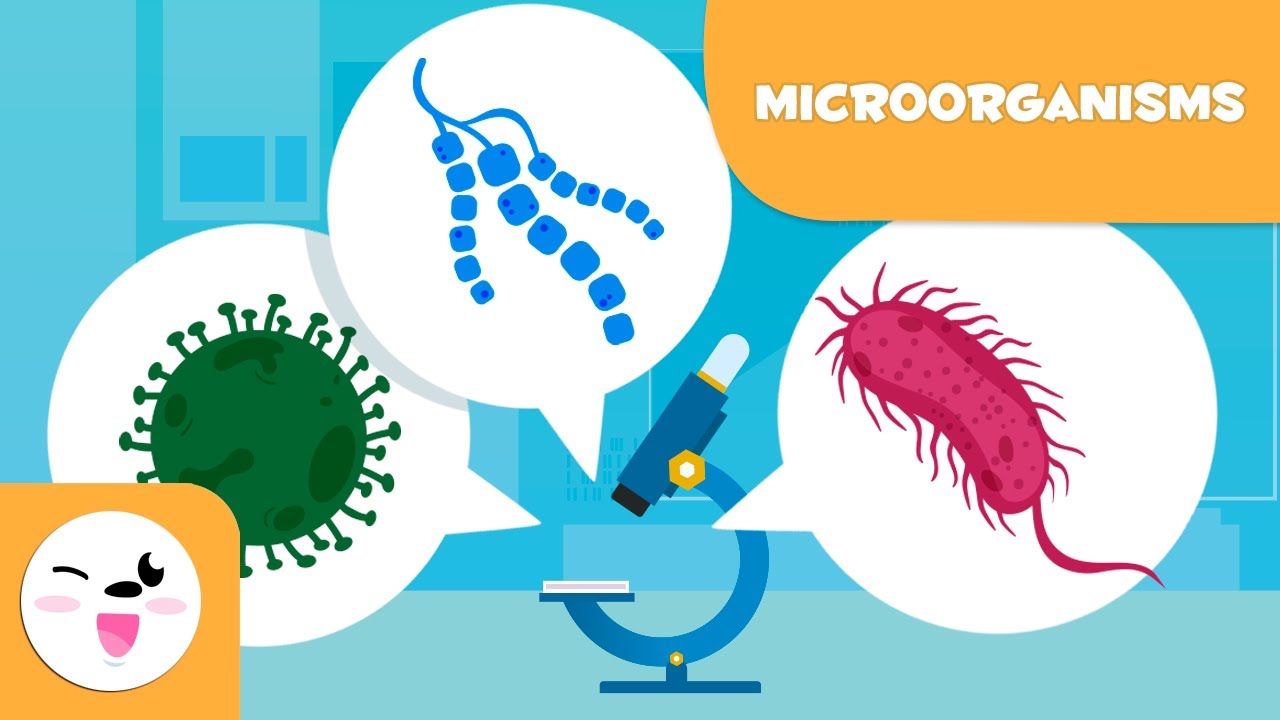
What are microorganisms? Bacteria, Viruses and Fungi

Microorganisms Part 2 Class 8 ( Bacteria, Algae and Fungi)
Microbiology || Introduction & History || Scope & its importance || L-1||Unit-1|| B.pharma 3rd sem
5.0 / 5 (0 votes)

