Information Process Theory in SLA
Summary
TLDRThis lecture introduces Information Processing Theory (IPT) in the context of Second Language Acquisition (SLA). It explains key concepts such as recall versus recognition, the three memory systems (sensory, short-term/working, and long-term memory), and the stages of encoding, storage, and retrieval. The video details strategies to support working memory, differentiates controlled and automatic processing, and outlines SLA-specific stages including input, noticing, intake, short-term practice, long-term storage, automatization, and retrieval. Practical exercises reinforce learning by matching terms and processing types to definitions, helping learners understand how language is processed, stored, and accessed for communication.
Takeaways
- 😀 Recall involves retrieving information from memory, such as when answering essay questions or fill-in-the-blank tasks.
- 😀 Recognition is identifying the correct information from a set of options, like in multiple-choice tests.
- 😀 Information Processing Theory describes how information is received, processed, stored, and retrieved in the brain.
- 😀 The three-step process of information processing includes encoding, storage, and retrieval (or automatization).
- 😀 Sensory memory briefly retains sensory information and serves as the first stage of memory processing.
- 😀 Working memory is essential for short-term tasks, allowing active manipulation of information, but it has limited capacity.
- 😀 Long-term memory stores information permanently and has an unlimited capacity for retrieval.
- 😀 Strategies like chunking, repetition, and using visual aids can help overcome the limitations of working memory.
- 😀 Controlled processing is conscious and slow, often used when learning new language rules, while automatic processing is unconscious and fast, developing after practice.
- 😀 In Second Language Acquisition (SLA), learners move through stages of input, noticing, intake, processing, and long-term storage to eventually reach fluency.
- 😀 Feedback in SLA helps learners refine and consolidate their language knowledge, improving both fluency and accuracy.
Q & A
What is the main difference between recall and recognition?
-Recall involves retrieving information from memory without any external cues, such as when answering fill-in-the-blank questions or writing an essay. Recognition, on the other hand, involves identifying the correct information from a set of options, such as in a multiple-choice test.
How does information processing theory relate to second language acquisition (SLA)?
-Information processing theory explains how new information is received, processed, stored, and retrieved in the brain. In the context of SLA, it helps us understand how new language information is processed, stored in memory, and later retrieved for communication.
What are the three main steps of information processing theory?
-The three main steps are encoding (initial processing of information), storage (retention of information over time), and retrieval (recovery of information from memory when needed).
What role does sensory memory play in information processing?
-Sensory memory briefly retains sensory information (what we see, hear, touch, etc.) in its original form. This is the first stage of memory processing where we start to gather information from the environment.
How is short-term memory (working memory) different from long-term memory?
-Short-term memory is a temporary storage system that allows active manipulation of information for a short period (15 to 30 seconds), while long-term memory is a more permanent storehouse that retains information for much longer periods, potentially a lifetime.
Why is working memory limited in capacity, and how can it be supported in SLA?
-Working memory has a limited capacity, typically able to hold about 5 to 9 chunks of information at once. In SLA, strategies like chunking (breaking information into smaller pieces), repetition, using visual aids, and simplifying input can help support working memory.
What are the key differences between sensory memory, short-term memory, and long-term memory in terms of duration and capacity?
-Sensory memory has a duration of less than 1 second, a very large capacity, and processes sensory input. Short-term memory lasts 15-30 seconds, holds 5-9 items, and is used for active processing. Long-term memory has an unlimited capacity and retains information for a longer period, potentially for life.
How does automatic processing differ from controlled processing?
-Controlled processing is a slow, conscious, and effortful process, often used when learning new language rules or forms. Automatic processing, however, is unconscious, fast, and requires little mental effort, usually occurring after extensive practice or exposure.
What is the role of 'noticing' in language learning?
-Noticing refers to the process where learners become consciously aware of specific language features, such as grammar or vocabulary, in the input they are exposed to. This awareness is crucial for progressing from mere exposure to deeper learning.
What strategies can learners use to improve the processing of language input in SLA?
-Learners can use strategies like chunking (grouping information), rehearsal (repeating information), and comparison (comparing new language with their first language or previously learned L2 elements) to improve processing in short-term memory.
Outlines

Dieser Bereich ist nur für Premium-Benutzer verfügbar. Bitte führen Sie ein Upgrade durch, um auf diesen Abschnitt zuzugreifen.
Upgrade durchführenMindmap

Dieser Bereich ist nur für Premium-Benutzer verfügbar. Bitte führen Sie ein Upgrade durch, um auf diesen Abschnitt zuzugreifen.
Upgrade durchführenKeywords

Dieser Bereich ist nur für Premium-Benutzer verfügbar. Bitte führen Sie ein Upgrade durch, um auf diesen Abschnitt zuzugreifen.
Upgrade durchführenHighlights

Dieser Bereich ist nur für Premium-Benutzer verfügbar. Bitte führen Sie ein Upgrade durch, um auf diesen Abschnitt zuzugreifen.
Upgrade durchführenTranscripts

Dieser Bereich ist nur für Premium-Benutzer verfügbar. Bitte führen Sie ein Upgrade durch, um auf diesen Abschnitt zuzugreifen.
Upgrade durchführenWeitere ähnliche Videos ansehen
The 9 Essential Terms of Second Language Acquisition | Science Behind Language Learning

What is Second Language Acquisition (SLA)? | Science Behind Language Learning

Individual differences in SLA (aptitude, motivation, & anxiety in second language acquisition)
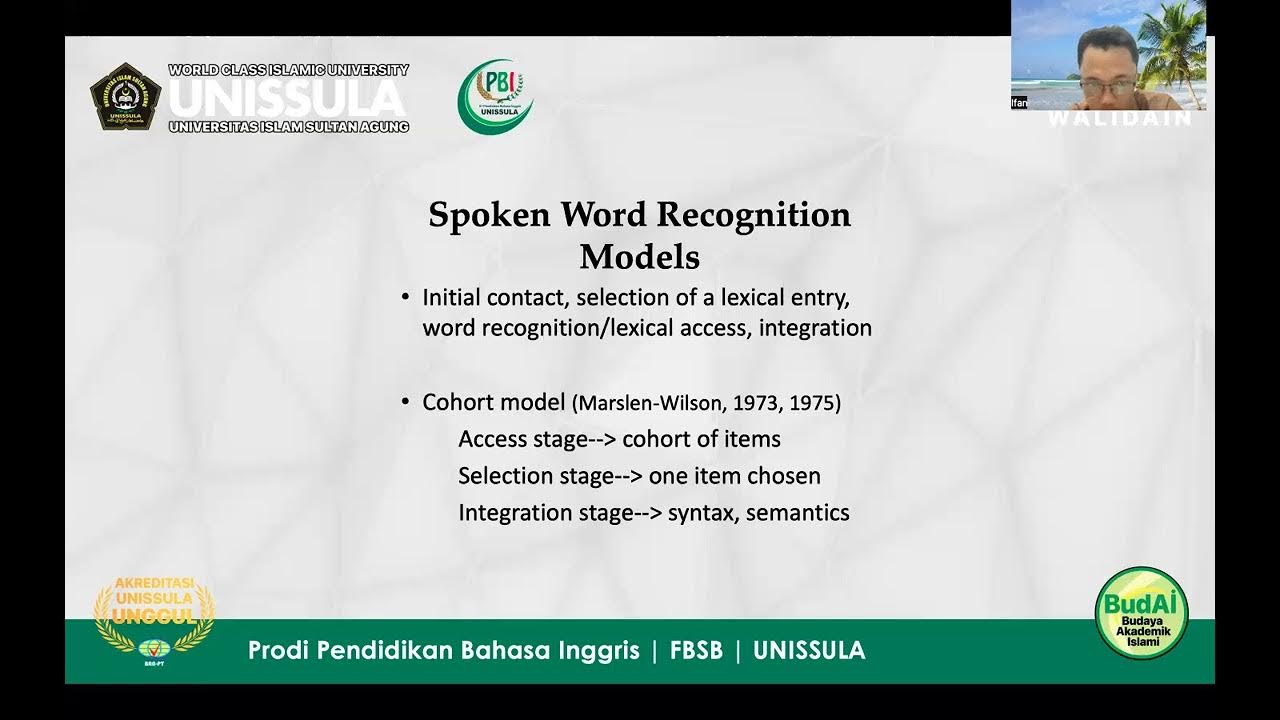
TEAL_2 Understanding Language Acquisition

2nd Language Theories and Perspectives

Introduction to Second Language Acquisition
5.0 / 5 (0 votes)

