KINGDOM ANIMALIA | klasifikasi invertebrata dan vertebrata, ciri dan contohnya
Summary
TLDRThis educational video explores the classification of animals within the Kingdom Animalia. It introduces key characteristics of this kingdom, including being eukaryotic, multicellular, and heterotrophic. The script dives into the distinctions between invertebrates and vertebrates, detailing various phyla such as Porifera, Solentrata, and Moluska, along with specific examples. The video also covers the vertebrate classes, including fish, amphibians, reptiles, birds, and mammals, explaining their unique traits and evolutionary adaptations. The overall goal is to provide a comprehensive understanding of animal diversity and classification in an engaging and accessible manner.
Takeaways
- 😀 Kingdom Animalia includes a wide range of organisms, from simple to complex, and humans are also part of it.
- 😀 Organisms in Kingdom Animalia are eukaryotic, multicellular, heterotrophic, motile, and lack cell walls, distinguishing them from other kingdoms.
- 😀 The classification of animals in Kingdom Animalia is divided based on the presence of a backbone: invertebrates (no backbone) and vertebrates (with backbone).
- 😀 Invertebrates include various phyla such as Porifera (sponges), Cnidaria (jellyfish, corals), Platyhelminthes (flatworms), and others.
- 😀 Porifera, also known as sponges, are aquatic, filter-feeding organisms with porous bodies, commonly found in marine environments.
- 😀 Cnidarians, such as jellyfish, have two body forms (polyp and medusa) and can be found in both marine and freshwater habitats.
- 😀 Platyhelminthes are flatworms that are triploblastic (having three body layers) and include species like planarians and tapeworms.
- 😀 Nematoda, or roundworms, are characterized by their cylindrical bodies and pseudocoelom, with species like Ascaris and hookworms.
- 😀 Mollusks, like snails, clams, and octopuses, have soft bodies often protected by a shell and are found in both aquatic and terrestrial environments.
- 😀 Vertebrates are classified into five classes: Fish (Pisces), Amphibians (Amphibia), Reptiles (Reptilia), Birds (Aves), and Mammals (Mammalia), each with unique characteristics like skin, breathing methods, and modes of reproduction.
Q & A
What is the Kingdom Animalia and what organisms belong to it?
-The Kingdom Animalia includes all animals, including humans, characterized by being eukaryotic, multicellular, heterotrophic, motile, and lacking cell walls. Organisms in this kingdom require organic material for nutrition and typically exhibit movement.
What are the key characteristics of organisms in Kingdom Animalia?
-Organisms in Kingdom Animalia are eukaryotic (having a membrane-bound nucleus), multicellular (made of many cells), heterotrophic (unable to make their own food and dependent on others for nutrition), and motile (able to move). Additionally, they lack a cell wall.
How is Kingdom Animalia classified?
-Kingdom Animalia is broadly classified based on the presence or absence of a backbone into two major groups: invertebrates (without a backbone) and vertebrates (with a backbone). Invertebrates are further divided into different phyla, and vertebrates into various classes.
What are invertebrates, and how are they classified?
-Invertebrates are animals without a backbone. They are classified into several phyla, including Porifera (sponges), Solentrata (jellyfish), Platyhelminthes (flatworms), Nemathelminthes (roundworms), Annelida (segmented worms), Mollusca (soft-bodied animals), Arthropoda (insects, crustaceans, etc.), and Echinodermata (starfish, sea urchins).
What distinguishes vertebrates from invertebrates?
-Vertebrates are animals that possess a backbone or spinal column, whereas invertebrates lack a backbone. Vertebrates are classified into subgroups such as Pisces (fish), Amphibia (amphibians), Reptilia (reptiles), Aves (birds), and Mammalia (mammals).
What are the main characteristics of the phylum Porifera?
-Porifera, commonly known as sponges, are simple animals with porous bodies. They have a skeleton made of spongin fibers and feed by filtering plankton and bacteria from the water. Most live in marine environments.
What is the difference between the two phases of organisms in the phylum Solentrata?
-Organisms in the phylum Solentrata, like jellyfish, have two body forms: the polyp (a stationary, tube-shaped form) and the medusa (a free-swimming, umbrella-shaped form). These animals are found in both marine and freshwater environments.
What is the significance of having a triploblastic body plan in animals of the phylum Platyhelminthes?
-Platyhelminthes, or flatworms, are triploblastic, meaning they have three layers of tissue: ectoderm, mesoderm, and endoderm. This body plan allows for more specialized structures and functions compared to simpler organisms.
What is unique about the Nemathelminthes compared to other worm phyla?
-Nemathelminthes, or roundworms, have a cylindrical body shape and a pseudocoelom (a body cavity that is not fully lined with mesoderm). Unlike flatworms, roundworms have a more advanced body structure and digestive system.
What are the key features of mammals, and how are they classified?
-Mammals are characterized by the presence of mammary glands, which produce milk for their offspring, and fur or hair on their bodies. They are warm-blooded (homeothermic), breathe using lungs, and most give birth to live young. The class Mammalia includes animals like humans, lions, and whales.
Outlines

Dieser Bereich ist nur für Premium-Benutzer verfügbar. Bitte führen Sie ein Upgrade durch, um auf diesen Abschnitt zuzugreifen.
Upgrade durchführenMindmap

Dieser Bereich ist nur für Premium-Benutzer verfügbar. Bitte führen Sie ein Upgrade durch, um auf diesen Abschnitt zuzugreifen.
Upgrade durchführenKeywords

Dieser Bereich ist nur für Premium-Benutzer verfügbar. Bitte führen Sie ein Upgrade durch, um auf diesen Abschnitt zuzugreifen.
Upgrade durchführenHighlights

Dieser Bereich ist nur für Premium-Benutzer verfügbar. Bitte führen Sie ein Upgrade durch, um auf diesen Abschnitt zuzugreifen.
Upgrade durchführenTranscripts

Dieser Bereich ist nur für Premium-Benutzer verfügbar. Bitte führen Sie ein Upgrade durch, um auf diesen Abschnitt zuzugreifen.
Upgrade durchführenWeitere ähnliche Videos ansehen

BAB 5 Klasifikasi Makhluk Hidup Lima Kingdom || IPA Kelas 7 Kurikulum Merdeka

Kingdom Animalia dan Peranannya dalam Kehidupan | Biologi Kelas 10 KHATULISTIWA MENGAJAR
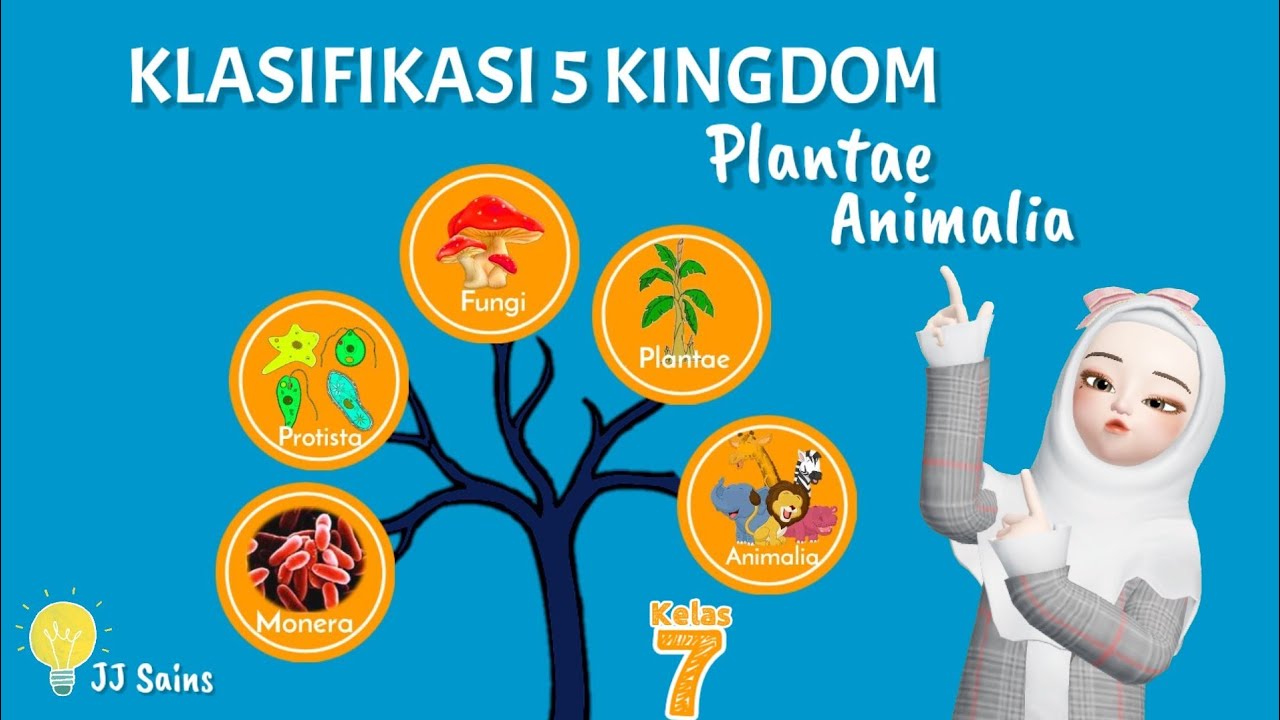
Klasifikasi 5 Kingdom Kelas 7 (part 2) ~Plantae dan Animalia

Keanekaragaman Makhluk Hidup dan Klasifikasinya (Urutan Takson) | IPA Kelas 7
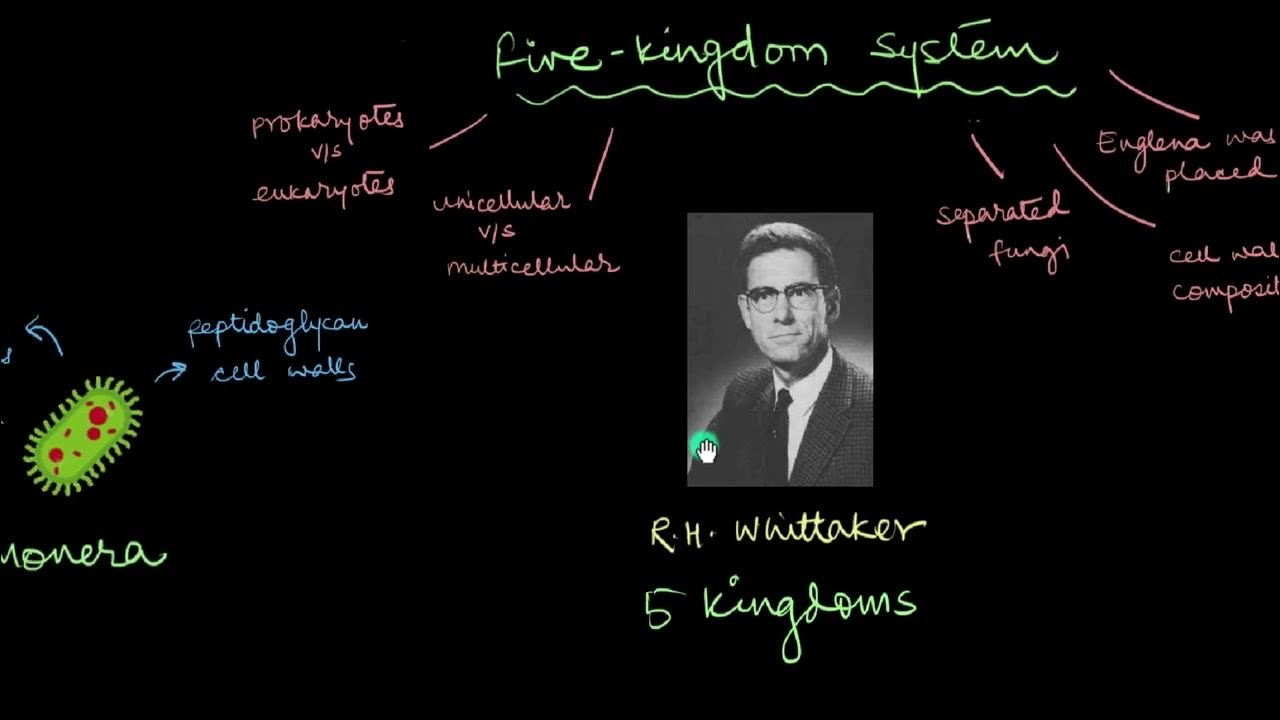
Systems of Classification | Biological Classification | Biology | Khan Academy
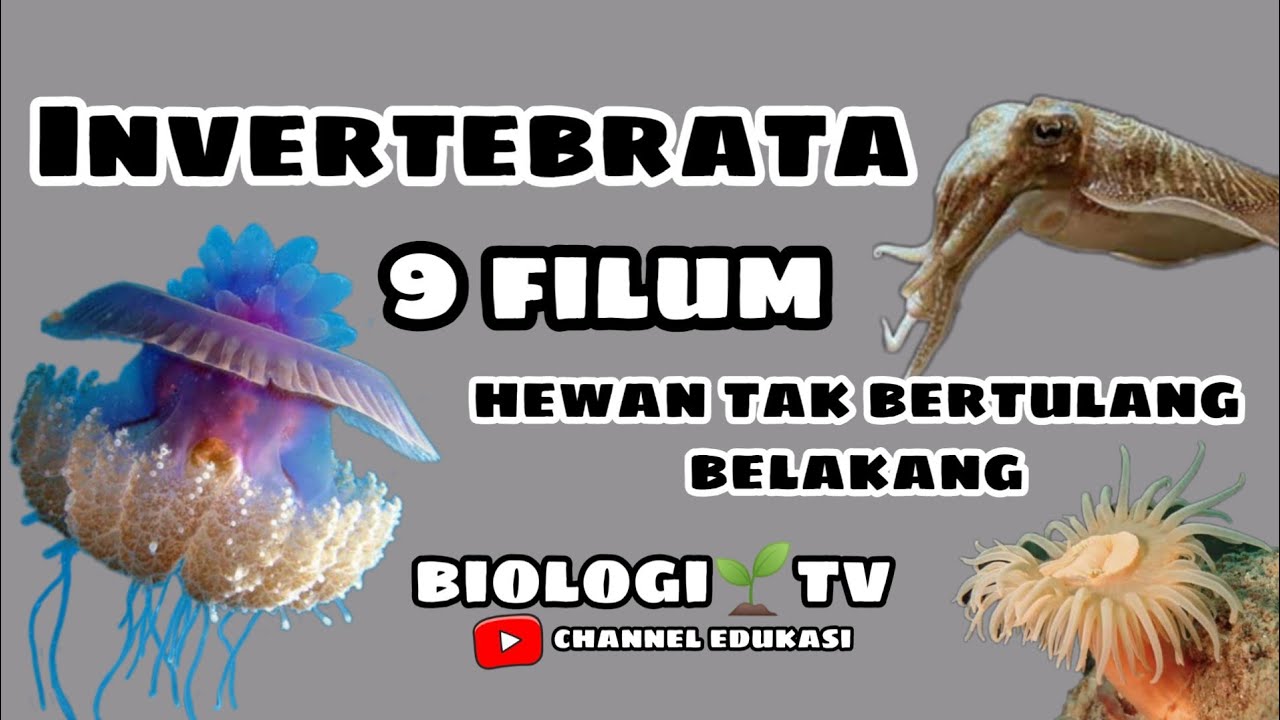
Biologi sma materi Invertebrata (9 filum hewan tidak bertulang belakang) bab animalia kelas 10
5.0 / 5 (0 votes)

