Theories of Development: Erikson, Piaget, and Vygotsky (Educational Psychology)
Summary
TLDRThis video explores key psychological theories that shape human development: Erikson’s lifespan development theory, Piaget’s cognitive theory, and Vygotsky’s social constructivist theory. Erikson’s stages of life highlight psychological crises, such as trust vs. mistrust in infancy and identity vs. confusion in adolescence. Piaget’s stages show how children’s understanding evolves from sensory motor experiences to abstract thinking. Vygotsky emphasizes the role of social interactions in learning, illustrating the Zone of Proximal Development (ZPD) as key to cognitive growth. The video integrates these theories with real-life examples to showcase human development in a dynamic way.
Takeaways
- 😀 Erickson's lifespan development theory outlines eight stages, each marked by personal crises that shape an individual's growth.
- 😀 The first stage (infancy) focuses on trust versus mistrust, where consistent nurturing builds trust, and neglect leads to mistrust.
- 😀 Autonomy versus shame is the second stage, where toddlers develop their independence, and excessive punishment hinders autonomous growth.
- 😀 Initiative versus guilt is the third stage, where children start engaging in purposeful behavior, but harsh criticism can lead to guilt and self-doubt.
- 😀 The fourth stage (industry versus inferiority) is when children explore their strengths and weaknesses, and external feedback is crucial.
- 😀 The fifth stage (identity versus identity confusion) happens during adolescence, where individuals explore vocational, romantic, and personal identities.
- 😀 Intimacy versus isolation is the sixth stage, where young adults face decisions about relationships and independent life paths.
- 😀 The seventh stage (generativity versus stagnation) influences middle-aged adults, urging them to contribute to the next generation and avoid feelings of stagnation.
- 😀 The eighth and final stage (integrity versus despair) occurs in older adults, where reflecting on one's life can either lead to integrity or despair.
- 😀 Piaget's cognitive theory highlights four stages: sensorimotor, pre-operational, concrete operational, and formal operational, each developing schemas of understanding.
- 😀 Vygotsky's theory emphasizes the importance of social interaction and the Zone of Proximal Development (ZPD) in learning and understanding new concepts.
Q & A
What is the main focus of Erickson's lifespan development theory?
-Erickson's lifespan development theory focuses on the internal personal crises individuals face throughout their life, from infancy to old age. It outlines how each stage in life is marked by a key developmental conflict that influences personal growth.
What are the positive outcomes of trust in Erickson's first stage?
-In Erickson's first stage, trust versus mistrust, the positive outcomes of trust include comfort and security, which are built when a child's needs are consistently met through nurturing care.
What happens if a child experiences neglect during the first stage of Erickson's theory?
-If a child experiences neglect, it can lead to mistrust, impacting their ability to feel secure and potentially affecting future emotional and social development.
What is the key developmental task in Erickson's second stage, autonomy versus shame?
-In the autonomy versus shame stage, toddlers develop autonomy as they discover and assert their own behaviors. Excessive restraint or punishment can lead to feelings of shame and hinder their development of independence.
How does Erickson's theory explain the impact of external factors like adult reactions?
-Erickson emphasizes that external support and adult reactions heavily influence the development of trust, autonomy, and other early stages. Positive reinforcement helps in healthy development, while negative reactions can cause issues like guilt, shame, and confusion.
What is the central conflict in Erickson's fifth stage, identity versus identity confusion?
-The central conflict in this stage is self-exploration during adolescence. Teenagers work to establish their personal, vocational, and romantic identities. Without exploration, they may experience confusion about who they are and what their future holds.
How does Piaget's theory differ from Erickson's in terms of child development?
-While Erickson focuses on psychosocial development and internal conflicts, Piaget's theory centers on cognitive development, explaining how children develop mental schemas and adapt to their environment through stages of intellectual growth.
What is the focus of Piaget's sensory-motor stage?
-The sensory-motor stage focuses on the development of basic sensory and motor experiences. Infants build early schemas based on sensory observations and motor actions, but their understanding of objects is still limited and based on simple attributes.
How do children develop symbolic functions in Piaget's pre-operational stage?
-During the pre-operational stage, children develop the ability to use symbols to represent objects, such as recognizing pictures or labels. However, they still struggle with tasks like understanding complex relationships or performing logical operations.
What is the zone of proximal development (ZPD) in Vygotsky's theory, and why is it important?
-Vygotsky's zone of proximal development (ZPD) refers to the range of tasks that a learner can perform with guidance but cannot yet accomplish independently. Collaboration within this zone helps expand a child's learning potential and strengthens their understanding of concepts.
How does Vygotsky's theory emphasize the role of social interaction in learning?
-Vygotsky's theory suggests that learning is a social process and that individuals construct knowledge through interactions with others. By discussing and collaborating, people can deepen their understanding of subjects and enhance their learning experiences.
What role does anxiety play in Vygotsky's zone of proximal development?
-In Vygotsky's model, the anxiety zone represents tasks that are beyond an individual's current ability and can lead to frustration. It is essential to stay within the learning zone (not the anxiety zone) to ensure effective learning without overwhelming the learner.
Outlines

Dieser Bereich ist nur für Premium-Benutzer verfügbar. Bitte führen Sie ein Upgrade durch, um auf diesen Abschnitt zuzugreifen.
Upgrade durchführenMindmap

Dieser Bereich ist nur für Premium-Benutzer verfügbar. Bitte führen Sie ein Upgrade durch, um auf diesen Abschnitt zuzugreifen.
Upgrade durchführenKeywords

Dieser Bereich ist nur für Premium-Benutzer verfügbar. Bitte führen Sie ein Upgrade durch, um auf diesen Abschnitt zuzugreifen.
Upgrade durchführenHighlights

Dieser Bereich ist nur für Premium-Benutzer verfügbar. Bitte führen Sie ein Upgrade durch, um auf diesen Abschnitt zuzugreifen.
Upgrade durchführenTranscripts

Dieser Bereich ist nur für Premium-Benutzer verfügbar. Bitte führen Sie ein Upgrade durch, um auf diesen Abschnitt zuzugreifen.
Upgrade durchführenWeitere ähnliche Videos ansehen

The Piaget, Vygotsky, and Bronfenbrenner Theories - Essay Example

Theories of Cognitive Development (AP Psychology Review: Unit 3 Topic 4)

Child+Development+Theorists+Freud+to+Erikson+to+Spock+++and+Beyond

Lev Vygotsky Sociocultural Theory
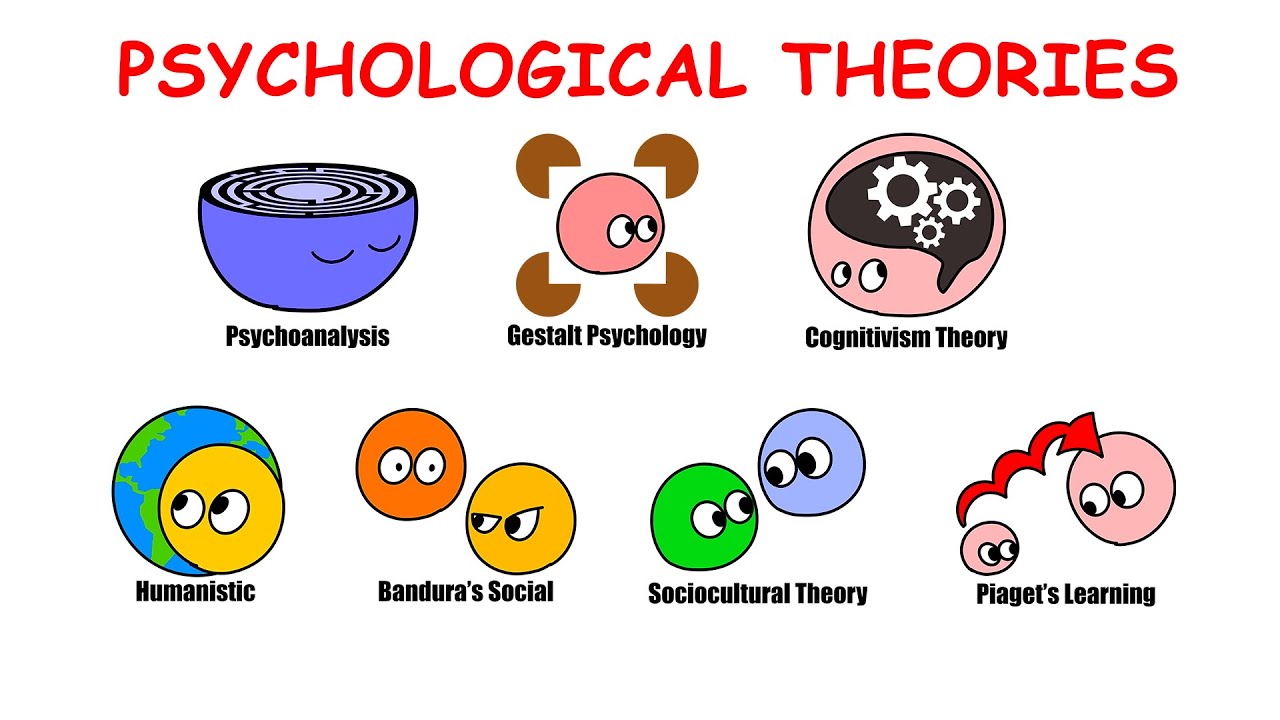
Famous Psychologists Theories Explained In 9 Minutes

Pertemuan 2 : Sudut pandang dan teori dalam perkembangan manusia
5.0 / 5 (0 votes)

