Satu DAS Satu Pengelolaan
Summary
TLDRThe video discusses the challenges of Integrated River Basin Management (IRBM) in Indonesia, particularly in Java. Despite efforts since the 1970s, the implementation of IRBM remains ineffective, leading to environmental degradation in both upstream and downstream areas. Issues such as deforestation, land conversion for agriculture, and uncontrolled urbanization in upstream regions like the Citarum River Basin are causing water shortages, floods, and sedimentation. The video emphasizes the importance of defining river basin boundaries, using natural terrain features, and adopting a holistic, sustainable approach to managing land and water resources in river basins.
Takeaways
- 😀 Watershed management in Indonesia has been recognized since the 1970s but remains far from ideal due to fragmented and sectoral approaches.
- 😀 The principle of integrated watershed management, symbolized by the concept of 'one catchment, one management,' is still largely a slogan rather than practice.
- 😀 Deforestation and conversion of forests to agricultural lands and urban areas are major factors contributing to environmental degradation, particularly in upstream areas.
- 😀 Increased urbanization and uncontrolled development, especially in areas like Lembang in West Bandung, have led to the loss of water catchment functions and natural beauty.
- 😀 Land use changes, such as converting forested areas into agricultural and urban lands, have significantly increased flood risks and water scarcity in downstream regions.
- 😀 High erosion rates in upstream areas result in excessive sedimentation in downstream reservoirs, threatening the operational life of dams that are critical for electricity generation in Java and Bali.
- 😀 The complexity of watershed issues requires coordinated efforts from the government, private sector, and communities to address the mounting environmental challenges.
- 😀 Many stakeholders still lack a clear understanding of what a watershed (DAS) is, both in terms of its technical definition and its role as a unified development unit.
- 😀 Watersheds are defined by natural landforms, such as ridgelines, which determine the flow of water to rivers and eventually to lakes or seas.
- 😀 Effective watershed management involves recognizing the interrelationship between upstream and downstream areas, as well as the need to preserve critical functions like water retention and soil fertility.
- 😀 The use of watershed boundaries based on natural features, rather than administrative boundaries, is key to developing sustainable land use strategies that can prevent environmental damage and promote integrated regional development.
Q & A
What is the primary focus of watershed management in Indonesia, as discussed in the transcript?
-The primary focus is the integrated management of watersheds (Daerah Aliran Sungai, DAS) in Indonesia, addressing environmental challenges such as deforestation, land conversion, and the impact of sectoral development on both upstream and downstream areas.
What does the term 'one catchment, one management' (oncash men-one manajemen) mean in the context of watershed management?
-'One catchment, one management' refers to the principle of managing a watershed as a unified entity, where all aspects of the ecosystem within the watershed are considered holistically, though this principle is still not fully implemented.
How has land conversion in the Citarum river's upstream areas contributed to environmental issues?
-Land conversion in the upstream areas of the Citarum river, particularly the transformation of protected forests into intensive agriculture and urban areas, has led to the loss of water retention functions, increased erosion, and the degradation of natural landscapes.
What is the impact of upstream land use changes on the downstream areas of a watershed?
-Changes in land use in the upstream areas, such as deforestation and agricultural intensification, contribute to increased sedimentation, water pollution, and flooding in downstream areas, affecting both the environment and local communities.
Why is the concept of watershed boundaries important in environmental management?
-Watershed boundaries are important because they define the natural flow of water and water catchment areas, which are essential for understanding the impact of human activities on both upstream and downstream regions. These boundaries help manage natural resources and mitigate environmental damage.
What is the role of forest cover in maintaining watershed health?
-Forest cover plays a crucial role in maintaining watershed health by acting as a natural water catchment. It helps in reducing erosion, increasing water retention, and preserving biodiversity, all of which contribute to the sustainability of the watershed.
What are the consequences of intensive agriculture in watershed areas with steep slopes?
-Intensive agriculture in watershed areas with steep slopes leads to high rates of soil erosion, which in turn increases surface water runoff and sedimentation in downstream areas. This damages soil fertility, reduces agricultural productivity, and causes environmental degradation.
How does watershed management contribute to preventing flooding and water scarcity?
-Effective watershed management helps in controlling water flow, preserving water catchment areas, and preventing land degradation. By maintaining natural water systems, it reduces the risk of flooding during heavy rainfall and ensures a sustainable supply of clean water, thus preventing water scarcity.
What are the challenges in implementing watershed management practices in Indonesia?
-The challenges include limited understanding of watershed dynamics among stakeholders, sectoral development that ignores the holistic approach of watershed management, and insufficient coordination between local governments, businesses, and communities in protecting watershed areas.
Why is the concept of 'sub-catchments' important in understanding watershed dynamics?
-The concept of 'sub-catchments' allows for a more detailed analysis of specific areas within a larger watershed. By managing these smaller units individually, it is easier to monitor environmental impacts, improve land use practices, and address localized issues that affect the entire watershed.
Outlines

Dieser Bereich ist nur für Premium-Benutzer verfügbar. Bitte führen Sie ein Upgrade durch, um auf diesen Abschnitt zuzugreifen.
Upgrade durchführenMindmap

Dieser Bereich ist nur für Premium-Benutzer verfügbar. Bitte führen Sie ein Upgrade durch, um auf diesen Abschnitt zuzugreifen.
Upgrade durchführenKeywords

Dieser Bereich ist nur für Premium-Benutzer verfügbar. Bitte führen Sie ein Upgrade durch, um auf diesen Abschnitt zuzugreifen.
Upgrade durchführenHighlights

Dieser Bereich ist nur für Premium-Benutzer verfügbar. Bitte führen Sie ein Upgrade durch, um auf diesen Abschnitt zuzugreifen.
Upgrade durchführenTranscripts

Dieser Bereich ist nur für Premium-Benutzer verfügbar. Bitte führen Sie ein Upgrade durch, um auf diesen Abschnitt zuzugreifen.
Upgrade durchführen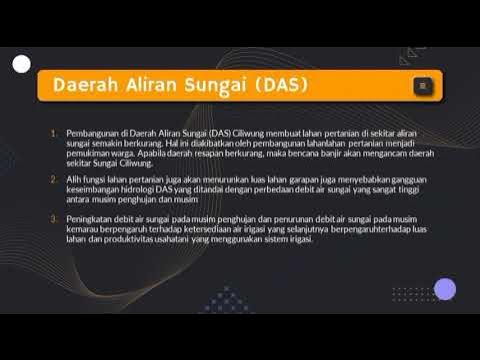


5.0 / 5 (0 votes)

