Reaksi Kimia dan Dinamikanya (Kelas 9 SMP)
Summary
TLDRThis educational video covers the basics of chemical reactions for 9th-grade students, including the definition, characteristics, and types of chemical reactions. Key concepts such as synthesis, decomposition, single and double displacement, combustion, and neutralization reactions are explained with examples. The video also introduces the factors influencing reaction rates, like concentration, temperature, surface area, and catalysts. It concludes by discussing the real-life applications of chemical reactions, including digestion, respiration, corrosion, and energy production, emphasizing their significance in everyday life and scientific processes.
Takeaways
- 😀 Chemical reactions can be observed in everyday occurrences, like rusting iron, spoiled bread, and fireworks.
- 😀 There are five signs that a chemical reaction is happening: color change, gas formation, precipitate formation, temperature change, and light emission.
- 😀 A chemical reaction involves the breaking and reforming of chemical bonds between atoms.
- 😀 There are six main types of chemical reactions: synthesis, decomposition, single displacement, double displacement, combustion, and neutralization.
- 😀 In a **synthesis reaction**, two or more substances combine to form a new substance (e.g., hydrogen and oxygen forming water).
- 😀 A **decomposition reaction** breaks down a substance into simpler substances (e.g., hydrogen peroxide breaking into water and oxygen).
- 😀 A **single displacement reaction** occurs when one element replaces another in a compound (e.g., iron replacing copper in copper sulfate).
- 😀 A **double displacement reaction** involves the exchange of ions between two compounds (e.g., silver nitrate reacting with sodium chloride).
- 😀 **Combustion reactions** involve a substance reacting with oxygen to release heat and light (e.g., methane burning to produce carbon dioxide and water).
- 😀 **Neutralization reactions** occur when an acid reacts with a base to form salt and water (e.g., hydrochloric acid reacting with sodium hydroxide).
- 😀 Factors influencing reaction rates include concentration, temperature, surface area, and the presence of a catalyst.
- 😀 **Exothermic reactions** release heat (e.g., combustion), while **endothermic reactions** absorb heat (e.g., melting ice).
- 😀 Chemical reactions have numerous practical applications, such as in digestion, respiration, corrosion, cooking, photosynthesis, drug manufacturing, fermentation, and agriculture.
Q & A
What is a chemical reaction?
-A chemical reaction is a process in which substances (reactants) change to form new substances (products) with different properties. This occurs when the chemical bonds between atoms in the reactants are broken and new bonds are formed to create products.
What are the five signs of a chemical reaction?
-The five signs of a chemical reaction are: 1) Color change, 2) Gas formation, 3) Formation of a precipitate, 4) Temperature change, and 5) Light emission.
Can you give an example of a color change during a chemical reaction?
-Yes, an example is when copper is heated, it changes color to black due to the formation of copper oxide.
What is the significance of gas formation in chemical reactions?
-Gas formation indicates that a chemical reaction is taking place. For example, when vinegar is mixed with baking soda, carbon dioxide gas is formed, which is seen as bubbles.
What is a precipitate and how does it form in a chemical reaction?
-A precipitate is a solid that forms from a liquid solution during a chemical reaction. For instance, when barium chloride solution is mixed with sodium sulfate solution, a white solid of barium sulfate is formed.
What is the difference between an exothermic and an endothermic reaction?
-An exothermic reaction releases heat, causing the surrounding temperature to rise (e.g., combustion reactions). In contrast, an endothermic reaction absorbs heat, leading to a decrease in the surrounding temperature (e.g., melting ice).
How do concentration and temperature affect the rate of a chemical reaction?
-Increasing the concentration of reactants speeds up the reaction, as there are more particles to collide. Higher temperature also accelerates the reaction, as it causes particles to move faster, leading to more frequent collisions.
What is a catalyst and how does it affect a chemical reaction?
-A catalyst is a substance that speeds up a chemical reaction without being consumed in the process. Enzymes are common biological catalysts that facilitate reactions in living organisms.
What are the six types of chemical reactions mentioned in the video?
-The six types of chemical reactions discussed are: 1) Synthesis (combination), 2) Decomposition, 3) Single displacement, 4) Double displacement, 5) Combustion, and 6) Neutralization.
How does neutralization occur in a chemical reaction?
-Neutralization occurs when an acid and a base react to form salt and water. For example, when hydrochloric acid (HCl) reacts with sodium hydroxide (NaOH), it produces sodium chloride (NaCl) and water (H2O).
Outlines

Dieser Bereich ist nur für Premium-Benutzer verfügbar. Bitte führen Sie ein Upgrade durch, um auf diesen Abschnitt zuzugreifen.
Upgrade durchführenMindmap

Dieser Bereich ist nur für Premium-Benutzer verfügbar. Bitte führen Sie ein Upgrade durch, um auf diesen Abschnitt zuzugreifen.
Upgrade durchführenKeywords

Dieser Bereich ist nur für Premium-Benutzer verfügbar. Bitte führen Sie ein Upgrade durch, um auf diesen Abschnitt zuzugreifen.
Upgrade durchführenHighlights

Dieser Bereich ist nur für Premium-Benutzer verfügbar. Bitte führen Sie ein Upgrade durch, um auf diesen Abschnitt zuzugreifen.
Upgrade durchführenTranscripts

Dieser Bereich ist nur für Premium-Benutzer verfügbar. Bitte führen Sie ein Upgrade durch, um auf diesen Abschnitt zuzugreifen.
Upgrade durchführenWeitere ähnliche Videos ansehen
Kurikulum Merdeka Rangkuman IPA Kelas 9 BAB 5
IPA kelas 9 BAB 5 reaksi kimia dan dinamikanya kurikulum merdeka ciri dan jenis reaksi kimia

PERSAMAAN REAKSI KIMIA (Kelas 10)
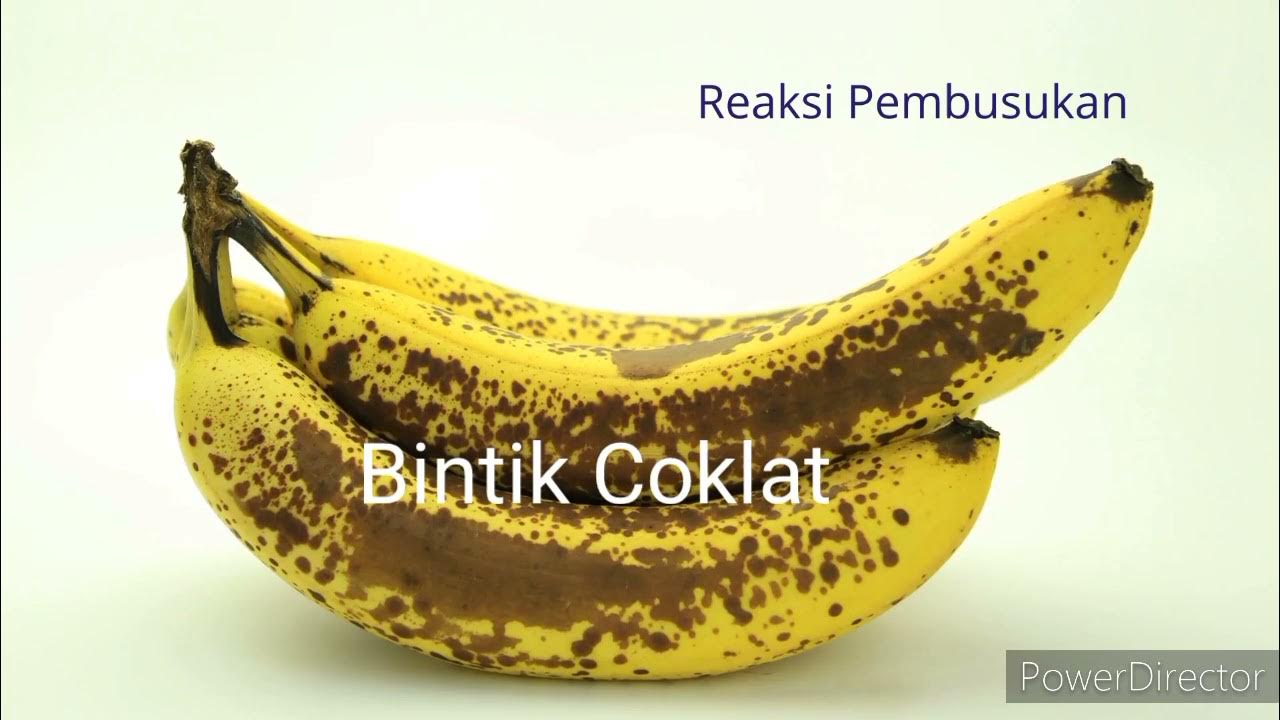
Ciri Reaksi Kimia

41 - Exercícios tipos de reações inorgânicas - 9° Ano
Persamaa Reaksi Kimia - IPA ( Kimia ) SMA Kelas X / Fase E - Kurikulum merdeka
5.0 / 5 (0 votes)

