ANEMIA SIDEROBLÁSTICA (FISIOPATOLOGIA-SINTOMAS-DIAGNOSTICO-TRATAMENTO) | HEMATOLOGIA
Summary
TLDRThis video explains sideroblastic anemia, a condition marked by impaired heme production, affecting hemoglobin synthesis in red blood cells. The causes are explored, including genetic defects (X-linked) and acquired forms like lead poisoning or drug toxicity. Symptoms such as fatigue, pallor, and weakness are common, with a varying severity of anemia. Diagnosis involves a Prussian blue stain to identify ringed sideroblasts, and treatment may include blood transfusions, erythropoietin, or chelation therapy for poisoning. The video provides both a scientific breakdown and practical insights into managing this rare anemia.
Takeaways
- 😀 Anemia sideroblástica is a group of disorders characterized by impaired porphyrin formation, which leads to incomplete heme production and, consequently, incomplete hemoglobin in red blood cells.
- 😀 The process of heme formation starts in the mitochondria of a cell, where glycine and succinyl-CoA combine, leading to the production of porphyrins and eventually heme.
- 😀 The enzyme ALA synthase (or amino-levulinic acid synthase) plays a crucial role in the early stages of porphyrin and heme production. Deficiency in this enzyme can disrupt the entire process.
- 😀 Anemia sideroblástica can be either acquired or hereditary. Hereditary cases are often X-linked, caused by the absence of ALA synthase.
- 😀 Acquired anemia sideroblástica may be primary, secondary due to bone marrow issues, or caused by toxins such as lead poisoning or certain medications.
- 😀 Clinical symptoms include moderate anemia, fatigue, weakness, pallor, and poor exercise tolerance. Hemoglobin levels typically range from 4 to 10 grams per deciliter.
- 😀 Basophilic stippling (small blue dots in red blood cells) is a key characteristic of anemia sideroblástica, reflecting improperly incorporated iron.
- 😀 In acquired forms of anemia sideroblástica, the serum iron level is usually normal or elevated, as the iron is not properly incorporated into heme and accumulates in cells or plasma.
- 😀 Diagnosis is confirmed through a bone marrow examination using Prussian blue staining, which highlights ringed sideroblasts—red blood cells with iron accumulation.
- 😀 Treatment options for anemia sideroblástica include blood transfusions, erythropoietin, and chelation therapy if caused by lead poisoning. Pyridoxine (vitamin B6) may also help in some cases.
Q & A
What is the primary cause of sideroblastic anemia?
-The primary cause of sideroblastic anemia is a deficiency or malfunction of the enzyme 'aminolevulinic acid synthase' (ALAS), which leads to impaired formation of porphyrin and heme, resulting in incomplete hemoglobin formation.
How does the process of heme formation start in the body?
-The process of heme formation starts in the mitochondria, where glycine combines with succinyl-CoA to form aminolevulinic acid (ALA), catalyzed by the enzyme ALAS. This leads to the formation of porphyrins, eventually resulting in the formation of heme.
What role does the enzyme ALAS play in the formation of heme?
-The enzyme ALAS is essential in the initial step of heme synthesis, as it catalyzes the conversion of glycine and succinyl-CoA into aminolevulinic acid (ALA), which is the precursor for porphyrins and ultimately heme.
What types of sideroblastic anemia exist?
-There are two main types of sideroblastic anemia: hereditary (genetic) and acquired. Hereditary sideroblastic anemia is linked to a genetic defect on the X chromosome, while acquired forms can be caused by factors such as myelodysplastic syndromes, drug toxicity, or lead poisoning.
What is the difference between primary and secondary acquired sideroblastic anemia?
-Primary acquired sideroblastic anemia is usually associated with myelodysplastic syndromes, while secondary acquired sideroblastic anemia may result from factors such as drug toxicity, lead poisoning, or bone marrow damage.
How can hereditary sideroblastic anemia be passed down?
-Hereditary sideroblastic anemia is typically inherited through the X chromosome. It often affects males more severely, as they have only one X chromosome, while females are usually carriers unless they inherit the defect from both parents.
What clinical symptoms are associated with sideroblastic anemia?
-Symptoms of sideroblastic anemia can include moderate anemia, weakness, fatigue, intolerance to exercise, pallor, and mucosal paleness. Hemoglobin levels typically range from 4 to 10 grams per deciliter.
What is the significance of basophilic stippling in sideroblastic anemia?
-Basophilic stippling refers to the presence of small blue dots within red blood cells. This feature is a characteristic finding in sideroblastic anemia, indicating the accumulation of iron that is not properly incorporated into hemoglobin.
How is sideroblastic anemia diagnosed?
-Sideroblastic anemia is diagnosed through a bone marrow examination (mielogram), where the presence of ringed sideroblasts (red blood cells with iron deposits around the nucleus) is highlighted using Prussian blue stain.
What treatments are available for sideroblastic anemia?
-Treatment options for sideroblastic anemia include blood transfusions, erythropoietin therapy, chelation therapy (for lead poisoning), and in some cases, vitamin B6 (pyridoxine) supplementation, which can help improve symptoms in certain patients.
Outlines

Dieser Bereich ist nur für Premium-Benutzer verfügbar. Bitte führen Sie ein Upgrade durch, um auf diesen Abschnitt zuzugreifen.
Upgrade durchführenMindmap

Dieser Bereich ist nur für Premium-Benutzer verfügbar. Bitte führen Sie ein Upgrade durch, um auf diesen Abschnitt zuzugreifen.
Upgrade durchführenKeywords

Dieser Bereich ist nur für Premium-Benutzer verfügbar. Bitte führen Sie ein Upgrade durch, um auf diesen Abschnitt zuzugreifen.
Upgrade durchführenHighlights

Dieser Bereich ist nur für Premium-Benutzer verfügbar. Bitte führen Sie ein Upgrade durch, um auf diesen Abschnitt zuzugreifen.
Upgrade durchführenTranscripts

Dieser Bereich ist nur für Premium-Benutzer verfügbar. Bitte führen Sie ein Upgrade durch, um auf diesen Abschnitt zuzugreifen.
Upgrade durchführenWeitere ähnliche Videos ansehen

Heme Synthesis Pathway
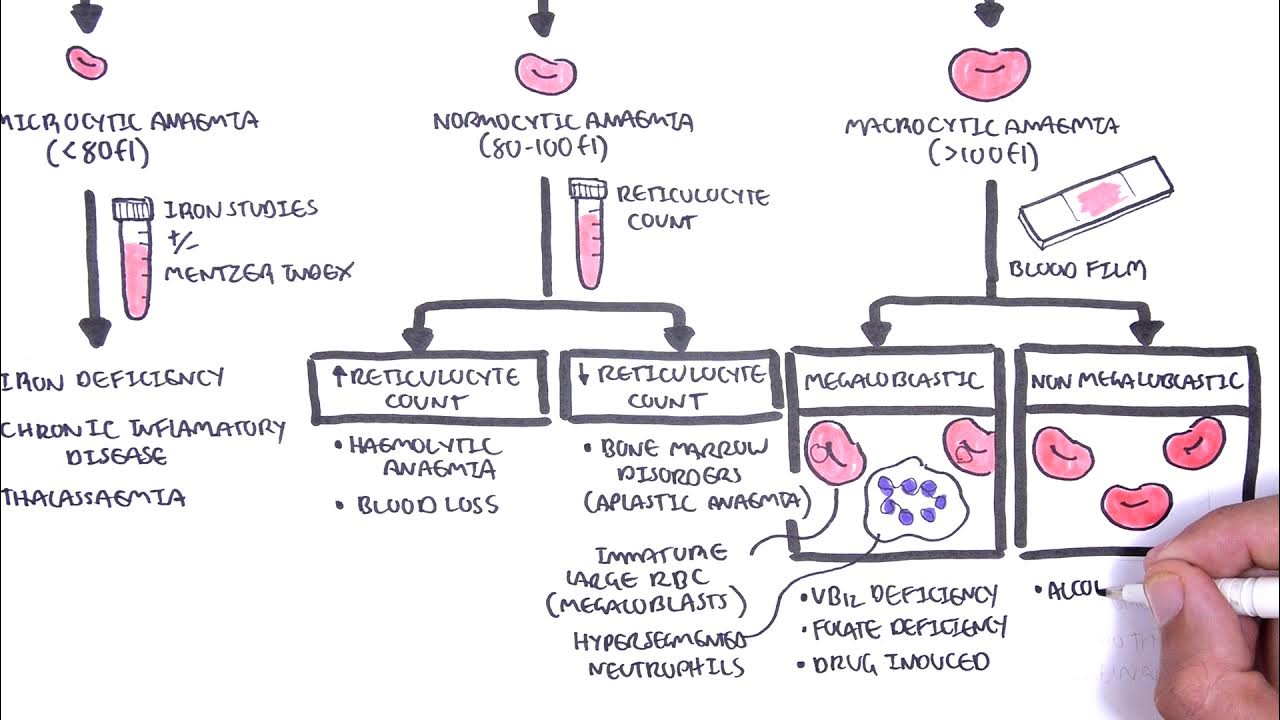
Anaemia (anemia) - classification (microcytic, normocytic and macrocytic) and pathophysiology

Megaloblastic Anemia Part 1- Vitamin B12 Deficiency Anemia

Hemoglobin

Metabolismo do Ferro e Eritropoiese - proteinas, hormônios e enzimas participantes

MICROANGIOPATHIC HAEMOLYTIC ANAEMIA
5.0 / 5 (0 votes)

