The 'Recycling' Scam, Explained
Summary
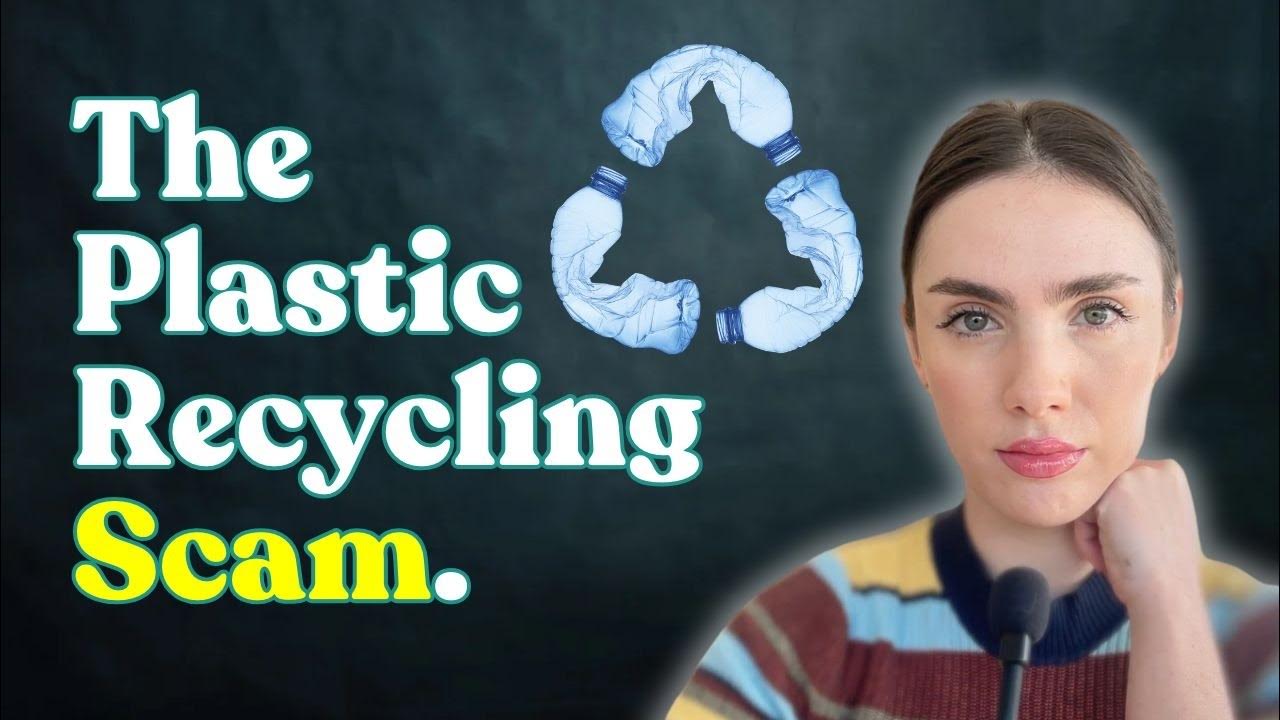
TLDRThe plastic recycling system is a massive deception orchestrated by the plastic industry to maintain profits while avoiding responsibility for waste. The resin identification code, introduced in 1988, misled consumers into believing that plastics could be recycled, when in reality, most of it ends up in landfills or is incinerated. The Mobro incident of 1987 exposed the growing trash problem, prompting the industry to shift blame onto consumers through 'wish cycling.' Today, chemical recycling only further prolongs the illusion, while the true solution lies in reducing plastic use and choosing sustainable alternatives.
Takeaways
- 😀 Plastic is everywhere and is harming the environment. It lasts for centuries and is pervasive in oceans, rivers, coastlines, landfills, and even the air we breathe.
- 😀 The plastic recycling symbol on products is misleading. It doesn't guarantee that the material will be recycled but rather identifies the type of plastic.
- 😀 The concept of recycling plastic was sold as a way to mitigate environmental damage, but it’s largely ineffective and economically unfeasible.
- 😀 The Mobro 4000 garbage barge incident in 1987 revealed the global waste problem and led to the growing awareness of plastic waste.
- 😀 The plastics industry pushed a narrative of recycling to avoid bans and restrictions, with the aim of maintaining profits and the widespread use of plastic.
- 😀 Plastic recycling is much more challenging than other materials like aluminum. Most plastics degrade when recycled and can’t be melted down together.
- 😀 In 1988, the Society of the Plastic Industry introduced the Resin Identification Code (RIC), which led to the symbol being used on plastic packaging to create the illusion of recyclability.
- 😀 A psychological trap called 'wish cycling' occurs when people throw non-recyclable items into recycling bins, which contaminates the recycling stream and worsens the problem.
- 😀 The economic incentives are broken. Virgin plastic is cheaper to produce than recycled plastic, leading companies to prefer new plastic over recycled materials.
- 😀 The global recycling market collapsed in 2018 when China banned the import of foreign plastic waste, further exposing the failure of the recycling system and its limited effectiveness.
Q & A
What is the primary issue discussed in the video?
-The video addresses the widespread environmental problem of plastic waste, its harmful effects on ecosystems, and the illusion of recycling, specifically how the plastic industry has manipulated public perception to sustain its profits.
How long can plastic take to break down?
-Plastic can take hundreds of years to break down, and even when it does, it only decomposes into harmful microplastics, which persist in the environment.
What was the 'greatest trick' pulled by corporate America, according to the video?
-The greatest trick was convincing the public that the recycling symbol on plastic bottles meant the material would be recycled, even though most plastic waste ends up in landfills or is burned.
What was the Mobro 4000 incident and why was it significant?
-The Mobro 4000 was a garbage barge that became a public spectacle when it was rejected by several ports, highlighting the growing problem of plastic waste and pushing politicians to consider plastic bans. It became a pivotal moment in the plastics industry's history.
What role did the plastics industry play in the public’s misunderstanding of recycling?
-The plastics industry introduced the resin identification code in 1988, using the universal recycling symbol to falsely suggest that plastics could be recycled, even though many types were non-recyclable and would often end up as waste.
What is 'wish cycling' and why is it harmful?
-'Wish cycling' refers to the act of placing non-recyclable items in recycling bins with the hope they will be recycled. This contaminates the recycling stream, making the entire batch worthless, and shifts the blame to consumers for improper sorting.
Why is recycling plastic so difficult?
-Recycling plastic is challenging because there are thousands of different types of plastic that cannot be melted down together. Additionally, recycling plastic degrades its quality each time, making it less viable as a sustainable process.
What was the impact of China's National Sword policy on the recycling market?
-China's National Sword policy, passed in 2018, banned the import of most foreign plastic waste. This caused a collapse in the global recycling market, as many countries, including the U.S., were left with nowhere to send their plastic waste, further exposing the recycling system's flaws.
What is 'chemical recycling' and how does it fall short of its promises?
-Chemical recycling involves breaking down plastics into their molecular components to be reused. However, most facilities are not turning plastic back into reusable plastic but instead are converting it into fuel like diesel, releasing harmful pollutants in the process.
What is moral licensing and how does it relate to plastic consumption?
-Moral licensing is a psychological phenomenon where performing a good action (like recycling) gives individuals permission to continue harmful behavior (like buying more plastic). The plastic industry capitalized on this to maintain high levels of plastic consumption by making consumers feel good about recycling.
Outlines

Dieser Bereich ist nur für Premium-Benutzer verfügbar. Bitte führen Sie ein Upgrade durch, um auf diesen Abschnitt zuzugreifen.
Upgrade durchführenMindmap

Dieser Bereich ist nur für Premium-Benutzer verfügbar. Bitte führen Sie ein Upgrade durch, um auf diesen Abschnitt zuzugreifen.
Upgrade durchführenKeywords

Dieser Bereich ist nur für Premium-Benutzer verfügbar. Bitte führen Sie ein Upgrade durch, um auf diesen Abschnitt zuzugreifen.
Upgrade durchführenHighlights

Dieser Bereich ist nur für Premium-Benutzer verfügbar. Bitte führen Sie ein Upgrade durch, um auf diesen Abschnitt zuzugreifen.
Upgrade durchführenTranscripts

Dieser Bereich ist nur für Premium-Benutzer verfügbar. Bitte führen Sie ein Upgrade durch, um auf diesen Abschnitt zuzugreifen.
Upgrade durchführen


5.0 / 5 (0 votes)

