Why Your Calorie Deficit Isn’t Working (fix this)
Summary
TLDRIn this video, Alex from AG Coaching breaks down why a calorie deficit might not be working for some people trying to lose body fat. He highlights four key reasons: not tracking calories, small things adding up, setting activity levels too high, and big weekend blowouts or cheat meals. Alex emphasizes the importance of tracking food, avoiding sneaky calorie-dense items, and being mindful of lifestyle factors like alcohol and fast food, which can derail progress. The video aims to provide simple, actionable tips for anyone struggling to stay on track with their weight loss goals.
Takeaways
- 😀 Track your calories: Even if you're eating healthy, not tracking your calories can still lead to unintentional overeating. Use a food scale for accuracy.
- 🍽️ Healthy eating doesn't guarantee weight loss: Just because a food seems healthy (like a granola bowl) doesn't mean it's low in calories. Portion control is key.
- 🧠 Understanding calorie density: High-calorie foods like macadamia nuts or dates can quickly add up, so be mindful of portion sizes.
- 💡 Sustainability is key: Including 10-20% of your diet with foods you enjoy, like sweets or snacks, can help you stay on track without feeling deprived.
- 📏 Portion size matters: Eyeballing portions can lead to underestimating calorie intake. Studies suggest we can misjudge our calories by up to 2,000.
- 🍩 Small things add up: Everyday items like dark chocolate, peanut butter, and oils can add significant calories if not tracked, often sabotaging your deficit.
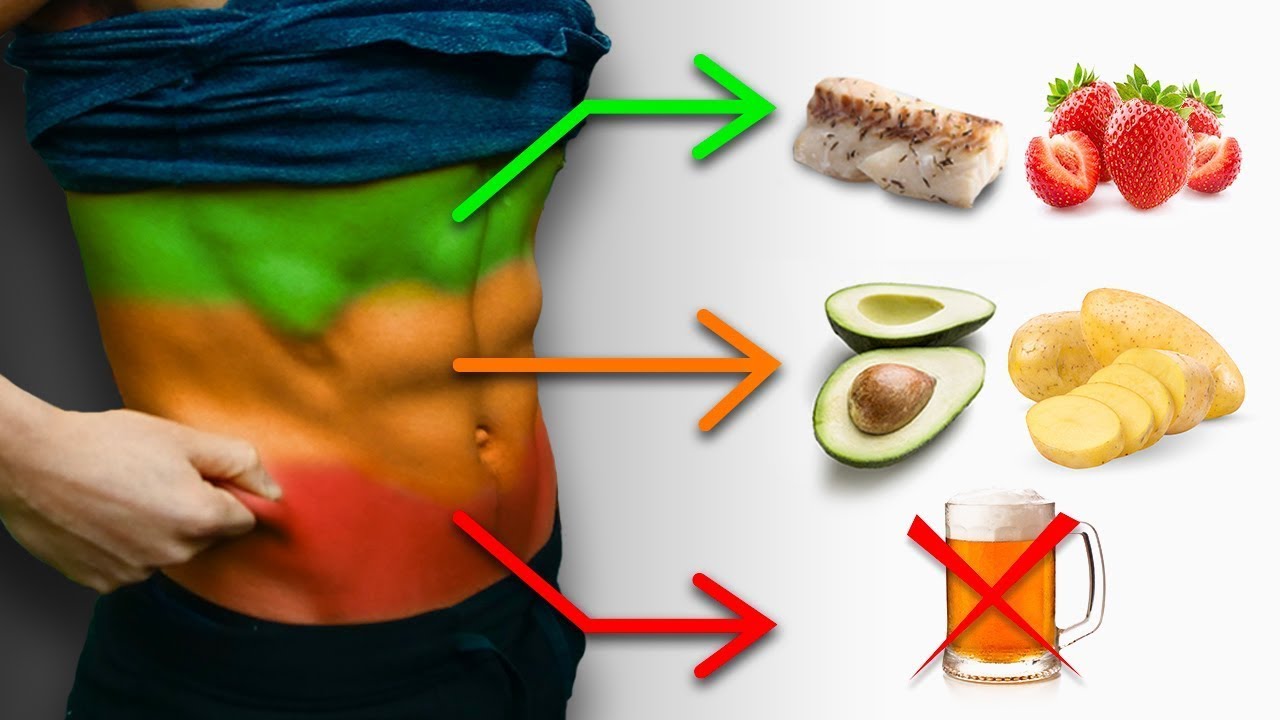
- 🍺 Alcohol and cheat meals derail progress: Alcoholic drinks, especially cocktails and beer, can add hundreds of calories, making it harder to maintain a calorie deficit.
- 📅 Weekend blowouts: Big weekend meals, drinks, and cheat days can undo a week's worth of effort if you're not careful with moderation.
- 🏃♂️ Choose the right activity level: Overestimating your activity level when calculating your calories can lead to incorrect calorie recommendations, leaving you out of a deficit.
- 🥤 Small indulgences count: Sauces, coffees, and even seemingly minor things like salad dressings or a splash of milk can significantly add to your daily calorie intake.
- 📝 Meal planning helps: Pre-planning your meals and tracking everything in advance removes the guesswork and prevents spontaneous indulgence, keeping you on track.
Q & A
Why might a calorie deficit not work for someone despite eating healthy?
-The main reason is that even though someone may be eating healthy foods, they might not be tracking their calories accurately. Many healthy foods are calorie-dense, and it's easy to overeat without realizing it, leading to a calorie surplus instead of a deficit.
Why is it important to track your calories, even when eating healthy?
-Tracking calories is crucial because even healthy foods can add up quickly in calories. Without tracking, it's easy to underestimate how much you're actually eating, which can prevent you from staying in a calorie deficit and losing fat.
How can a granola bowl affect your calorie intake when you're trying to lose weight?
-A granola bowl, which may seem healthy, can be very calorie-dense. For example, a typical granola bowl with coconut yogurt, granola, and maple syrup can have 785 calories and only 14 grams of protein, which can leave you feeling hungry soon after eating. Tracking the calories in such meals is essential to stay within your calorie target.
What are some healthier alternatives to calorie-dense meals like granola bowls?
-A great alternative is a high-protein breakfast like oats with whey protein and blueberries, which provides about 38 grams of protein and only 456 calories. This meal keeps you fuller for longer and is more effective for maintaining a calorie deficit.
How does overeating on healthy snacks like nuts and dried fruits affect your calorie intake?
-Nuts and dried fruits, while healthy, are very calorie-dense. For example, 500 calories of macadamia nuts or dates can be consumed very quickly, leading to a significant calorie surplus. It's important to track and portion these snacks to avoid unintentionally going over your calorie target.
What small things can add up in terms of calorie intake during the day?
-Small, seemingly insignificant items like dark chocolate, peanut butter, oils, and sauces can add up quickly. For example, just two squares of dark chocolate or a tablespoon of peanut butter can each add 100 calories, and oils used in cooking can contribute even more. These calories can easily go unnoticed unless tracked.
How can cooking oils impact your calorie deficit?
-Cooking oils are high in calories, with just one teaspoon containing about 120 calories. When used liberally, such as two tablespoons in cooking, this can add up to 240 calories. To avoid this, consider using a spray oil, which allows for better portion control and fewer calories.
Why is it easy to overlook calories in drinks and sauces?
-It's easy to forget to track calories from drinks like coffee with milk or sugary beverages, as well as sauces. For example, a vanilla latte can have over 300 calories, and sauces like mayonnaise can add 100 calories for just 15 grams. These calories can quickly add up if not monitored.
What role does alcohol play in breaking a calorie deficit?
-Alcohol, especially in large quantities, can significantly impact a calorie deficit. For example, drinking several beers or cocktails can easily add up to hundreds of calories. Even moderate consumption of wine can contribute 120-500 calories per serving, which can quickly erase the progress made during the week.
What is the impact of 'cheat meals' and big weekend blowouts on weight loss?
-Weekend blowouts, including overeating and drinking alcohol, can undo the progress made throughout the week. For example, consuming a combination of alcohol and fast food in one night can exceed your weekly calorie deficit, halting your fat loss progress. It's important to plan ahead and be mindful of these potential pitfalls.
Outlines

Dieser Bereich ist nur für Premium-Benutzer verfügbar. Bitte führen Sie ein Upgrade durch, um auf diesen Abschnitt zuzugreifen.
Upgrade durchführenMindmap

Dieser Bereich ist nur für Premium-Benutzer verfügbar. Bitte führen Sie ein Upgrade durch, um auf diesen Abschnitt zuzugreifen.
Upgrade durchführenKeywords

Dieser Bereich ist nur für Premium-Benutzer verfügbar. Bitte führen Sie ein Upgrade durch, um auf diesen Abschnitt zuzugreifen.
Upgrade durchführenHighlights

Dieser Bereich ist nur für Premium-Benutzer verfügbar. Bitte führen Sie ein Upgrade durch, um auf diesen Abschnitt zuzugreifen.
Upgrade durchführenTranscripts

Dieser Bereich ist nur für Premium-Benutzer verfügbar. Bitte führen Sie ein Upgrade durch, um auf diesen Abschnitt zuzugreifen.
Upgrade durchführenWeitere ähnliche Videos ansehen





5.0 / 5 (0 votes)

