System Design Interview Prep: Queue vs PubSub
Summary
TLDRThis script clarifies the distinction between Pub/Sub and messaging queues, two popular mechanisms for big data processing. Despite their shared use for asynchronous messaging, Pub/Sub excels in one-to-many broadcasting, allowing multiple consumers to receive the same message, as exemplified by a stock market notification system. In contrast, queues are designed for one-to-one messaging, suitable for parallel processing and disaster recovery. The script emphasizes the importance of understanding these differences for effective system design and scalability.
Takeaways
- 😀 Pub/Sub and messaging queues are popular for big data processing but are distinct in their functionality.
- 🔍 Tools like Kafka, Amazon SNS, and Amazon SQS are commonly used but can cause confusion between Pub/Sub and queues.
- 📢 Pub/Sub is designed for one-to-many messaging, where messages are copied to all consumers, like in a stock market notification system.
- 📈 The benefit of Pub/Sub is the ability to easily extend the system by adding new consumers who receive a copy of the event.
- 📚 Pub/Sub systems often use topics to categorize messages, allowing consumers to subscribe to specific topics of interest.
- 📬 Messaging queues are intended for one-to-one messaging, ensuring that each message is handled by a single consumer, like processing stock market orders.
- 🚫 Adding multiple consumers to a queue for the same message is not recommended due to the one-to-one nature of queues.
- 🔄 The advantage of queues is their ability to handle parallel processing and quickly clear a backlog with multiple script replicas.
- 🛡 Queues also serve as a data store for disaster recovery, ensuring continuity of operations after an interruption.
- 🔄 Both Pub/Sub and queues support asynchronous messaging, allowing for independent scaling of producers and consumers.
- 🛠 Understanding the precise definitions of Pub/Sub and queues is crucial for knowing when to use each and for troubleshooting.
Q & A
What is the main confusion between Pub/Sub and messaging queues?
-The main confusion is that both Pub/Sub and messaging queues are used for asynchronous messaging and have concepts of consumers and producers, but they serve different purposes and operate differently.
Why do tools like Kafka blur the lines between Pub/Sub and queues?
-Tools like Kafka blur the lines because they back each of their Pub/Sub consumers with a queue, which combines features of both Pub/Sub and queues.
What is the primary purpose of Pub/Sub systems?
-The primary purpose of Pub/Sub systems is to facilitate one-to-many messaging, where messages are fanned out or copied to all consumers.
Can you provide an example of a Pub/Sub system in action?
-An example is a stock market notification system where an event (e.g., a stock hitting a certain price) is sent to each type of consumer, such as one for buying and one for selling.
What is the advantage of Pub/Sub over queues when additional consumers want to process the same message?
-The advantage is that with Pub/Sub, if another consumer wants to process the message (e.g., generate a report), they can simply subscribe to the event and receive a copy without affecting other consumers.
What is the primary purpose of messaging queues?
-The primary purpose of messaging queues is to facilitate one-to-one messaging, ensuring that each message is received and processed by only one consumer.
Why is adding another consumer to a queue for processing not recommended?
-Adding another consumer to a queue for processing is not recommended because it would create competition between consumers, which is not desirable in a one-to-one messaging system like a queue.
What is the benefit of queues when there is a need for parallel processing?
-The benefit of queues for parallel processing is that if there are multiple replicas of the same script, they can tackle the queue simultaneously, greatly improving processing speed and efficiency.
How do queues contribute to disaster recovery?
-Queues contribute to disaster recovery by storing data, allowing systems to resume operations from where they left off after an interruption, similar to a to-do list in a restaurant.
What are the key differences between Pub/Sub and queues in terms of system scalability and message distribution?
-Pub/Sub is good for spreading a message and allowing a system to be easily extended, while queues are good for parallel processing and ensuring data is stored for disaster recovery.
Why is it important to understand the precise definitions of Pub/Sub and queues?
-It is important to understand the precise definitions to know exactly when to use each, to optimize system design, and to troubleshoot issues effectively.
Outlines

Dieser Bereich ist nur für Premium-Benutzer verfügbar. Bitte führen Sie ein Upgrade durch, um auf diesen Abschnitt zuzugreifen.
Upgrade durchführenMindmap

Dieser Bereich ist nur für Premium-Benutzer verfügbar. Bitte führen Sie ein Upgrade durch, um auf diesen Abschnitt zuzugreifen.
Upgrade durchführenKeywords

Dieser Bereich ist nur für Premium-Benutzer verfügbar. Bitte führen Sie ein Upgrade durch, um auf diesen Abschnitt zuzugreifen.
Upgrade durchführenHighlights

Dieser Bereich ist nur für Premium-Benutzer verfügbar. Bitte führen Sie ein Upgrade durch, um auf diesen Abschnitt zuzugreifen.
Upgrade durchführenTranscripts

Dieser Bereich ist nur für Premium-Benutzer verfügbar. Bitte führen Sie ein Upgrade durch, um auf diesen Abschnitt zuzugreifen.
Upgrade durchführen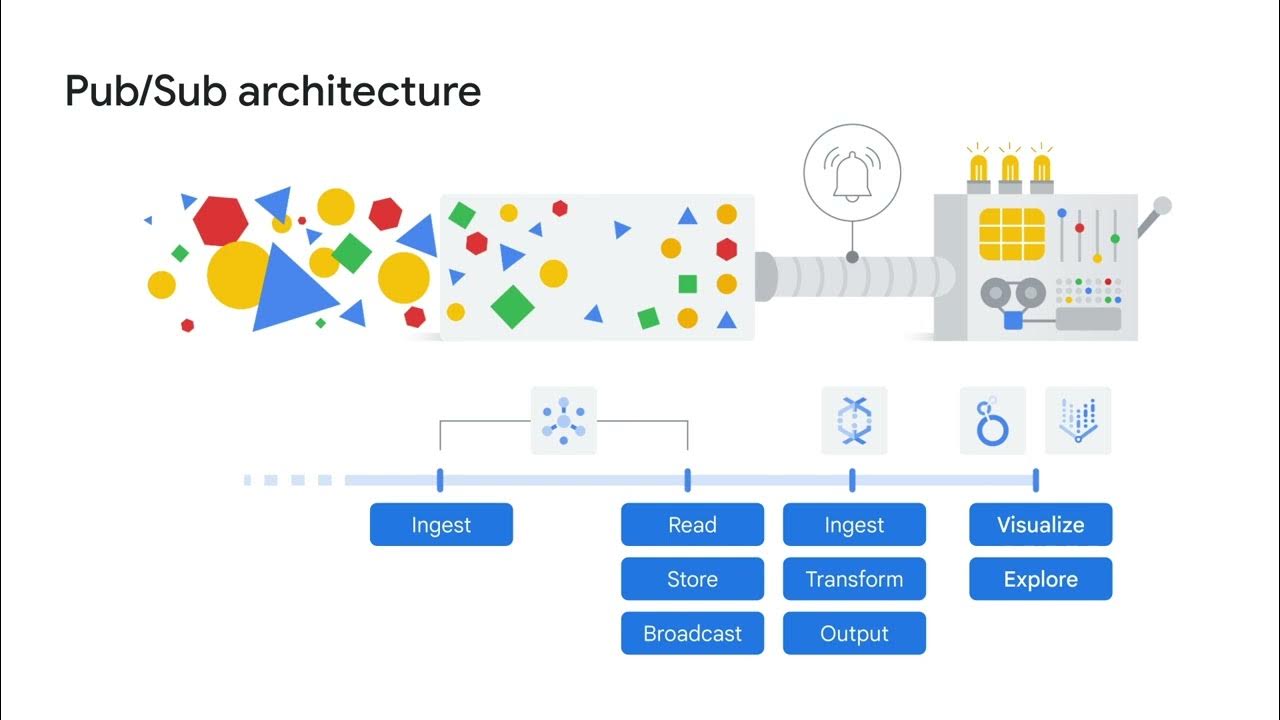





5.0 / 5 (0 votes)

