Aplikasi Integral • Part 6: Surplus Konsumen dan Surplus Produsen
Summary
TLDRThis video from Jendela Sains explains the economic concepts of consumer and producer surplus using integrals. It begins by reviewing demand and supply functions, showing how price and quantity interact to determine market equilibrium. The video illustrates how producer surplus represents the extra profit producers earn when selling above their minimum acceptable price, while consumer surplus is the benefit consumers gain when paying less than their maximum willingness to pay. Through step-by-step calculations and an example, the video demonstrates how to compute these surpluses using integrals, making the abstract concepts tangible and providing a clear understanding of market dynamics.
Takeaways
- 😀 Producer Surplus (SP) represents the extra benefit producers receive when they sell goods at a price higher than they were willing to accept.
- 😀 Consumer Surplus (SK) refers to the extra benefit consumers get from paying a price lower than they were willing to pay.
- 😀 The demand function shows the inverse relationship between price (P) and quantity demanded (Q), meaning as the price falls, consumers demand more goods.
- 😀 The supply function shows the direct relationship between price (P) and quantity supplied (Q), meaning as the price rises, producers supply more goods.
- 😀 The equilibrium point occurs when the supply and demand curves intersect, determining the market's price and quantity.
- 😀 At the equilibrium price (P_e), both the quantity demanded (Q_e) and quantity supplied (Q_s) are equal, ensuring market balance.
- 😀 Producer Surplus (SP) can be calculated using the integral formula: SP = ∫ from 0 to Q_e (P - P_s) dq.
- 😀 Consumer Surplus (SK) can be calculated using the integral formula: SK = ∫ from 0 to Q_e (P_d - P_e) dq.
- 😀 The producer surplus area is a triangle on the graph, representing the difference between the price the producer receives and the price they were willing to accept.
- 😀 The consumer surplus area is also a triangle, representing the difference between the price the consumer is willing to pay and the price they actually pay.
- 😀 In the example provided, with a demand function P = (1/4) * (40 - Q) and a market price of P_e = 5, the consumer surplus (SK) is calculated to be 50 when the equilibrium quantity is 20.
Q & A
What is the main topic discussed in the video?
-The video primarily discusses producer surplus and consumer surplus, explaining how these concepts are related to demand and supply functions in economics.
What is the definition of a demand function?
-A demand function expresses the relationship between the price of a good and the quantity demanded by consumers. It shows that as the price decreases, the quantity demanded increases, and vice versa.
How is the supply function different from the demand function?
-The supply function represents the relationship between the price of a good and the quantity that producers are willing to sell. Unlike the demand function, the supply function has a positive slope, meaning that as the price increases, the quantity supplied increases.
What is the equilibrium point in economics?
-The equilibrium point is where the supply and demand curves intersect, indicating the price and quantity at which the market clears, meaning there is neither a surplus nor a shortage of goods.
What does 'surplus producer' mean?
-Producer surplus refers to the benefit producers receive when they sell a product at a price higher than the minimum price at which they were willing to sell it. It is visually represented as the area between the price line and the supply curve.
How is producer surplus calculated mathematically?
-Producer surplus can be calculated using the formula for the area of a triangle: SP = integral from 0 to Qe of (Pe - P) dq, where Pe is the equilibrium price and P is the price from the supply function.
What is consumer surplus?
-Consumer surplus represents the benefit consumers receive when they are able to buy a product for a price lower than the maximum price they are willing to pay. It is the area between the price line and the demand curve.
How is consumer surplus calculated mathematically?
-Consumer surplus is calculated using the formula: SK = integral from 0 to Qe of (P - Pe) dq, where P is the price from the demand function and Pe is the equilibrium price.
What is the role of price in determining consumer and producer surplus?
-The price directly influences both consumer and producer surplus. A higher price leads to higher producer surplus and lower consumer surplus, while a lower price increases consumer surplus but reduces producer surplus.
Can you explain the example calculation of consumer surplus given in the video?
-In the example, the equilibrium price (Pe) is 5. Using the demand function, the quantity demanded at this price (Qe) is 20 units. The consumer surplus is calculated by integrating the demand function from 0 to 20, resulting in a surplus of 50.
Outlines

هذا القسم متوفر فقط للمشتركين. يرجى الترقية للوصول إلى هذه الميزة.
قم بالترقية الآنMindmap

هذا القسم متوفر فقط للمشتركين. يرجى الترقية للوصول إلى هذه الميزة.
قم بالترقية الآنKeywords

هذا القسم متوفر فقط للمشتركين. يرجى الترقية للوصول إلى هذه الميزة.
قم بالترقية الآنHighlights

هذا القسم متوفر فقط للمشتركين. يرجى الترقية للوصول إلى هذه الميزة.
قم بالترقية الآنTranscripts

هذا القسم متوفر فقط للمشتركين. يرجى الترقية للوصول إلى هذه الميزة.
قم بالترقية الآنتصفح المزيد من مقاطع الفيديو ذات الصلة
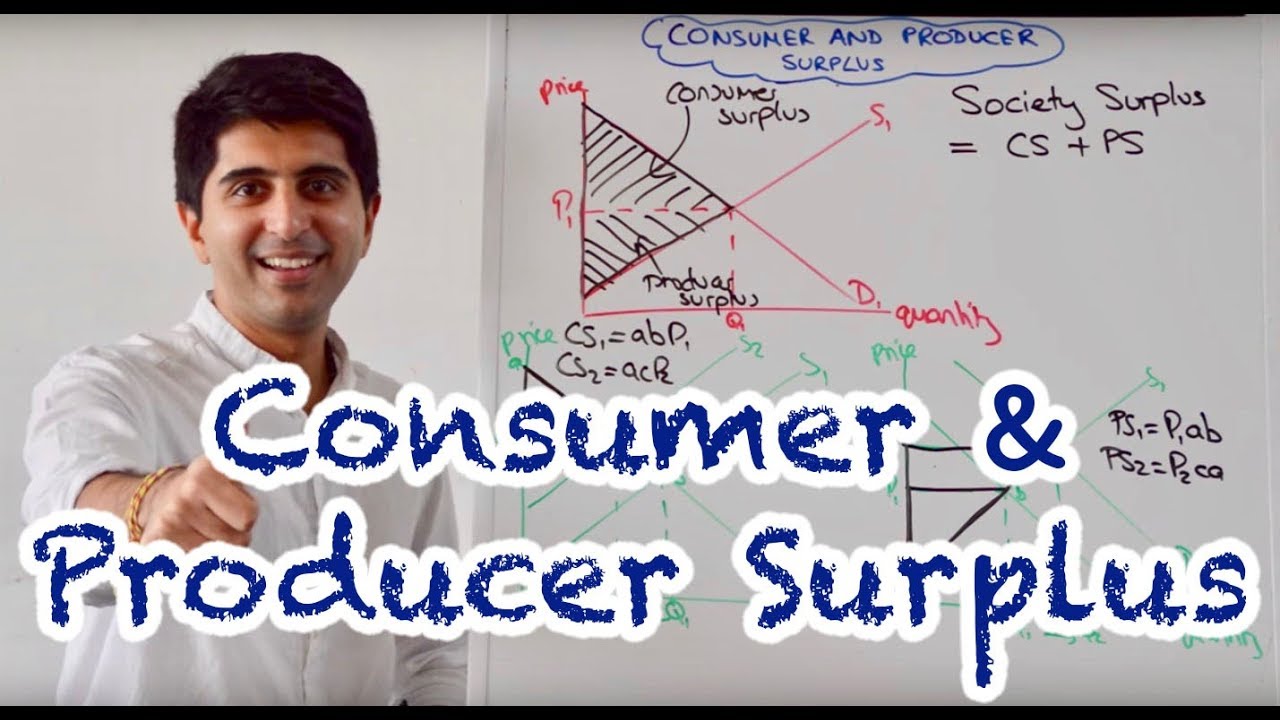
Y1 8) Consumer and Producer Surplus

Aplikasi Integral • Part 7: Contoh Soal Surplus Konsumen dan Surplus Produsen (1)

Aplikasi Integral • Part 8: Contoh Soal Surplus Konsumen dan Surplus Produsen (2)
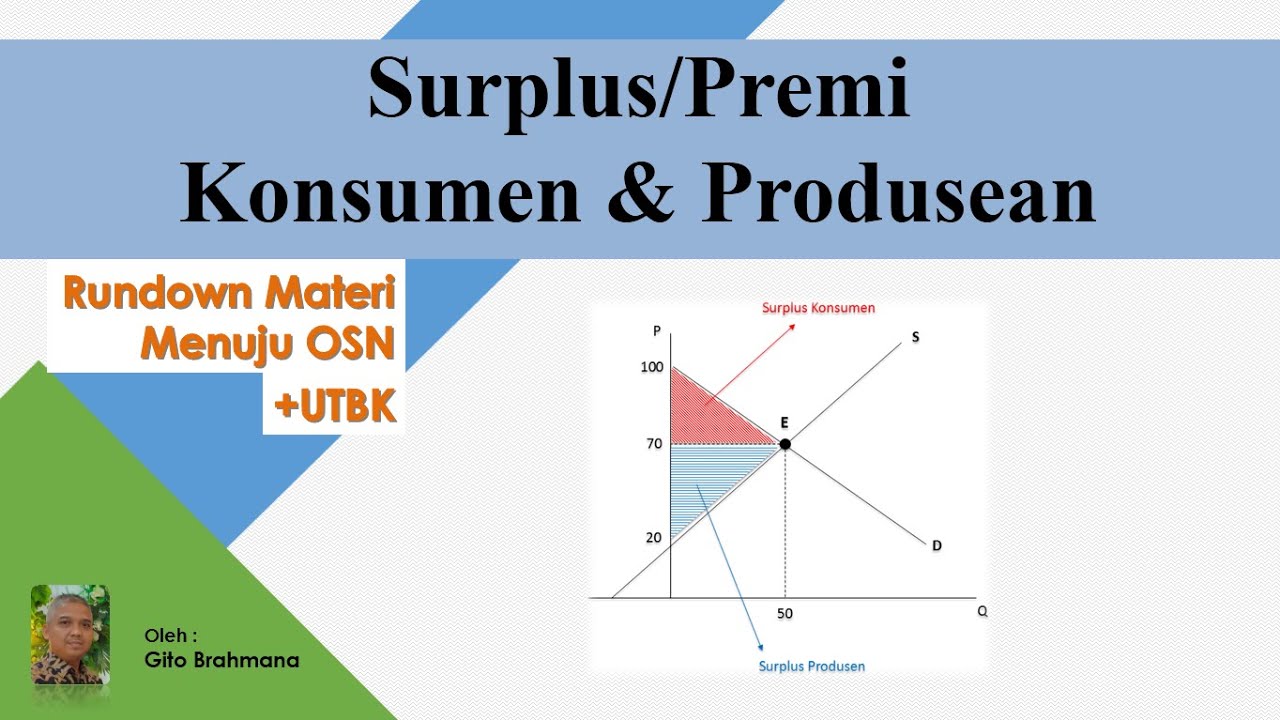
Surplus / Premi Konsumen Produsen | Rundown Materi Menuju OSN & UTBK
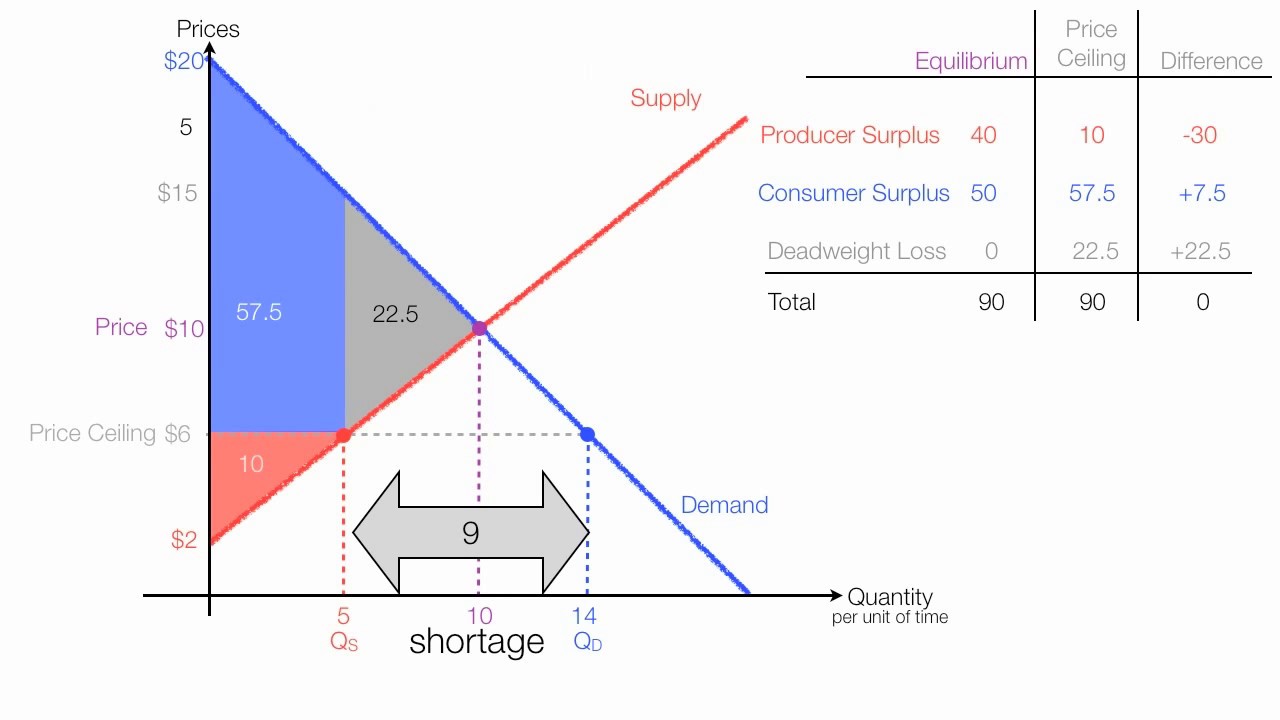
Animation on How to Price Ceilings with Calculations
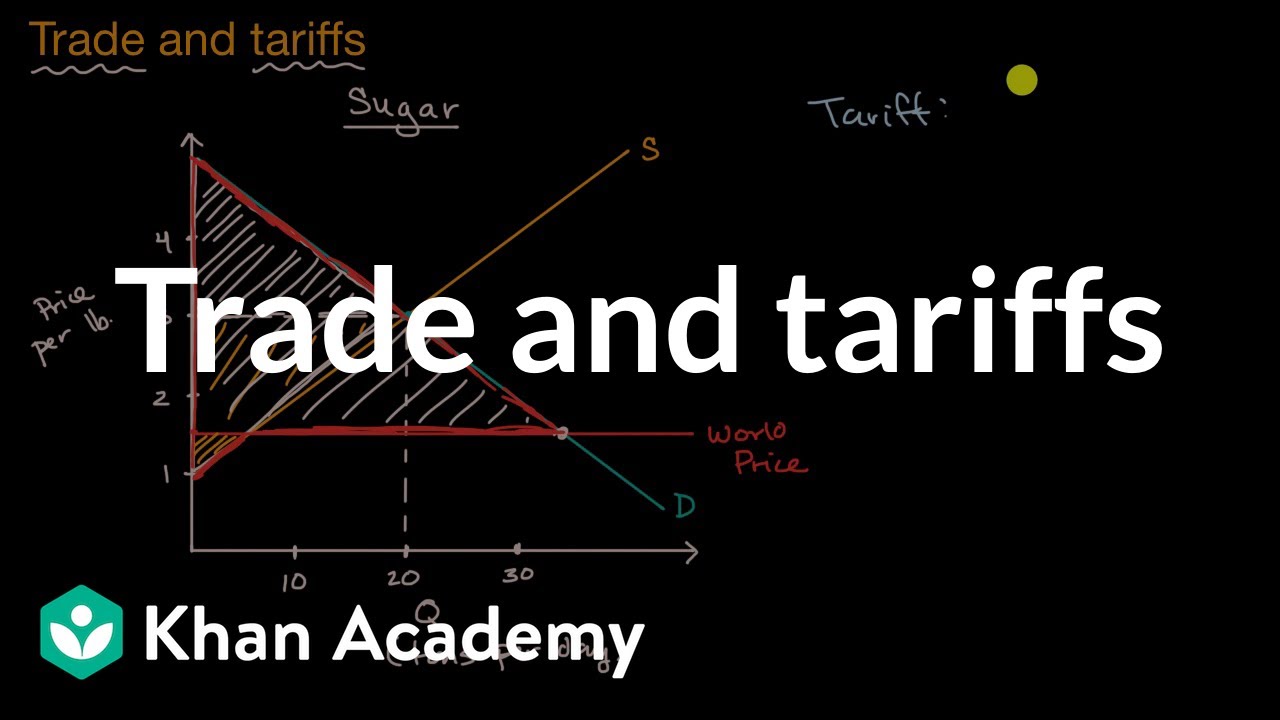
Trade and tariffs | APⓇ Microeconomics | Khan Academy
5.0 / 5 (0 votes)

