Rússia Czarista - 9º ano, Ensino Fundamental (História)
Summary
TLDRThe video delves into the history of Tsarist Russia, exploring its vast territory, which spanned parts of Europe and Asia, and its monarchical system under the Tsars. The Russian Empire, governed by the Romanov dynasty, was a society divided by class, with the Tsar and the nobility at the top, while the majority lived in poverty. The script highlights significant historical events like peasant rebellions, industrialization, and the oppressive conditions faced by workers, which led to the rise of socialist ideas. The era's complexities are revealed, providing a deeper understanding of Russia's socio-political struggles before the revolution.
Takeaways
- 😀 The Russian Empire was vast, covering 22.4 million square kilometers and home to over 150 million people by 1914.
- 😀 The Russian Empire was ruled by a Tsar (Czar), an absolute monarch who had unchecked power over the state.
- 😀 The Tsarist rule was part of the Romanov dynasty, which governed Russia from 1613 until 1917.
- 😀 The social hierarchy in Imperial Russia was rigid, with the Tsar and royal family at the top, followed by the nobility, and the Orthodox Church clergy.
- 😀 The majority of the population, the peasants (or 'mujiques'), lived in poverty, paying high taxes and suffering from illiteracy, disease, and frequent famines.
- 😀 Peasants often resorted to rebellion as a response to poverty and oppression, with notable uprisings such as the Pugachev Rebellion (1773-1775).
- 😀 Many peasants migrated from rural areas to urban centers in search of work, contributing to rapid urbanization.
- 😀 By 1914, the urban population of Russia had tripled from 6 million to 18.3 million.
- 😀 Industrialization in Russia began during the reign of Tsar Nicholas II, facilitated by financial support from countries like France, Germany, and Belgium.
- 😀 Key elements of industrialization included cheap labor from peasants, oil exploration, steel production, and the construction of railroads like the Trans-Siberian Railway.
- 😀 Despite industrial growth, factory workers faced harsh conditions: low wages, long hours (up to 14 hours per day), and high risk of accidents, which led to the spread of socialist ideas among the working class.
Q & A
What was the territorial size of the Russian Empire in 1914?
-In 1914, the Russian Empire spanned 22.4 million square kilometers, covering parts of Europe and Asia.
Who governed the Russian Empire, and what was their title?
-The Russian Empire was governed by a Tsar (also called a Czar), who was an emperor with absolute power.
What kind of government system existed in the Russian Empire?
-The Russian Empire had an absolutist monarchy, where the Tsar held complete power, making decisions without any restrictions.
How long did the Romanov dynasty rule the Russian Empire?
-The Romanov dynasty ruled the Russian Empire from 1613 to 1917.
What social structure existed in the Russian Empire?
-At the top of the social hierarchy were the Tsar and the royal family, followed by the nobility (boyars), and the Orthodox Church clergy. The majority of the population were peasants who lived in poverty.
What were muzhiks, and what was their role in Russian society?
-Muzhiks were peasants in the Russian Empire who worked for landowners, paid high taxes, and lived in poverty. They were the most affected by illiteracy, disease, and famine.
What was the largest peasant rebellion in Russian history?
-The largest peasant rebellion in Russian history was the Pugachev Rebellion, which took place from 1773 to 1775. It was only defeated after much struggle by the Tsarist army.
What drove many peasants to migrate to cities in the Russian Empire?
-Many peasants migrated to cities in search of factory work, as a response to the oppressive conditions in rural areas, including poverty and the lack of opportunities.
How did industrialization affect Russia in the early 20th century?
-Industrialization in Russia began during the reign of Tsar Nicholas II, supported by foreign investment from countries like France, Germany, and Belgium. It led to a rapid growth in the urban population and increased exploitation of resources like oil and steel production.
What were the working conditions like in Russian factories during industrialization?
-Workers in Russian factories faced low wages, long working hours (up to 14 hours per day), and high risks of accidents, contributing to the spread of socialist ideas among the workers and intellectuals.
Outlines

هذا القسم متوفر فقط للمشتركين. يرجى الترقية للوصول إلى هذه الميزة.
قم بالترقية الآنMindmap

هذا القسم متوفر فقط للمشتركين. يرجى الترقية للوصول إلى هذه الميزة.
قم بالترقية الآنKeywords

هذا القسم متوفر فقط للمشتركين. يرجى الترقية للوصول إلى هذه الميزة.
قم بالترقية الآنHighlights

هذا القسم متوفر فقط للمشتركين. يرجى الترقية للوصول إلى هذه الميزة.
قم بالترقية الآنTranscripts

هذا القسم متوفر فقط للمشتركين. يرجى الترقية للوصول إلى هذه الميزة.
قم بالترقية الآنتصفح المزيد من مقاطع الفيديو ذات الصلة

AP World History: Topic 2.2 - The Mongols

Why Did The Ottoman Empire Fall?

PAI kelas 9 Bab 5 Sejarah Daulah Usmaniyah

Actual Reason behind Eastern European Alcoholism

🇲🇽El Primer IMPERIO MEXICANO 1821-1823-Historia//Agustín de Iturbide y el Imperio Mexicano.
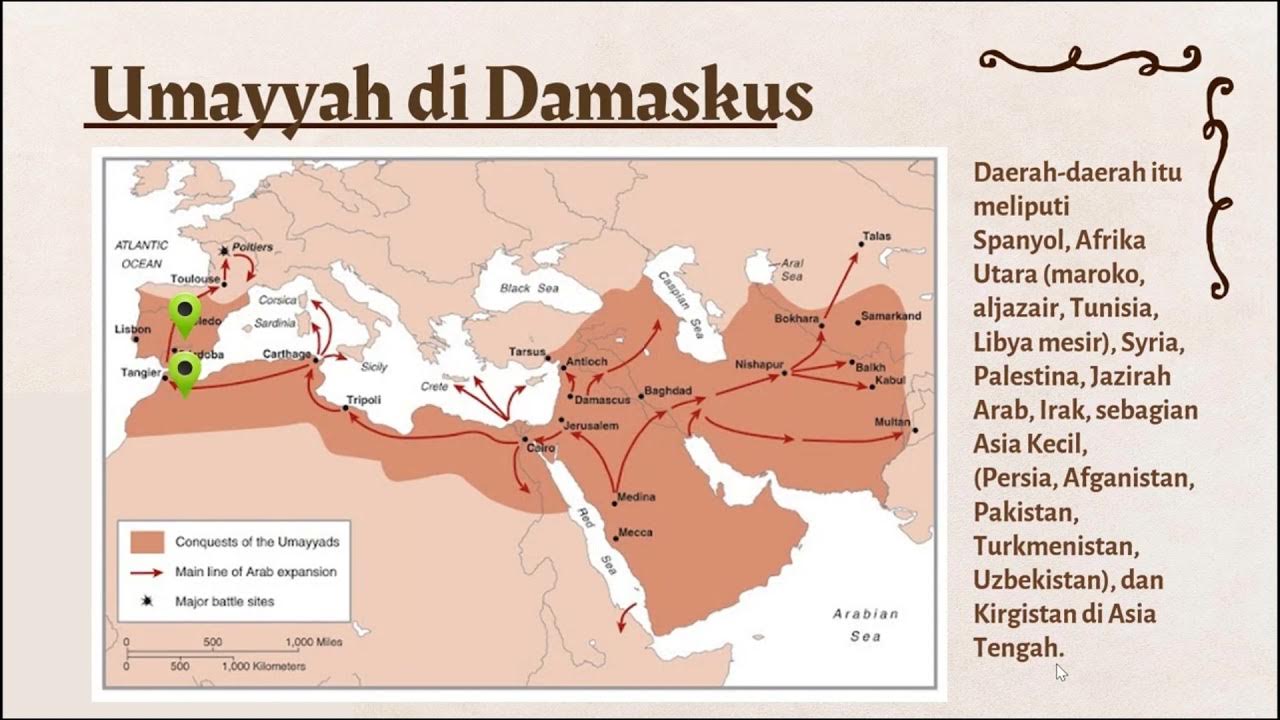
Perkembangan Islam pada Masa Bani Umayyah (Damaskus)
5.0 / 5 (0 votes)

